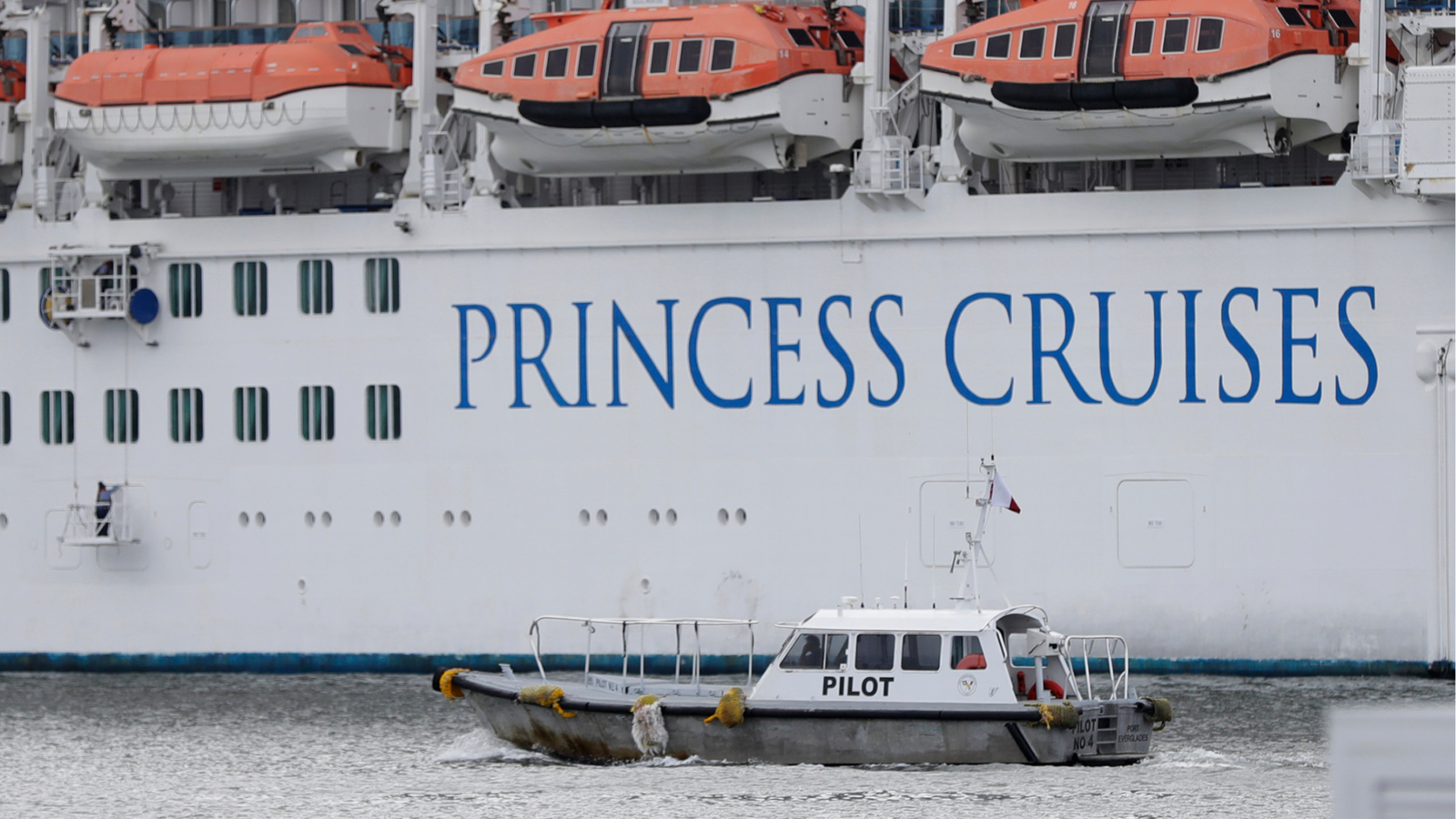
At least 115 people — 102 passengers and 13 crew — were reported sick in a norovirus outbreak aboard the Caribbean Princess during its April 28 to May 11 voyage. The CDC said the ship increased cleaning and isolation procedures, while Princess Cruises said it disinfected the vessel and will conduct a comprehensive cleaning before the next sailing. The incident is negative for cruise travel sentiment, but it appears contained and is unlikely to have broad market impact.
This is a reputational and near-term utilization issue for the cruise sector, but the market impact should be asymmetric and mostly second-order. A single outbreak rarely changes industry-wide booking demand unless it compounds across multiple sailings; the bigger risk is operational friction: incremental cleaning cost, itinerary disruption, and a modest hit to onboard spend from higher isolation and lower guest satisfaction. The economic damage is therefore more concentrated in the operator than in the broader leisure complex, and it is typically measured in weeks, not quarters.
The more important second-order effect is pricing power. If consumers perceive elevated health risk, the first reaction is usually not cancellation but trading down to shorter, more flexible, or land-based vacations. That shifts some demand toward airlines, hotels, and drive-to leisure, while pressure on cruise lines shows up first in booking windows and promotional intensity rather than immediate occupancy. The fourth gastrointestinal incident this year suggests the industry’s hygiene narrative is becoming a recurring headline risk, which can cap valuation multiples even if the underlying outbreaks remain operationally contained.
Contrarian take: the move may be overdone if investors extrapolate one ship-level event into a structural demand problem. Norovirus is endemic to enclosed environments, and repeated incidents do not necessarily imply worsening consumer behavior; they may simply increase short-term churn in media coverage. The real catalyst to watch is whether management commentary broadens this from a one-off sanitation issue into a disclosure about higher cancellation rates or lower net yields in the next 30-60 days. If that doesn’t happen, the trade should fade quickly.
AI-powered research, real-time alerts, and portfolio analytics for institutional investors.
Request DemoOverall Sentiment
mildly negative
Sentiment Score
-0.25
