
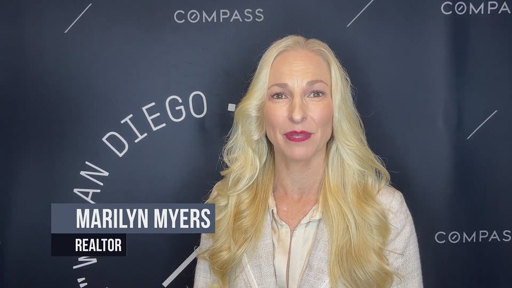
The article highlights a shift in Rancho Santa Fe and San Diego coastal luxury home demand toward “balance, sustainability, and well-being,” emphasizing serenity over excess and features like solar panels, smart climate systems, and advanced water management. It also points to increased buyer interest in wellness-oriented spaces (gyms, meditation areas, spa bathrooms, saltwater pools) supported by smart air purification and circadian lighting. Overall, it reads as descriptive lifestyle/real-estate trend coverage with no clear pricing or transaction impact.
This is more a branding signal than an earnings signal for COMP. Luxury lifestyle commentary can help agents in affluent coastal ZIPs with listing acquisition and client positioning, but brokerage P&L is still driven by transaction counts, price mix, and mortgage affordability; design preferences only matter if they materially change market share or days-on-market.
The second-order winners, if any, are not brokers but vendors tied to premium remodeling and smart-home spend: solar, HVAC controls, water management, and high-end finishes. Even there, the article is describing taste, not measurable capex, so I would not assume incremental demand until we see hard evidence in permits, renovation activity, or vendor commentary. For Compass specifically, any benefit would likely show up first in recruiting and luxury listing wins, not in near-term revenue or margin.
Contrarian take: the market often overestimates how much ESG/wellness language changes housing demand versus the two variables that still dominate luxury real estate—equity-market wealth and rates. If risk assets wobble or mortgage rates stay elevated, buyers pause regardless of how "timeless" the design is. The article’s thesis is durable over years, but it is not a catalyst over days or even most of the next quarter.
AI-powered research, real-time alerts, and portfolio analytics for institutional investors.
Overall Sentiment
neutral
Sentiment Score
0.10
Ticker Sentiment
