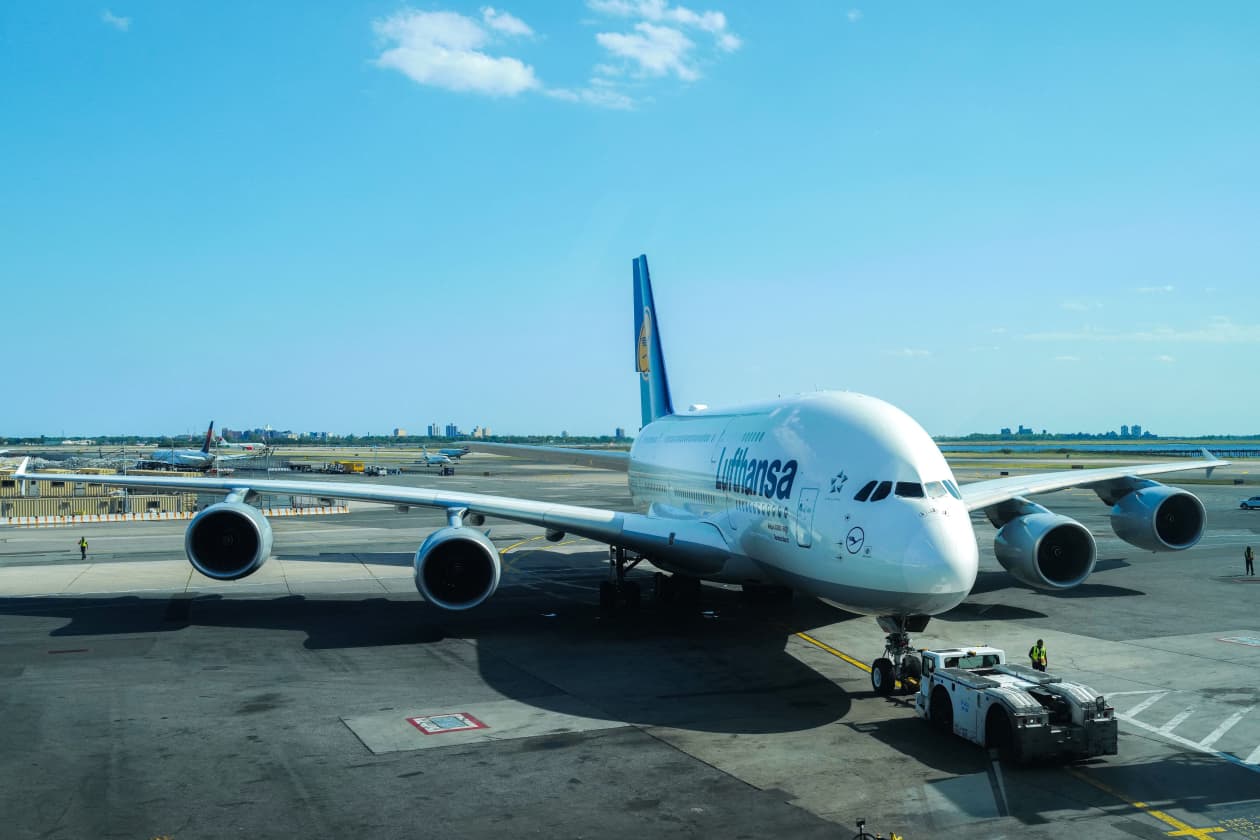
Europe may have only about six weeks of jet fuel left, according to IEA Executive Director Fatih Birol, as the conflict in Iran and the effective closure of the Strait of Hormuz disrupt supplies. Lufthansa and KLM have already cut flights, and additional cancellations could follow if the shortage persists. The headline points to a potentially market-wide supply shock for aviation and broader European energy logistics.
This is not just a fuel-supply story; it is a capacity shock to European aviation pricing. The first-order hit is to short-haul schedules, but the second-order effect is that carriers will protect premium long-haul and slot-constrained routes first, pushing leisure and lower-yield regional flying into the cut list. That typically lifts average fares on surviving capacity, but the near-term revenue uplift is unlikely to offset the margin damage because demand rebooking, compensation, and operational disruption hit immediately while fare resets lag by weeks.
The more interesting read-through is to airports, handlers, and connected sectors: any airline with a high share of Europe-intra flying and thin fuel hedging is exposed to abrupt schedule rationalization, while larger network carriers with stronger balance sheets can use the crisis to steal slots and corporate share from weaker competitors. Expect pressure to cascade into express cargo, belly capacity, and maintenance planning as aircraft rotations get disrupted; the hidden risk is not just fewer flights, but lower network reliability, which can impair bookings even after supply normalizes.
The key catalyst window is days to six weeks, not months. If the Strait remains constrained, carriers will likely prioritize fuel conservation via speed reductions, payload limits, and route re-optimization before outright mass cancellations, but those fixes only buy time. A reversal would require a credible diplomatic de-escalation or a material release from strategic inventories and alternative supply routes; absent that, the market should assume recurring airline guidance cuts and a higher probability of earnings downgrades into the next quarter.
Consensus may be underestimating how quickly this becomes an equity-selection event rather than a broad macro shock. The winners are likely upstream energy and fuel logistics operators with spare supply or storage optionality, while the losers are high-leverage, Europe-exposed airlines and travel intermediaries whose pricing power is weaker than assumed. The move is probably still underpriced because investors tend to focus on headline oil sensitivity, but jet fuel scarcity specifically hits airline operations before it shows up in broader inflation data.
AI-powered research, real-time alerts, and portfolio analytics for institutional investors.
Request DemoOverall Sentiment
strongly negative
Sentiment Score
-0.72
