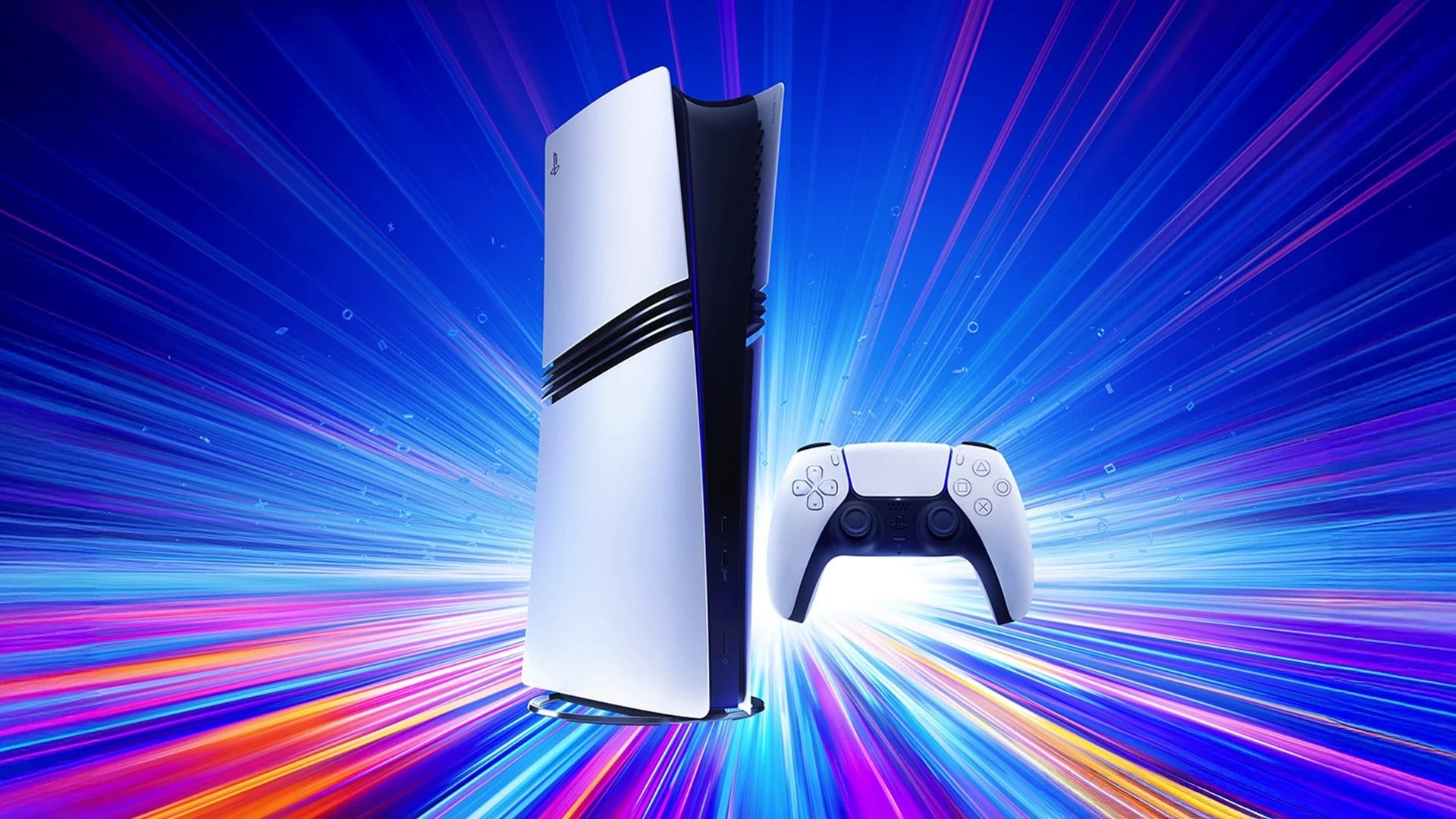
Sony will roll out an updated PSSR 2 AI upscaler toggle for existing PS5 titles in March, after Resident Evil Requiem demonstrated markedly improved results comparable to PC DLSS according to Digital Foundry. The improvement has driven an uptick in demand—PS5 Pro units sold out on PS Direct in the US—while rumours that PS6 could be delayed from late-2027 to 2028 due to RAM shortages may further incentivize upgrades. Monitor adoption across upcoming titles (e.g., Crimson Desert) and broader developer uptake as the key signals for sustained hardware and software momentum.
Console-embedded ML upscaling reaching parity with PC alternatives would shift economics for first-party publishers: fewer cycles spent on base-resolution engineering and more on VFX/ray-tracing, effectively raising studio throughput per console SKU. That can increase software ASPs and recurring monetization (season passes, in-game stores) by improving perceived quality of live-service titles without proportional increases in dev spend, compressing time-to-revenue for new releases over the next 6–18 months.
At the hardware layer, extended mid-cycle life for current-gen boxes (if component shortages push next-gen out) creates a multi-year window where attach-rate and premium-hardware ASPs matter more than unit volumes. That benefits firms that capture platform economics (hardware + services) but creates margin pressure on OEM hardware if higher-spec SKUs carry materially higher BOMs and thin margins; warranty and warranty-return rates can also rise if hardware runs hotter under upgraded ML loads.
For GPU/IP vendors, proprietary on-device models reduce a straightforward revenue path from console developers buying third-party inference stacks or cloud training cycles. That’s a subtle market-share transfer: platform owners internalize value and optionality, while external ML-tooling vendors need new go-to-market routes (middleware licensing, dev tools) to capture the uplift. Watch adoption curves across marquee releases — the real inflection is developers standardizing on platform tooling, which will become apparent across 2–4 major title cycles (12–24 months).
AI-powered research, real-time alerts, and portfolio analytics for institutional investors.
Overall Sentiment
mildly positive
Sentiment Score
0.35
Ticker Sentiment
