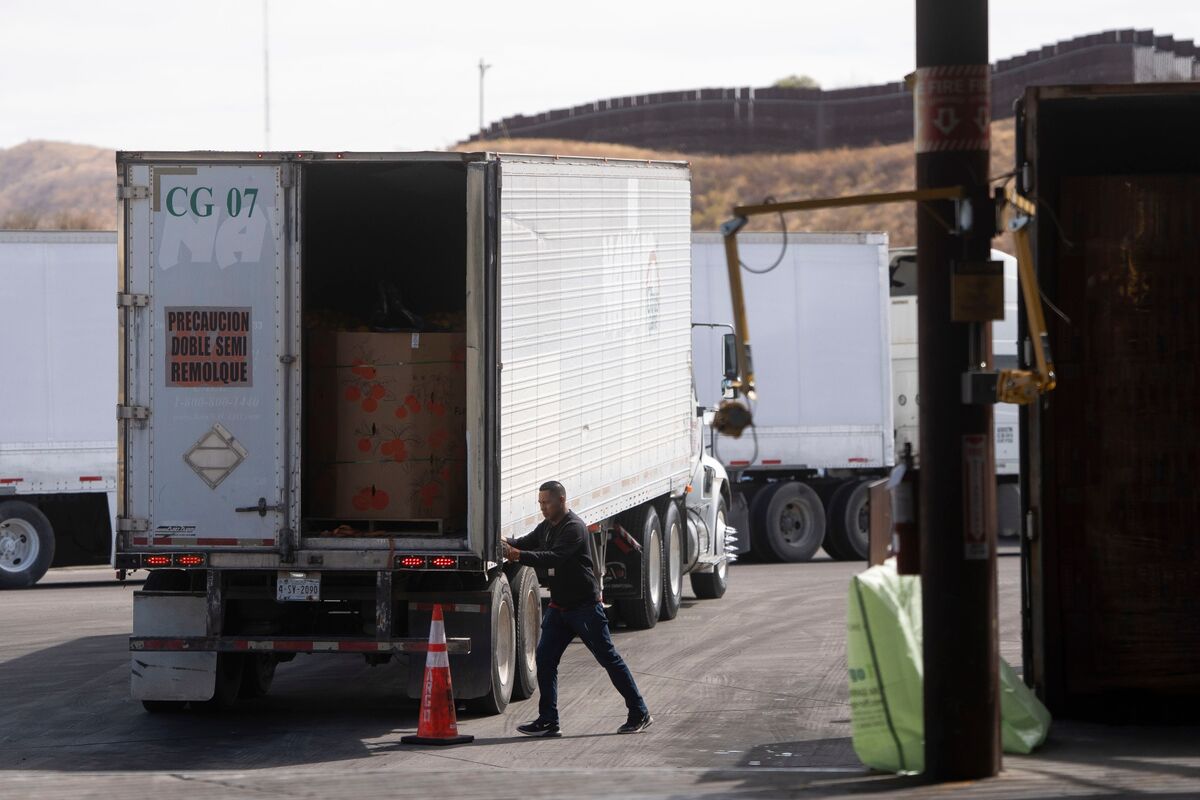
Despite President Trump's stated aim to reduce bureaucracy, his tariff policies have significantly increased red tape for U.S. businesses, particularly smaller firms. Companies are now facing unprecedented and complex requirements to meticulously trace the origin and components of their goods, leading to substantial administrative burdens and increased operational costs.
The current U.S. tariff regime, contrary to its stated goal of reducing administrative burdens, has introduced significant operational complexities and costs for American companies. The primary issue stems from an intricate and frequently changing set of trade rules that mandate unprecedented levels of supply chain documentation. Firms are now required to conduct exhaustive tracing of component origins and composition for their products, creating a substantial increase in administrative workload. The article highlights that smaller firms are disproportionately affected, as they often lack the resources to manage this costly red tape effectively. This situation introduces a direct headwind to corporate profitability by increasing compliance costs and operational friction, a sentiment reflected in the strongly negative signal associated with the policy's impact.
AI-powered research, real-time alerts, and portfolio analytics for institutional investors.
Request DemoOverall Sentiment
strongly negative
Sentiment Score
-0.65
