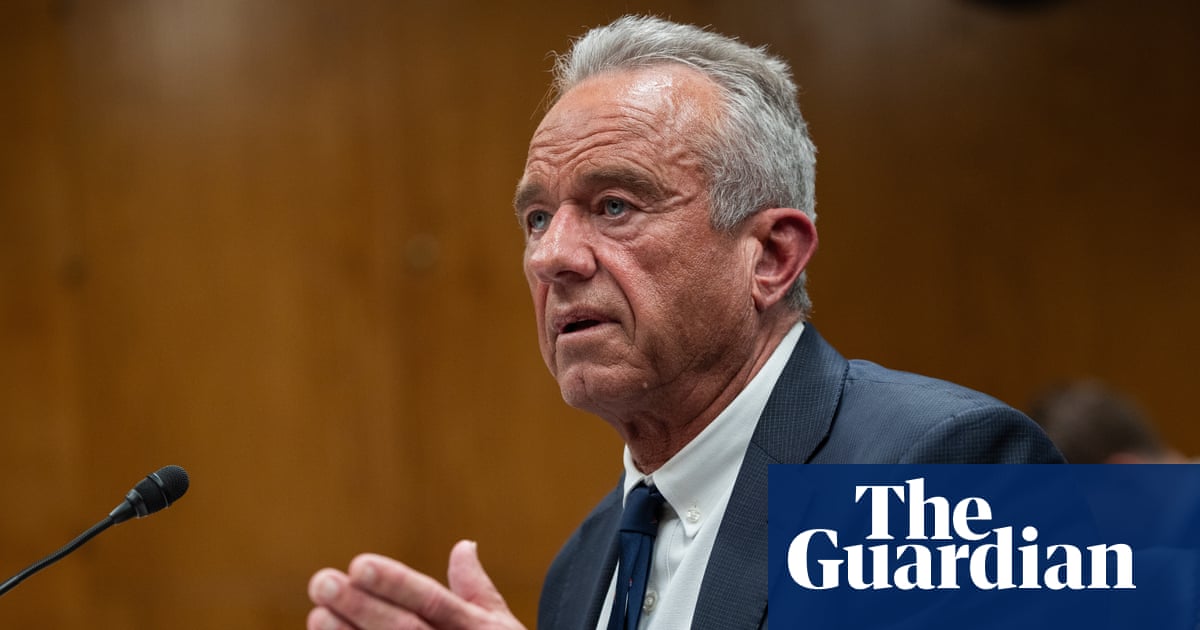
Senators sharply questioned HHS Secretary Robert F. Kennedy Jr. over vaccine misinformation, the measles outbreak, and potential changes to vaccine policy, as the U.S. reported 2,288 measles cases last year and 1,748 so far this year. He said the administration is not reducing Medicaid funding, cited HHS budget plans that could cut the department by more than $15B in 2027, and acknowledged possible issues with AI use in Medicare claims. The hearing also highlighted ongoing CDC disruption, with about 80% of senior leadership roles unfilled.
The near-term equity impact is less about HHS itself and more about the probability distribution on regulated healthcare cash flows. A more aggressive public stance on vaccines reduces tail risk for pediatric hospitals, vaccine manufacturers, and diagnostics beneficiaries, but the credibility gap matters: if messaging remains inconsistent, utilization may not normalize quickly enough to offset political noise. The biggest loser is the public-health operating layer inside HHS itself, where leadership churn and data/back-office dysfunction raise execution risk for everything from reimbursement audits to outbreak response.
The second-order trade is in managed care and providers with Medicaid exposure. If HHS budgets are squeezed while administrative capacity remains impaired, states will face slower approvals, more claim friction, and a higher probability of payment delays or policy drift over the next 6-18 months. That tends to favor large-cap insurers with diversified risk pools and strong state-level contracting, while smaller regional operators and Medicaid-heavy services names face a more asymmetric downside from operational bottlenecks than from headline budget changes.
AI in claims processing is the clearest catalyst, but it cuts both ways. In the next 1-2 quarters, the market is likely underpricing litigation/regulatory risk around automated denials, especially if there is evidence of higher appeal rates or CMS scrutiny; that is a headwind for vendors monetizing AI cost-savings. Over 12-24 months, however, agencies and payers will still push AI for fraud detection and admin cost reduction, so the durable winners are workflow/software platforms with auditability and human-in-the-loop controls rather than black-box denial engines.
Contrarian view: the market may be overestimating the duration of the political noise and underestimating how quickly rhetoric can reverse if measles or flu metrics worsen again. The sharper risk is not the current messaging pivot, but the possibility that leadership instability at CDC and HHS creates a lagged operational shock in data quality and outbreak response, which would show up first in public health equities, then in payer/provider utilization assumptions several months later.
AI-powered research, real-time alerts, and portfolio analytics for institutional investors.
Request TrialOverall Sentiment
mildly negative
Sentiment Score
-0.25
Ticker Sentiment
