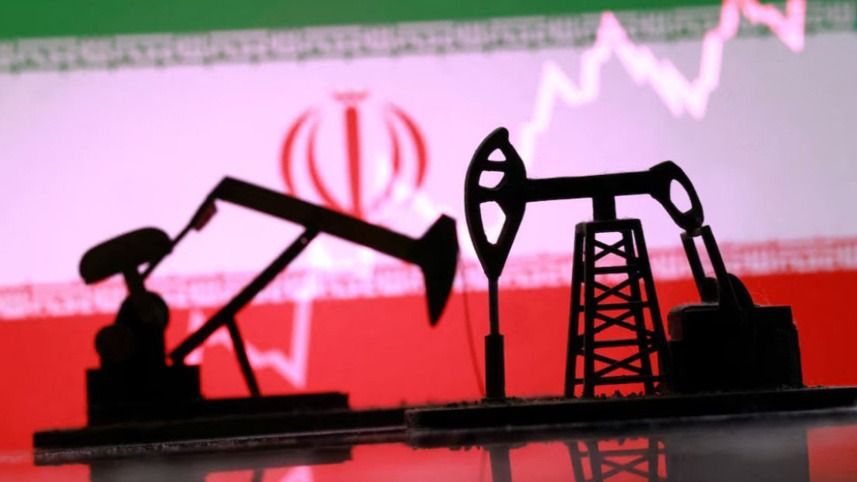
Iran warned that escalating US and Israeli strikes on its energy infrastructure could push crude oil above $200 per barrel; Brent crude surged to around $119/bbl amid fears of supply disruptions. Iranian statements also signaled possible expansion of target selection to US-linked facilities, increasing the risk of regional retaliation against energy infrastructure and heightened volatility in oil markets.
Energy-price convexity here is concentrated: small physical disruptions in chokepoints and targeted refinery/tank infrastructure quickly raise front-month Brent volatility and insurance premia, which flow through to freight rates, refinery feedstock costs and short-dated cracks. US onshore producers with fast-cycle response and low decline curves (e.g., horizontal shale) capture margin upside within 3–9 months, while integrated majors absorb cash but face larger capex/PR volatility and slower supply response.
Tail risk is asymmetric and front-loaded — days-to-weeks for a volatility shock driven by strikes or tanker rerouting, months if infrastructure damage requires asset repair or if sanctions reduce spare capacity. Catalysts that make a spike persistent include coordinated targeting of export terminals, secondary sanctions on alternative suppliers, or prolonged insurance blacklists for Gulf shipping; diplomatic détente, SPR releases, or rerouting through longer voyages compress the premium within 30–90 days.
Consensus pricing currently appears to bake in a high-probability sustained-disruption scenario; this is a two-way trade. Technical and flow dynamics (ETF holders, contango in crude ETFs, and dealer gamma) will amplify near-term moves; once headline risk abates expect violent mean reversion as spare capacity and SPR options are deployed, creating ripe windows for selling short-dated volatility or harvesting premium on mean-reversion plays.
AI-powered research, real-time alerts, and portfolio analytics for institutional investors.
Overall Sentiment
strongly negative
Sentiment Score
-0.70
