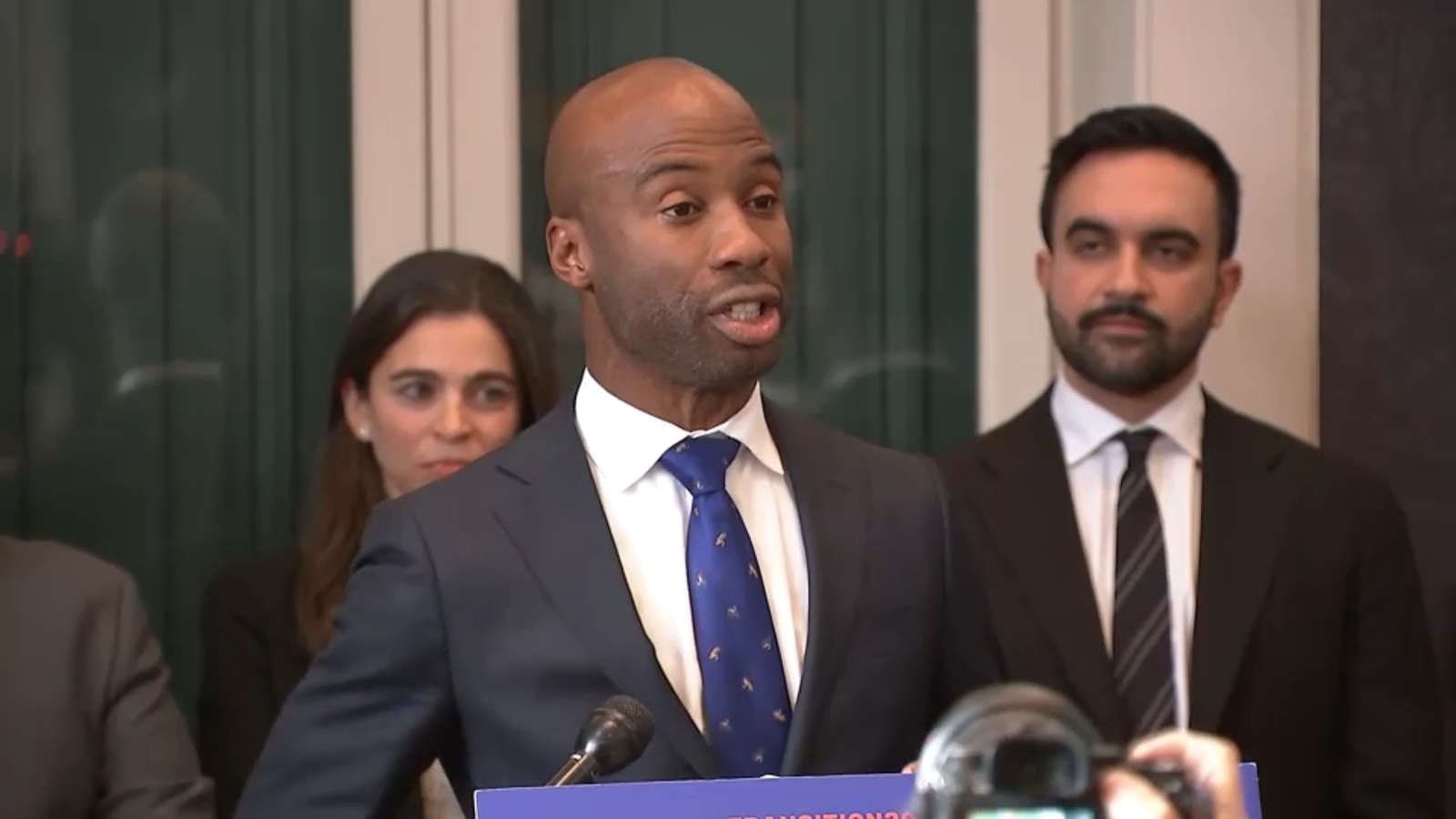
Mayor-elect Zohran Mamdani has appointed Kamar Samuels, a 48-year-old longtime NYC educator and District 3 superintendent, as the next schools chancellor, signaling continuity on mayoral control and priorities to confront segregation, bolster literacy, recruit thousands of teachers, and address student homelessness while retaining the kindergarten Gifted & Talented program for now. Mamdani also named Steve Banks as corporation counsel, Ramzi Kassem to a senior city attorney role, and Helen Arteaga as deputy mayor for Health and Human Services; several transition and personnel decisions remain pending, including the health commissioner slot.
Market structure: Mamdani’s appointments signal higher near-term NYC operating spending (he and new chancellor plan to hire “thousands” of teachers). If 3,000–5,000 hires materialize at ~$85k avg salary plus 35% benefits, that implies ~$0.35bn–0.6bn/year incremental recurring cost that must be absorbed via reallocated budget or additional issuance, benefitting local contractors, affordable‑housing builders and education/staffing vendors while pressuring city operating margins and NYC‑specific muni credit.
Risk assessment: Tail risks include an extended UFT labor action, adverse litigation or a rating agency negative watch that could widen NYC muni spreads by 25–100bp in 3–12 months; immediate impact is muted, but medium term (next 3–12 months) is material for credit-sensitive assets. Hidden dependencies: state aid, federal relief and pension cashflows; catalysts to watch are the NYC budget release and UFT bargaining over the next 30–90 days.
Trade implications: Favor selective long exposure to construction/materials and staffing plays that capture school and shelter capex (12–24 month horizon) while de‑risking NYC‑specific muni and office assets. Use options to hedge event risk (3–6 month horizon) and size positions small (1–3% portfolio) until budget/union outcomes resolve.
Contrarian angles: The market may overstate fiscal shock because Mamdani retained experienced de Blasio-era managers, lowering political execution risk; if no strike and budget remains balanced, rents and muni spreads could compress, making short NYC muni/office trades mean‑reverting. Monitor three data points (budget, UFT outcome, rating agency commentary) before increasing conviction.
AI-powered research, real-time alerts, and portfolio analytics for institutional investors.
Request DemoOverall Sentiment
mildly positive
Sentiment Score
0.10
