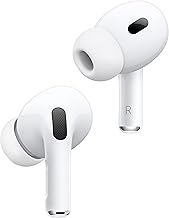
Apple expanded its AirPods hearing health suite to the Philippines in March 2026, bringing the rollout to more than 100 countries and regions. The suite includes a Hearing Test, Hearing Aid mode, and Loud Sound Reduction, but access remains limited to AirPods Pro 2/3, the latest firmware, compatible iPhone/iPad or Mac software, and local regulatory approval. The article is largely explanatory and product-focused, with modestly positive implications for Apple's health wearables ecosystem but limited near-term market impact.
This is less a near-term unit story than a slow-burn services and ecosystem monetization catalyst for AAPL. The real economic value is not the hearing feature itself, but the way it lowers the friction of converting a massive, under-screened population into recurring Apple Health engagement and higher lock-in across iPhone, AirPods, and Watch. That creates a second-order tailwind for accessory attach and replacement cycles: once users rely on AirPods as a health-adjacent device, the perceived cost of staying inside Apple’s hardware stack rises.
The competitive implication is that Apple is quietly occupying a lane that OTC hearing aid makers and low-end audiology channels were hoping to own. If the company can normalize “screening + assistive mode” as a consumer behavior, it can compress the funnel for independent hearing device brands and gradually shift demand toward software-led solutions embedded in premium earbuds. The biggest beneficiary is still Apple, but the next-order winners are likely the Health app ecosystem and any adjacent third-party services that plug into Apple’s data loop.
The main risk is regulatory pacing, not demand. This thesis compounds over years only if more jurisdictions approve the feature set; over the next 1-2 quarters the stock should trade mostly on whether investors start underwriting a broader health-platform narrative rather than a one-off product announcement. A reversal would come from either unfavorable clinical scrutiny, privacy concerns around health data, or evidence that the features remain niche and do not materially increase AirPods replacement rates or Watch engagement.
Contrarian view: the market may be underestimating how small the direct revenue contribution is relative to the headline excitement. This is not an immediate ARPU lift; it is an option on habit formation. If adoption is slower than the AI/health narrative implies, the move in AAPL could fade after initial enthusiasm, but the strategic value of widening the moat around installed base users is still real.
AI-powered research, real-time alerts, and portfolio analytics for institutional investors.
Request DemoOverall Sentiment
mildly positive
Sentiment Score
0.18
Ticker Sentiment
