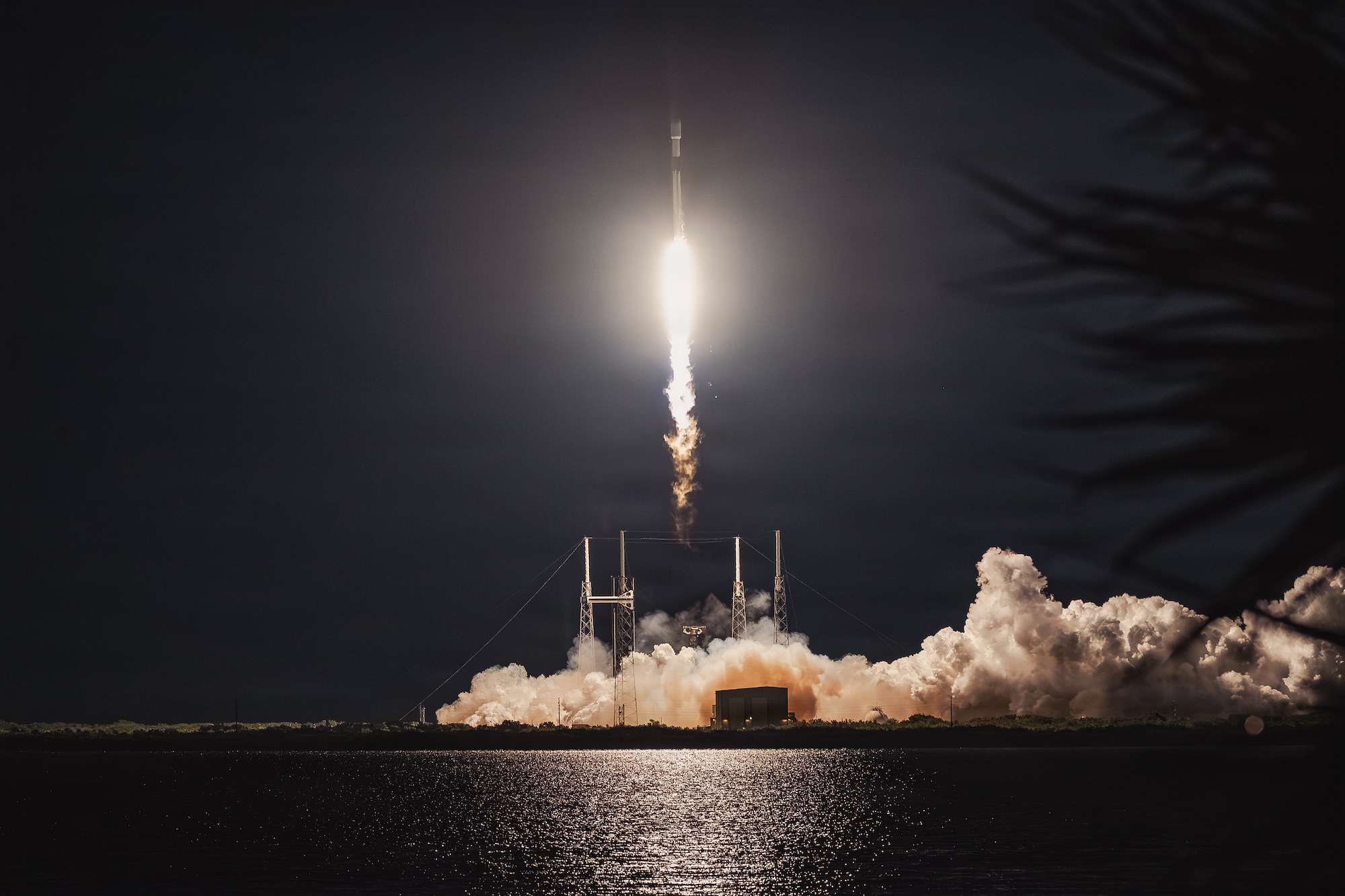
USSF reassigned the GPS NSSL mission GPS III-8 from ULA's Vulcan to a SpaceX Falcon 9, with launch now planned no earlier than late April from SLC-40 to deliver SV-10. ULA's Vulcan will instead launch the USSF-70 mission, pushed to no earlier than summer 2028, while the Vulcan anomaly investigation continues. The change is a risk-mitigation step to preserve GPS delivery timelines and should have limited market impact beyond defense-contracting counterparties.
The operational pivot away from a single legacy provider accelerates the commercialisation of national security launch cadence and compresses the implicit premium governments have been willing to pay for “assured access.” Expect downward pressure on per-launch pricing over the next 12–24 months as reusable, high-cadence vehicles bake fixed-cost dilution into bids, squeezing margins for contractors whose cost bases assume lower flight rates.
Second-order supply-chain impacts will concentrate around engine and upper-stage OEMs and subcontract machine shops that planned steady Vulcan production. Reduced near-term Vulcan flights create 6–18 month volume troughs for BE-4/upper-stage supply lines and could push work longer into the backlogs, forcing renegotiation of supplier contracts or early-stage inventory write-downs for ULA partners and their Tier-1 suppliers.
Political and industrial-policy dynamics are underappreciated: shifting launch volume to a private incumbent materially raises the stakes for congressional oversight, domestic supplier preservation, and IR&D allocation over the next 12–36 months. That dynamic is a double-edged sword — it creates potential for regulatory friction that could limit SpaceX’s share gains or, conversely, funnel additional subsidies/guarantees to legacy primes if they demonstrate a credible path to parity.
The immediate market hinge points are narrow: (1) the outcome of any anomaly investigations and resulting technical fixes (weeks–months), and (2) manifest reshuffling that changes Vulcan utilization (months–years). A successful Vulcan demonstration or a high-profile Falcon anomaly would each quickly invert market perceptions and reorder contract leverage among primes and suppliers.
AI-powered research, real-time alerts, and portfolio analytics for institutional investors.
Request DemoOverall Sentiment
mildly positive
Sentiment Score
0.15
