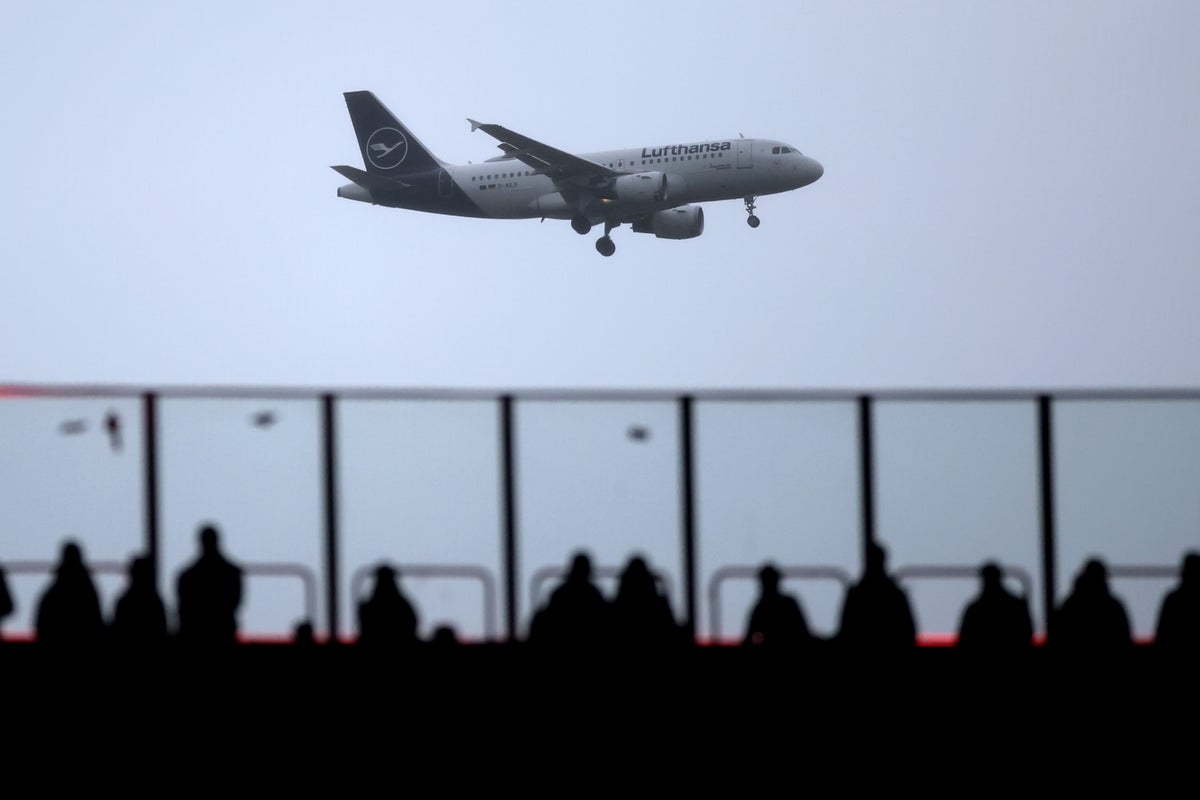
Lufthansa is permanently withdrawing 27 CityLine aircraft this week, with an additional four Airbus A340-600s to be removed at summer-end and five more short-/medium-haul aircraft cut in the 2026/2027 winter schedule. The airline cites war-driven disruption, severe jet fuel shortages, and soaring fuel prices as it reduces capacity to offset rising costs. The article also points to weakening bookings at EasyJet and fuel-cost stress at Nigerian carriers, underscoring broader pressure on the travel sector.
The first-order read is capacity reduction, but the more interesting second-order effect is margin triage across the European airline complex: carriers with older, less fuel-efficient fleets and weaker pricing power will be forced to choose between preserving load factors and preserving yield. This should widen dispersion within the sector, with premium network carriers and lower-cost operators that can re-optimize schedules faster outperforming airlines carrying legacy widebody exposure or high fixed-cost labor structures. The fuel shock also creates a hidden capacity squeeze in long-haul leisure, which can support fares in select transatlantic and Mediterranean routes even as booking volumes soften.
The timing matters. In the next 1-3 months, the market will likely focus on near-term earnings downgrades and capacity cuts, but the bigger risk is a second-round demand response if consumers start trading down to shorter-haul and later-booking behavior more aggressively. That tends to compress advance-booking visibility, increase revenue volatility, and punish airlines with larger exposed seat inventory in peak season. If geopolitical risk eases or jet fuel normalizes, the move can reverse quickly because airline schedules are operationally flexible over a one-to-two quarter horizon, making this more of a margin shock than a structural demand collapse.
The contrarian angle is that parts of the selloff may be overdone if investors extrapolate permanent demand destruction rather than temporary route rationalization. Supply reduction can actually stabilize unit revenues for the strongest carriers, particularly those able to cut marginal flying while protecting slot value and ancillary pricing. The more durable loser is not necessarily airlines broadly, but the weakest marginal capacity providers and any business-models dependent on volume growth rather than yield discipline. Energy prices remain the key variable: a sustained decline in jet fuel would likely snap the current bearish thesis faster than consensus expects.
AI-powered research, real-time alerts, and portfolio analytics for institutional investors.
Request DemoOverall Sentiment
strongly negative
Sentiment Score
-0.62
