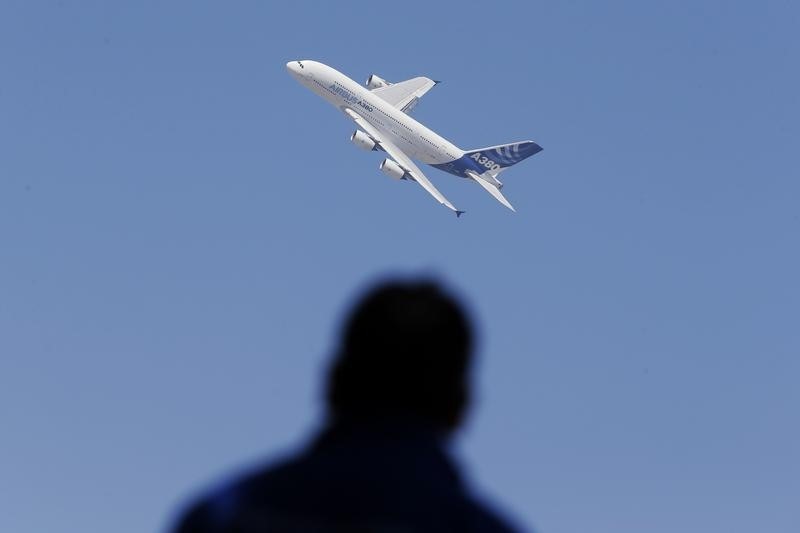
Airbus delivered 61 aircraft in August, bringing its year-to-date total to 434 jets, a 3% decline from the previous year. Despite this slower pace, the planemaker reaffirmed its 2025 target of 820 deliveries, necessitating an unprecedented monthly average of 96.5 aircraft from September through December. This aggressive acceleration is challenged by persistent engine supply shortages from suppliers like CFM and Pratt & Whitney, leading Airbus to produce 'gliders' and placing significant pressure on its Q3 and year-end performance to meet its annual guidance.
Airbus reported August deliveries of 61 aircraft, bringing its year-to-date total to 434 jets, a 3% decline from the same period a year prior. Despite this lag, the company has reaffirmed its full-year 2025 delivery target of 820 aircraft. Achieving this goal presents a significant operational challenge, as it requires an unprecedented average monthly delivery rate of 96.5 aircraft through the end of the year, a pace that exceeds its previous peak monthly averages of 92 in 2018 and 91 in 2019. The primary headwind remains persistent engine shortages from suppliers CFM and Pratt & Whitney, which has forced Airbus to produce engineless aircraft known as "gliders"—with approximately 60 such units in the system at mid-year. While demand remains robust, evidenced by a new 90-jet order from Avolon and 504 net orders for the year, the company's ability to meet its guidance is now heavily dependent on a rapid acceleration of deliveries in the final quarter, placing immense pressure on Q3 and Q4 execution.
AI-powered research, real-time alerts, and portfolio analytics for institutional investors.
Request DemoOverall Sentiment
mixed
Sentiment Score
-0.15
Ticker Sentiment
