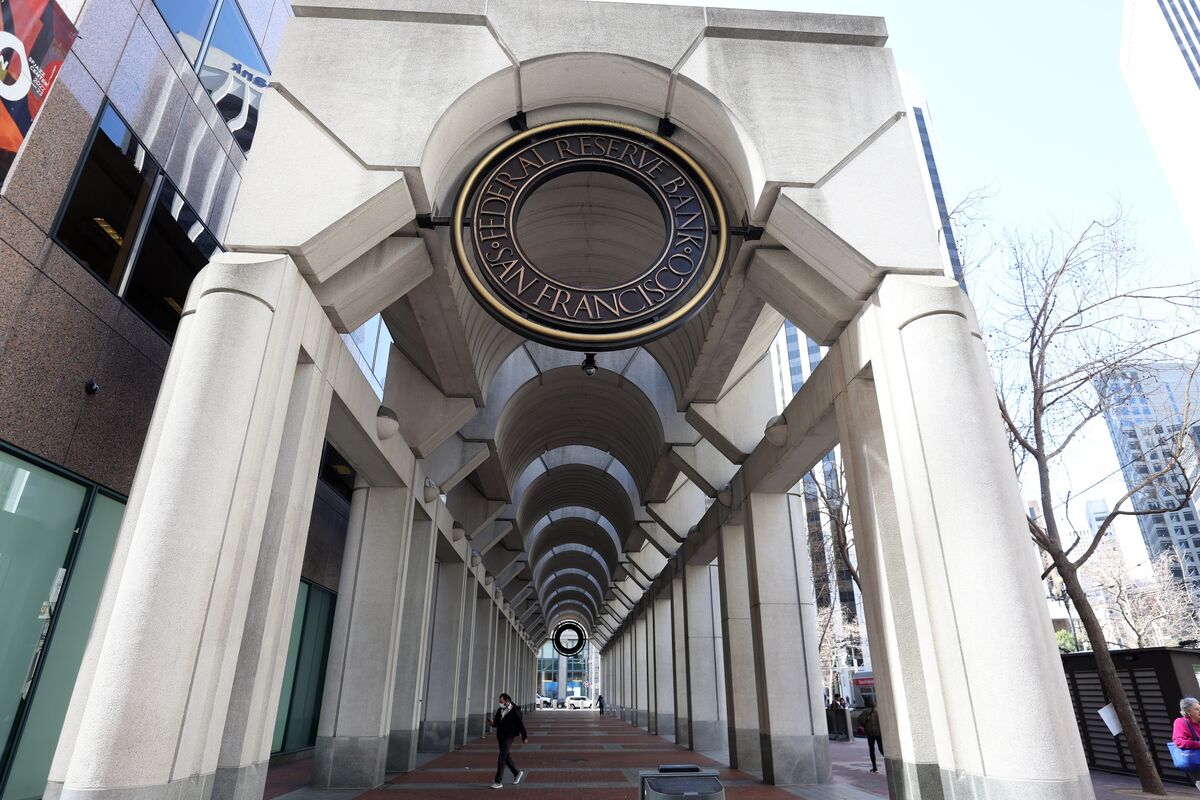
The Federal Reserve Bank of San Francisco has introduced a new 'Labor Market Stress Indicator' to monitor for US recessions. This novel gauge identifies geographical variations in labor market health by tracking the number of states where the unemployment rate rises at least 0.5 percentage points above its previous 12-month low, providing an additional, granular tool for assessing the risk of an economic downturn.
The Federal Reserve Bank of San Francisco has introduced a new recessionary gauge, the 'Labor Market Stress Indicator,' which adds a novel dimension to economic surveillance. This indicator measures the number of U.S. states experiencing an unemployment rate increase of at least 0.5 percentage points above their respective 12-month lows. Its primary significance lies in its granular, state-level approach, which contrasts with broader national metrics. By highlighting geographical variations in labor market deterioration, this tool could provide an earlier warning of a downturn, as economic stress often manifests regionally before becoming a national phenomenon. While the announcement itself carries a neutral sentiment and low immediate market impact, the indicator's future readings will become a key data point for economists and investors assessing the health and resilience of the U.S. economy.
AI-powered research, real-time alerts, and portfolio analytics for institutional investors.
Request DemoOverall Sentiment
neutral
Sentiment Score
0.00
