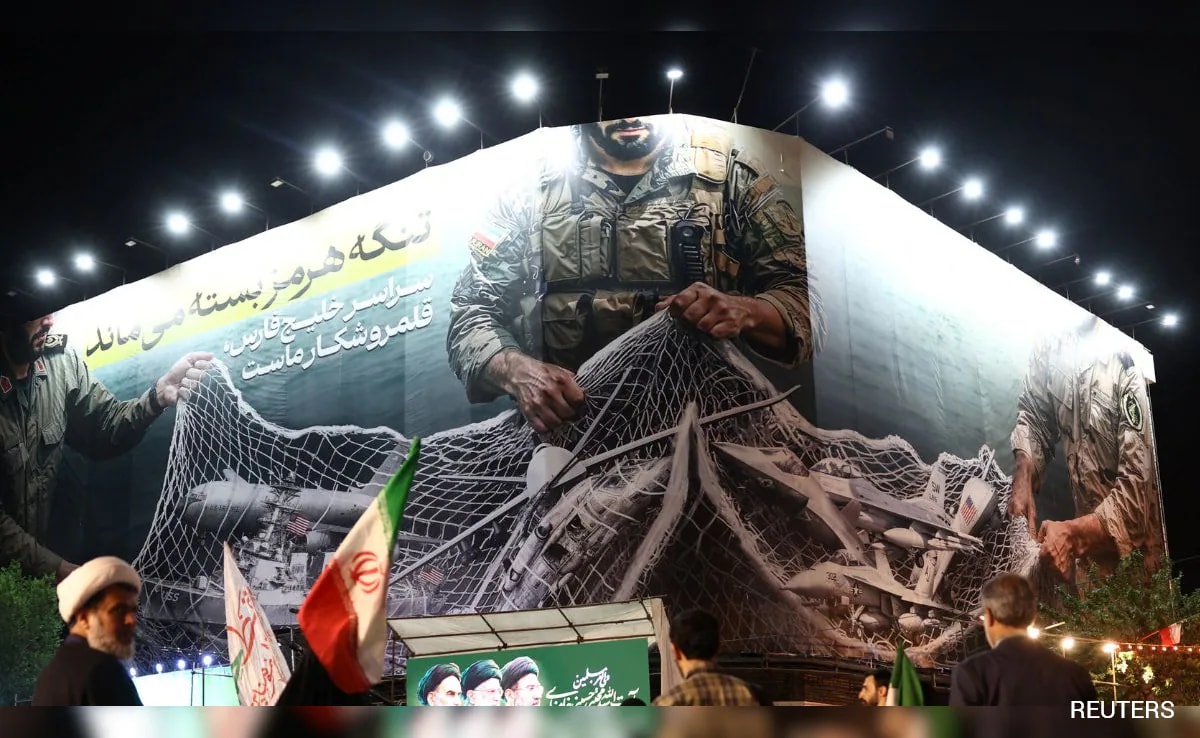
Iran said it will soon unveil a new mechanism to manage vessel traffic through the Strait of Hormuz, with only commercial ships and parties cooperating with Iran allowed to benefit and fees charged for specialized services. The article also highlights renewed Israel-Lebanon airstrikes, stalled US-Iran negotiations, and reports that the US has imposed five conditions on Iran, including limits on uranium enrichment and asset concessions. The Strait of Hormuz update is particularly relevant for global energy and shipping flows, while the broader regional escalation keeps market risk elevated.
The key market implication is not the headline rhetoric, but the institutionalization of friction at Hormuz. Even if flows continue, a gated or fee-based regime raises the probability of “soft disruption” — higher insurance, longer voyage planning, selective compliance, and more uneven bunker/LPG freight economics — which tends to show up first in regional shipping rates and energy basis differentials before it hits outright crude prices. The immediate beneficiaries are any carriers and commodity holders with contractual flexibility; the losers are importers with spot exposure and low inventory buffers, especially in Asia.
The more important second-order effect is that this widens the tail risk premium without requiring an actual closure. Traders often underprice the difference between a one-off missile headline and a persistent administrative choke point: a mechanism that can be toggled, taxed, or enforced selectively is harder to hedge with simple “war = oil up” trades. That setup is bullish for volatility structures in oil, freight, and LNG/LPG shipping over days-to-weeks, but it can be bearish for the broader EM complex if the market starts treating every tanker passage as a policy event.
Contrarianly, the biggest overreaction risk is assuming immediate supply destruction. The presence of a routed system and ongoing commercial passage suggests Iran may want leverage and revenue more than a full interruption, which caps the upside in outright crude absent a kinetic escalation. The cleaner trade is therefore not a blunt long-energy bet, but a relative-value position that benefits from rising transport friction, wider insurance spreads, and a volatility bid while limiting exposure to a rapid de-escalation or US diplomatic backstop.
On the policy side, stalled negotiations and signaling around renewed strikes create a short-duration binary risk window: 1-2 weeks for headline volatility, 1-3 months for a real supply-chain repricing if inspections, fees, or escorts become normalized. If this hardens into a de facto toll regime, the market will likely re-rate the Strait as a recurring cost center rather than a one-time crisis, which matters more for refined products and regional LNG/LPG than for benchmark Brent alone.
AI-powered research, real-time alerts, and portfolio analytics for institutional investors.
Request DemoOverall Sentiment
moderately negative
Sentiment Score
-0.45
Ticker Sentiment
