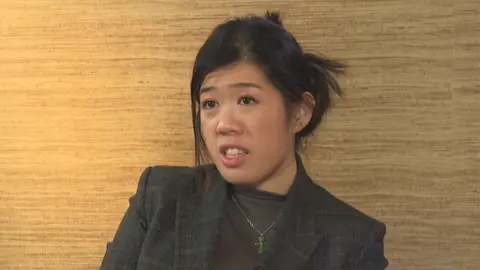
Jimmy Lai, a 78-year-old Hong Kong pro-democracy tycoon detained since December 2020, was convicted under the national security law and faces potential life imprisonment; his family reports significant deterioration in his health including weight loss, diabetes complications, severe pain, fingernails falling off and dental rot, allegations Chinese authorities deny. The conviction and reported mistreatment have prompted UK condemnation and a family appeal to Prime Minister Keir Starmer ahead of his January 2026 visit to meet Xi Jinping, heightening diplomatic and political-risk considerations for Hong Kong and investor sentiment toward China-related assets.
Market structure: This conviction sharpens the political-risk premium on Hong Kong listings, Hong Kong-focused media and pro‑democracy capital — direct losers include HK-listed media, Apple Daily remnants and sentiment‑sensitive small caps; winners are safe‑haven assets and regional competitors (Singapore financial/IPO venues). Expect a persistent bid for USD, gold and sovereign bonds if prosecutions continue; Hong Kong equity risk premium could widen 100–300bp vs. MSCI Asia ex‑Japan over next 3–6 months. Cross‑asset: CNH may underperform USD by 1–2% in stress windows, H‑share volatility and HSI options skew to the downside should rise ~20–40% around headline events.
Risk assessment: Tail risks include coordinated Western sanctions or asset restrictions versus Chinese/HK authorities (low probability, high impact) which would meaningfully reprice Chinese asset correlations and liquidity in 3–12 months. Immediate (days) risk is headline-driven volatility; short (weeks–months) is capital reallocation away from HK listings; long (quarters) is structural shift of IPO flows to Singapore and delisting/domicile shifts. Hidden dependencies: multinational corps with UK ties could be collateral damage via trade/soft‑law measures; catalysts include UK–China summit (late Jan 2026), additional NSL prosecutions or UK sanctions announcements.
Trade implications: Open tactical hedges into the Jan 2026 UK–China visit: buy downside protection on Hong Kong exposure (EWH puts) and long GLD/short CNH FX exposure for 30–90 days. Relative value: long Singapore ETF (EWS) vs short Hong Kong ETF (EWH) to capture potential 1–3% weekly flows and longer re‑listing trends. Reduce concentrated exposure to HK media/consumer internet names and rotate 2–4% into global defensive dividend names and gold.
Contrarian angles: Consensus treats this as purely political; markets may overprice systemic decoupling risk — high‑quality China domestic consumer staples and commodity exporters (not reliant on HK capital) could be underowned and rebound if sanctions don’t materialize. Historical parallels: 2019 protests caused short‑term HK underperformance but flows normalized within 6–12 months; if no major sanctions after the Jan summit, rebound trades in EWH and KWEB could be profitable. Unintended consequence: aggressive hedging could create short squeezes in thinly traded HK derivatives; size positions accordingly.
AI-powered research, real-time alerts, and portfolio analytics for institutional investors.
Request DemoOverall Sentiment
moderately negative
Sentiment Score
-0.40
