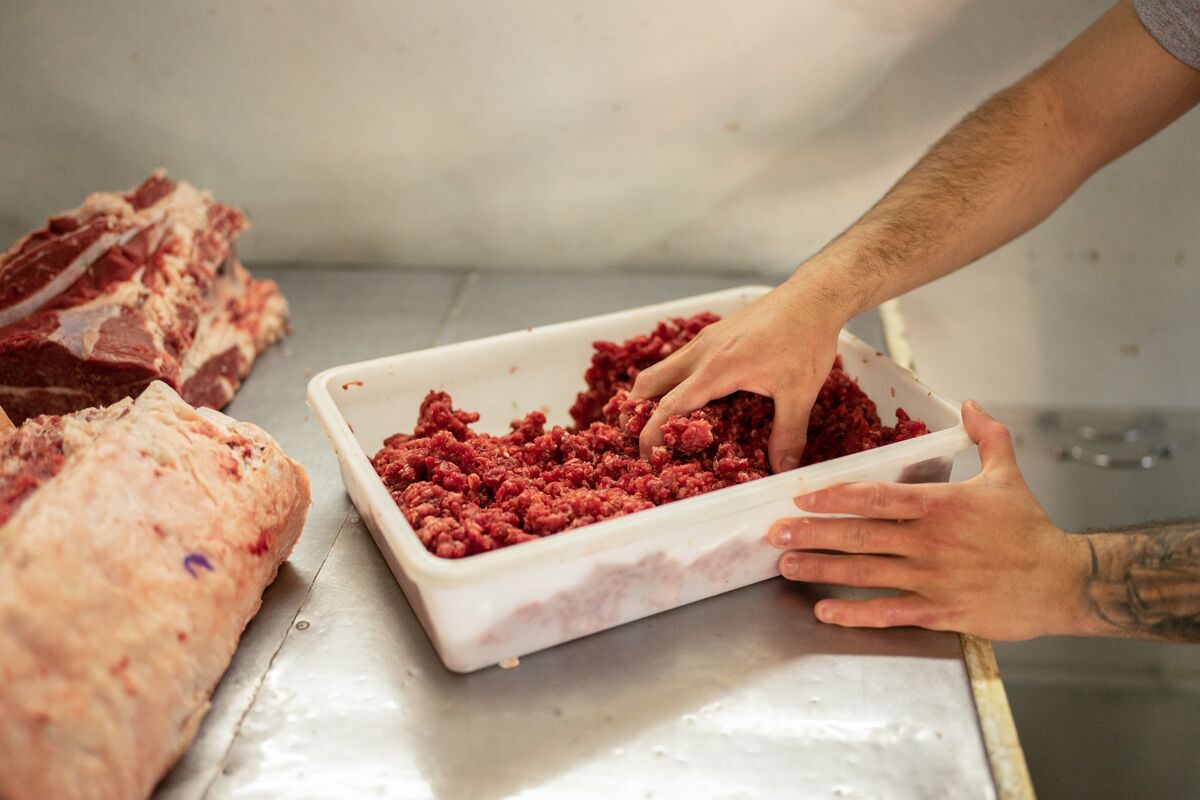
Surging beef prices—after nearly two years of increases—are starting to dent American demand for the country’s favorite meat, suggesting consumers are reaching their limit. The reported shift points to weakening appetite at current price levels rather than a near-term stabilization in costs.
The key mechanism is not just lower beef volumes; it is a potential break in pricing power across the whole protein chain. If consumers are finally pushing back, beef-heavy processors and cattle-linked suppliers face a double hit: weaker unit demand and less ability to pass through costs, while chicken and pork benefit from substitution and lower menu-price sensitivity. That makes relative value inside packaged meat more interesting than a directional bet on food inflation.
Near term, the market will likely overreact to any weekly scanner or wholesale price downtick, but the real catalyst is 1-3 months out when processors report whether volume weakness is being offset by mix or promotions. If retail prices ease without a meaningful rebound in units, margin compression can show up first in beef-centric names like TSN, while PPC and other poultry-exposed names should hold up better as consumers trade down. The second-order risk is that weaker demand slows herd rebuilding later, which can keep cattle supply tight and create a sharper rebound in input costs 6-18 months out.
Contrarian view: this may be a price-elasticity event, not a permanent collapse in beef preference. If wage growth stabilizes or retailers lean harder on discounts, demand can normalize quickly, making a blanket short across protein risky. The cleaner signal is relative performance between beef-heavy and poultry-heavy operators, not an outright bearish call on the meat complex.
AI-powered research, real-time alerts, and portfolio analytics for institutional investors.
Overall Sentiment
mildly negative
Sentiment Score
-0.25
Ticker Sentiment
