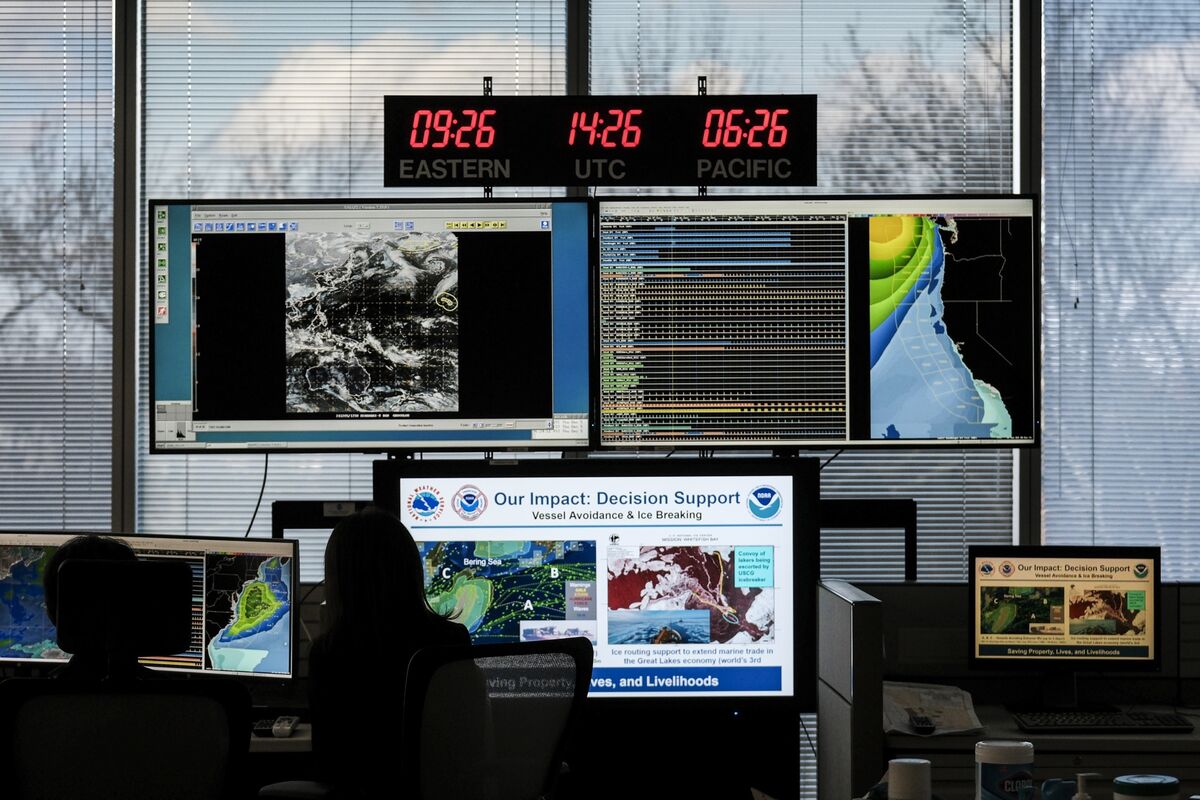
The U.S. government's increasing reliance on purchasing weather data from private companies may lead to a reduction in freely shared data, potentially undermining the integrity and effectiveness of global weather forecasting systems.
The U.S. government's shift towards procuring weather data from private companies, potentially reducing the free dissemination of this information, presents a significant systemic risk to global weather forecasting capabilities. This policy change, occurring amidst increasingly volatile weather patterns impacting the global economy, has been assessed with a 'moderately negative' sentiment and 'cautious' tone, reflecting concerns over its implications. The potential reduction in freely available data could undermine the collaborative framework essential for accurate global weather models, which rely on broad data sharing. While no specific companies are directly named, the 'market impact score' of 0.65 suggests a notable, albeit indirect, impact across various sectors. Industries heavily reliant on precise weather intelligence for operational planning, risk management, and supply chain resilience, such as agriculture, logistics, and insurance, could face increased costs or reduced forecasting accuracy. This development aligns with themes of 'Natural Disasters & Weather,' 'ESG & Climate Policy,' and 'Regulation & Legislation,' highlighting its broad economic and environmental relevance.
AI-powered research, real-time alerts, and portfolio analytics for institutional investors.
Request DemoOverall Sentiment
moderately negative
Sentiment Score
-0.55
