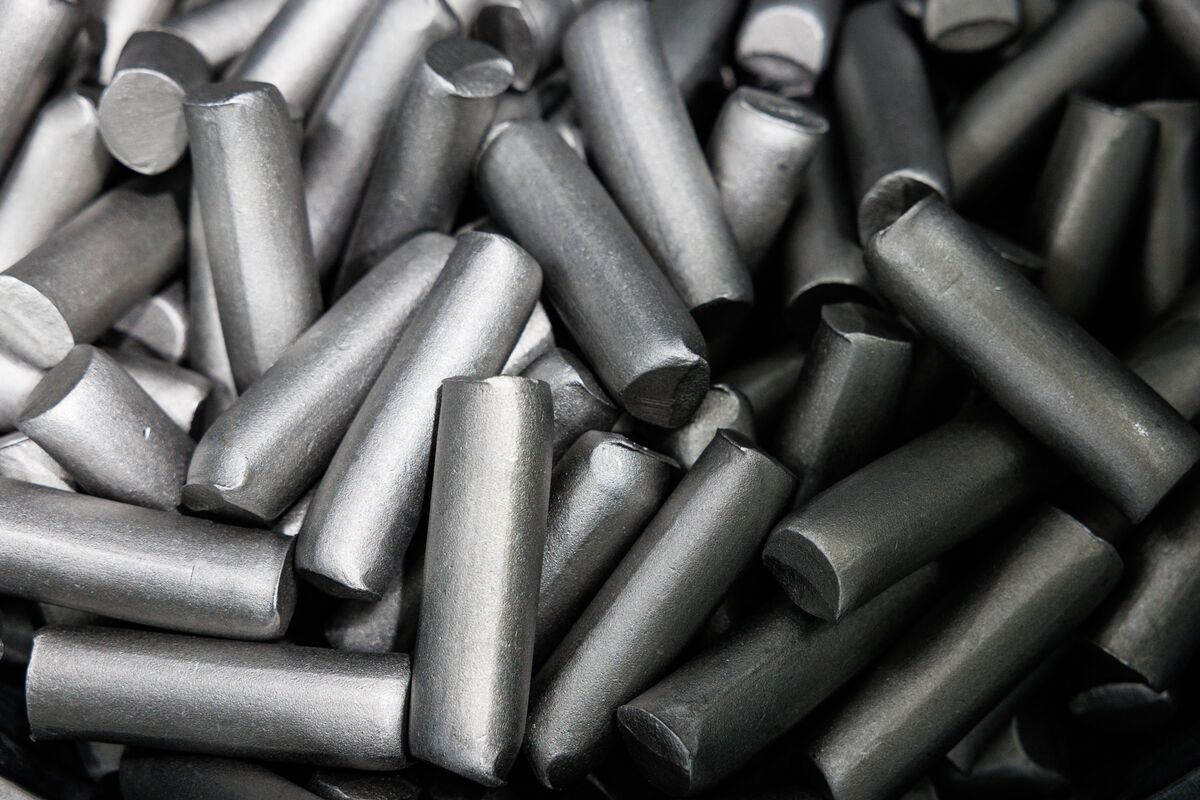
China significantly increased rare earth magnet exports in June, including to the US, alleviating a global supply crisis that had threatened manufacturing and exacerbated trade tensions. Total shipments more than doubled to 3,188 tons from May's 1,238 tons, with US-bound volumes surging to 353 tons from 46 tons. While providing immediate relief, overall export levels remain below those prior to Beijing's April export controls, indicating ongoing supply chain sensitivity for critical materials.
China's rare earth magnet exports saw a significant recovery in June, providing immediate relief to a strained global supply chain. Total shipments more than doubled to 3,188 tons from 1,238 tons in May, with flows to the U.S. surging from a mere 46 tons to 353 tons. This sharp increase has temporarily eased a supply crisis that threatened manufacturing operations and inflamed trade tensions, as reflected by the strongly positive sentiment signal. However, a critical caveat remains: total export volumes are still substantially below the levels seen prior to Beijing's implementation of export controls in early April. This indicates that while near-term pressures have abated, the supply of these critical materials remains highly sensitive to Chinese policy, and a full normalization of trade has not yet been achieved, leaving dependent industries vulnerable to future policy shifts.
AI-powered research, real-time alerts, and portfolio analytics for institutional investors.
Request DemoOverall Sentiment
strongly positive
Sentiment Score
0.70
