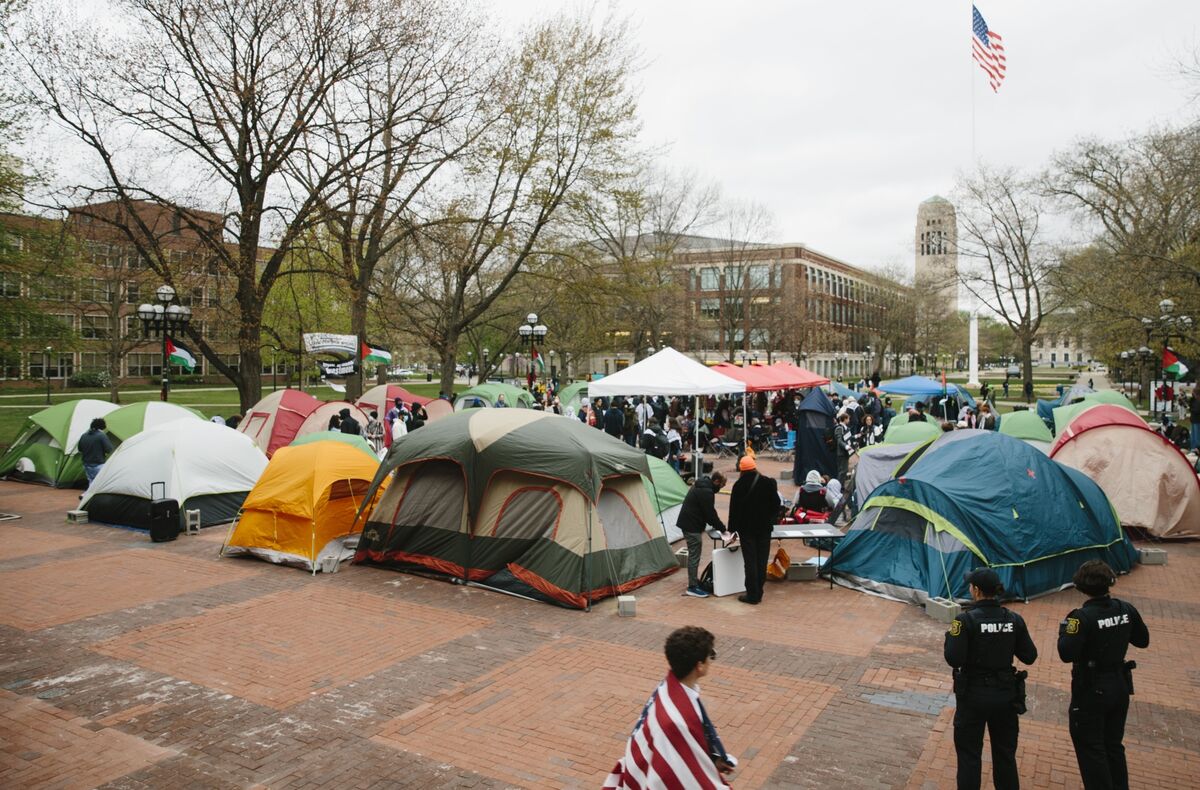
Eight people connected to pro-Palestinian activism at the University of Michigan were indicted on 10 federal counts, including conspiracy to transmit threats in interstate commerce, witness tampering, and destruction of property to prevent seizure. Seven were arrested and one remains at large, with the alleged conduct spanning October 2023 to April 2025. The case raises legal and reputational risk for the university, but is unlikely to have broad market impact.
This is less a campus-security headline than a precedent-setting governance event: once political activism crosses into indicted conduct, universities and adjacent NGOs will tighten internal controls fast. The near-term winners are institutions with large endowments, outsourced security, or reputationally sensitive donor bases, because boards will now demand clearer escalation protocols, threat monitoring, and documentation standards to reduce exposure to civil claims and federal scrutiny. The losers are peer universities facing similar protest ecosystems; the second-order effect is a higher cost of managing campus unrest, with more spending on legal, security, and communications while donor patience for ambiguity shrinks.
The bigger medium-term risk is institutional chilling: administrators may become more aggressive in discipline and access restrictions even for lawful protest, which could trigger a new wave of litigation and student-led backlash over the next 3-9 months. That creates a nonlinear risk profile for schools with concentrated activist pressure, especially those already under congressional or donor scrutiny. If additional indictments surface or evidence ties protests to outside coordination, the story could broaden from a local governance issue into a national university-board crisis.
The consensus may overestimate the immediate reputational damage to the named advocacy ecosystem and underestimate the benefit to incumbents who want stricter campus rules. In practice, the market impact is likely more durable on governance and fundraising than on headline risk: donor flight, delayed gifts, and trustee turnover can impair university operating flexibility for multiple budget cycles. The key reversal catalyst would be a court narrowing the case or evidence that the indictment is perceived as overreach, which would re-energize activist support and pressure administrators to soften policy changes.
For investors, the cleaner expression is not in direct equities but in event-driven positioning around higher education and security vendors: expect incremental demand for campus security, surveillance, and compliance consulting over the next 6-12 months. If the legal process escalates, universities with already-stretched balance sheets may face incremental expense ratios and fundraising delays, creating a relative value opportunity versus more politically insulated institutions.
AI-powered research, real-time alerts, and portfolio analytics for institutional investors.
Request DemoOverall Sentiment
moderately negative
Sentiment Score
-0.35
