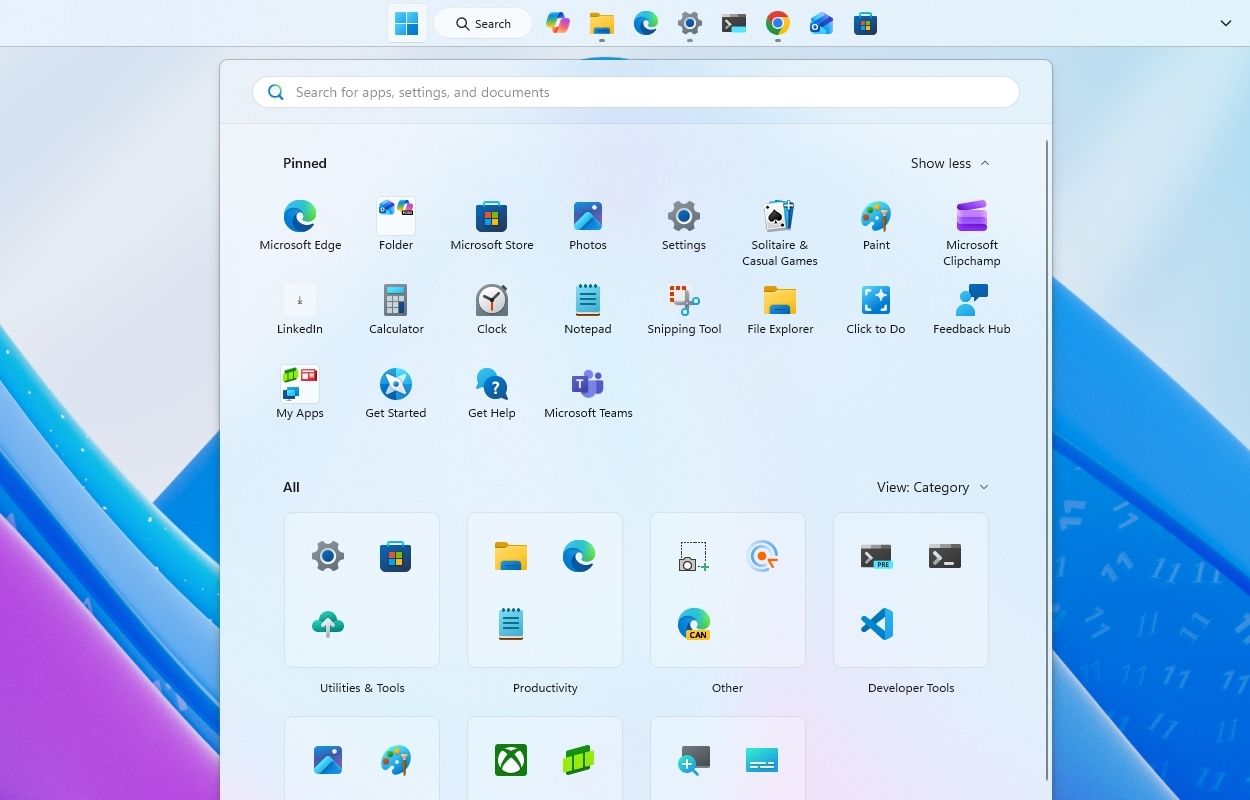
Microsoft is restoring Windows 11 Taskbar repositioning and resizing in preview build 26300.8493, allowing placement on any screen edge and a smaller Taskbar via existing settings. The update addresses long-standing user complaints and makes Windows 11 more flexible, but the implementation still lags Windows 10 because dragging the Taskbar is not supported and multi-row behavior remains unavailable. Market impact is limited, though the changes may modestly improve user sentiment toward Windows 11.
This is a modest but important signal for MSFT: the company is re-prioritizing power-user retention over design purity, which should reduce one of the persistent friction points in Windows 11 adoption in enterprise and prosumer segments. The near-term financial impact is likely limited, but the second-order effect matters: fewer workflow complaints can slow the migration drag from Windows to managed alternatives and support longer OS lifecycles, which is incremental positive for enterprise seat stability and adjacent software attach.
The bigger takeaway is competitive positioning against Apple and the ChromeOS/VDI stack: Microsoft is conceding that configurability is not a niche preference, it is a retention lever for IT admins and advanced users. If the company continues to restore legacy controls without regressing stability, it improves the odds that Windows 11 becomes a net upgrade cycle rather than a “good enough” holdout environment. That matters over 2-4 quarters because endpoint refresh decisions are often delayed by user-interface objections that are cheap to fix but expensive to ignore.
Contrarian view: the market may underappreciate how much of Windows' long-run moat comes from backwards-compatible behavior, not just cloud or AI branding. The fact that this is still being rolled out cautiously suggests Microsoft is balancing engineering constraints, which means the feature set may remain incomplete and keep a subset of users dissatisfied. For RDDT, this is mildly supportive of tech community engagement and troubleshooting traffic, but not material enough to drive multiple expansion on its own; for CSCO, the link is too indirect to matter. The true risk to the bullish read is execution slippage—if Microsoft reintroduces customization but keeps it buried in settings and inconsistently implemented, it may only slow dissatisfaction rather than reverse it.
AI-powered research, real-time alerts, and portfolio analytics for institutional investors.
Request DemoOverall Sentiment
mildly positive
Sentiment Score
0.15
Ticker Sentiment
