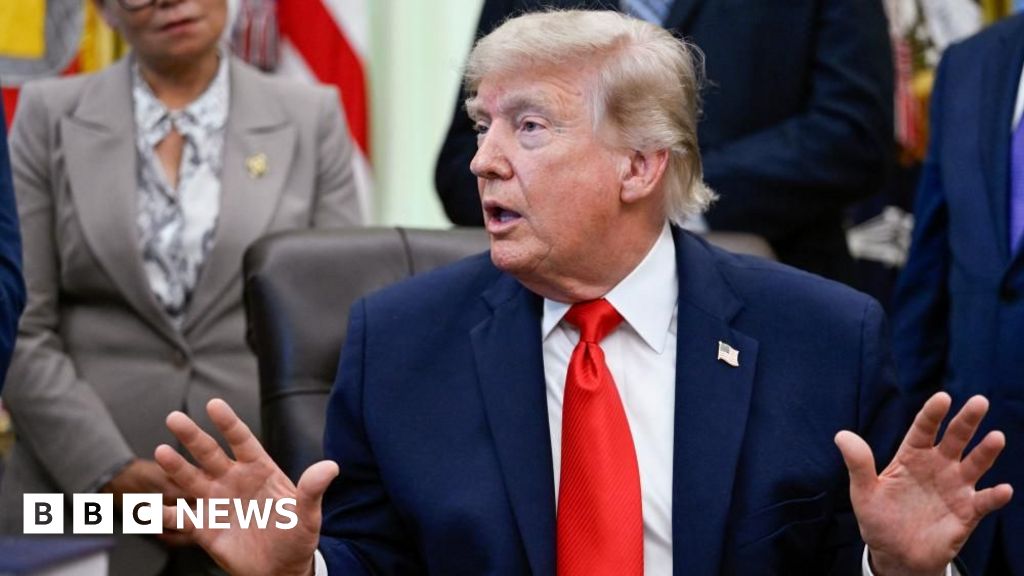
Trump said a US-Iran deal is scheduled to be signed Sunday, while Iran said the exact timing is still uncertain and not expected tomorrow. The deal is reported to include reopening the Strait of Hormuz, lifting a blockade on Iranian ports, and potential technical talks next week, all of which could materially affect global oil and LNG flows. Despite the tentative progress, intermittent fire and unresolved nuclear issues keep the situation highly volatile.
A credible de-escalation in the Strait of Hormuz is a classic volatility-collar event: the first-order move is lower implied risk across crude, LNG, shipping, and Gulf FX, but the larger opportunity is in dispersion rather than direction. If transit truly normalizes, the market will quickly reprice not just spot energy, but the probability of supply-chain normalization for refiners, airlines, chemical producers, and Asian importers that have been paying a hidden geopolitical insurance premium.
The second-order beneficiary is not simply oil consumers; it is any balance sheet that has been carrying war-risk inventory, higher freight, and elevated working capital. A reopening also tends to flatten the curve in energy-linked inflation expectations, which can matter more for duration-sensitive sectors than the immediate move in WTI/Brent. The overlooked loser is the defense and security complex in the region: even without budget cuts, the urgency premium around maritime protection, missile defense, and emergency logistics procurement fades fastest when headline risk compresses.
The key risk is that the market treats this as binary while the process is actually staged and reversible. A signed framework can still leave room for noncompliance, partial reopening, or a spoiler event within days to weeks; that means crude vol may fall faster than realized supply risk. Contrarian setup: consensus may be underestimating how much of the move is already in since repeated false dawns have trained the market to fade headlines, so the better expression is to sell expensive downside protection in energy rather than chase outright beta immediately.
AI-powered research, real-time alerts, and portfolio analytics for institutional investors.
Overall Sentiment
neutral
Sentiment Score
0.05
