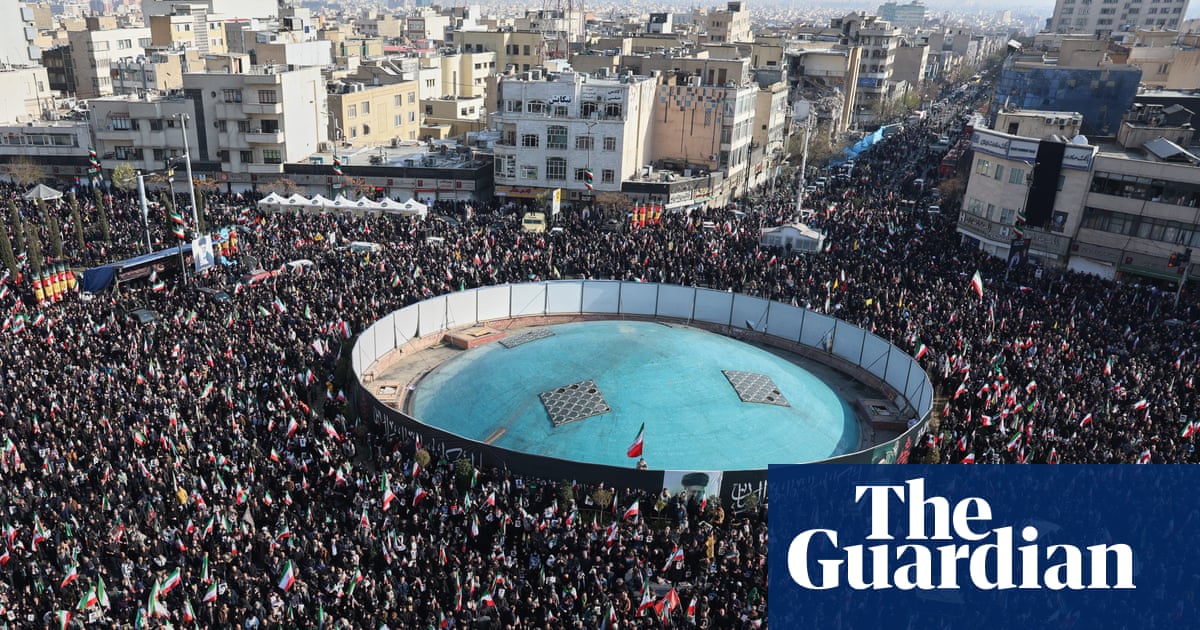
A fifth of global oil flows transit the Strait of Hormuz and Iran’s strikes have effectively halted tanker traffic, driving oil prices sharply higher and sending global equity markets down. Iran has launched sustained missile and drone campaigns across the Gulf and at Israel (including 253 missiles and 1,440 drones fired at the UAE), with the UAE reporting 4 foreign nationals killed and 117 wounded; Bahrain reported 32 wounded and damage to energy/desalination infrastructure. The human toll is large: at least 1,230 killed in Iran, 397 in Lebanon and 11 in Israel, and nearly 700,000 people displaced in Lebanon, escalating regional instability and prompting defensive naval deployments by France and others.
Disruption to Gulf shipping and repeated strikes on energy and coastal infrastructure create a multi-week shock to marginal supply and logistics rather than a single-day price glitch; the economic mechanism is rerouting + higher insurance/escort premia which increase delivered cost per barrel and extend time-to-market for refined products. That friction disproportionately benefits assets that capture margin on scarcity (tankers, spot crude sellers, short-cycle E&P) while penalizing capital-light demand-exposed sectors (airlines, container logistics, regional tourism) as realized fuel and voyage costs climb.
Defense, hardening and security services will see step-function revenue inflections as governments accelerate base upgrades and naval escort commitments; expect multi-year budget reallocation away from discretionary projects in affected states, pressuring non-defense capex and local sovereign credit metrics. Reinsurers and specialty insurers will reprice political/war risk and cyber/industrial policies, improving underwriting economics for those with balance-sheet capacity but creating near-term reserve volatility for primary carriers.
Key catalysts: (1) escalation to a broader state-on-state confrontation or closure of the strait for weeks would sustain higher-for-longer energy prices and shipping rates; (2) a credible diplomatic ceasefire or coordinated SPR release could unwind much of the risk premium within 30–90 days. Watch three observable triggers: tanker voyage-day index (rising days → higher forward freight), sovereign CDS of small Gulf states (widening → funding stress), and western naval convoy announcements (which cap insurance premia).
AI-powered research, real-time alerts, and portfolio analytics for institutional investors.
Request DemoOverall Sentiment
strongly negative
Sentiment Score
-0.85
