
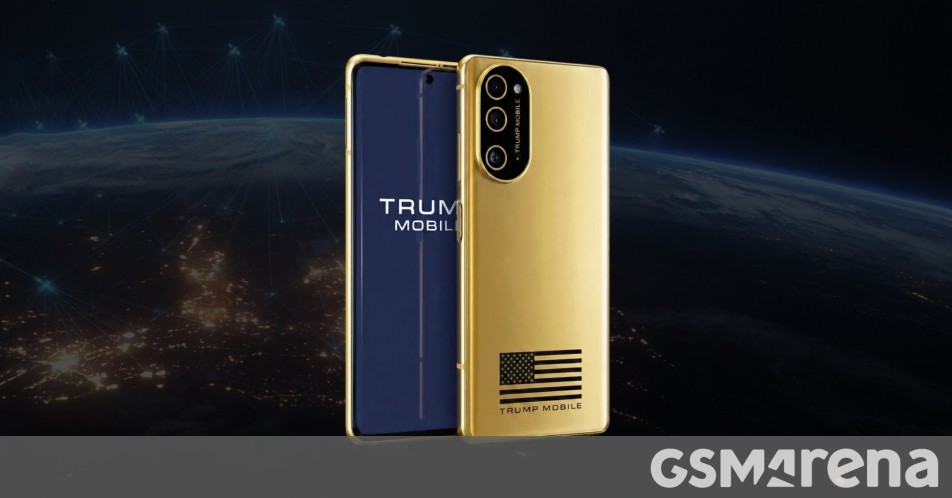
Trump Mobile’s T1 Phone is now listed with a 6.78-inch AMOLED 120Hz display, a Qualcomm Snapdragon 7-series chipset, 50MP front and main cameras, a 50MP 2x telephoto lens, an 8MP ultrawide camera, a 5,000mAh battery, 30W charging, and Android 15. The device is priced at $499, but the article provides no shipping timeline and suggests the phone may be an ODM-derived model with specs similar to the HTC U24 Pro. The update is largely a product-spec refresh and is unlikely to have meaningful market impact.
This looks less like a true consumer-product launch and more like an ODM relabeling exercise, which matters because the margin pool is likely captured upstream by the chipset, display, camera-module, and assembly vendors rather than by the brand owner. If the device is effectively a rebadged HTC-class reference design, the commercial risk is not technical feasibility but demand elasticity: at $499, it is priced against established mid-premium Androids with stronger channel trust, so sell-through could be meaningfully weaker than launch visibility suggests.
For QCOM, the immediate read-through is modestly positive but not enough to change the earnings slope on its own. A Snapdragon 7-series handset in a small, niche distribution channel is incremental unit volume, not a mix-shifting catalyst; the better takeaway is that Qualcomm continues to monetize the long tail of non-flagship Android devices, but this is more supportive of baseline handset content than of upside revision. Any share reaction in QCOM would likely be more sentiment-driven than fundamental, and should fade unless multiple OEMs are simultaneously refreshing mid-tier SKUs.
The second-order dynamic is competitive pressure on mid-tier Androids from brands that win on perceived novelty rather than spec leadership. If this product gets attention despite weak hardware/value optics, it validates that retail demand can still be manufactured through branding and distribution, which is a warning for incumbents with slower product cycles. Conversely, if launch interest is tepid, it reinforces that consumer buyers are becoming more value-sensitive in the $400-$600 band, a negative for lesser-known Android ODM plays and accessory attach narratives.
The key catalyst is not the announcement but the first 30-60 days of shipment data: if there is no verifiable carrier or retail channel inventory build, the story likely stays promotional rather than commercial. The contrarian angle is that the device may generate outsized media traffic without meaningful unit sales, creating the appearance of launch momentum while leaving suppliers and adjacent comps largely unaffected. That makes this more of a monitoring event than a conviction trade unless a larger partner or fulfillment channel emerges.
AI-powered research, real-time alerts, and portfolio analytics for institutional investors.
Request TrialOverall Sentiment
neutral
Sentiment Score
0.05
Ticker Sentiment
