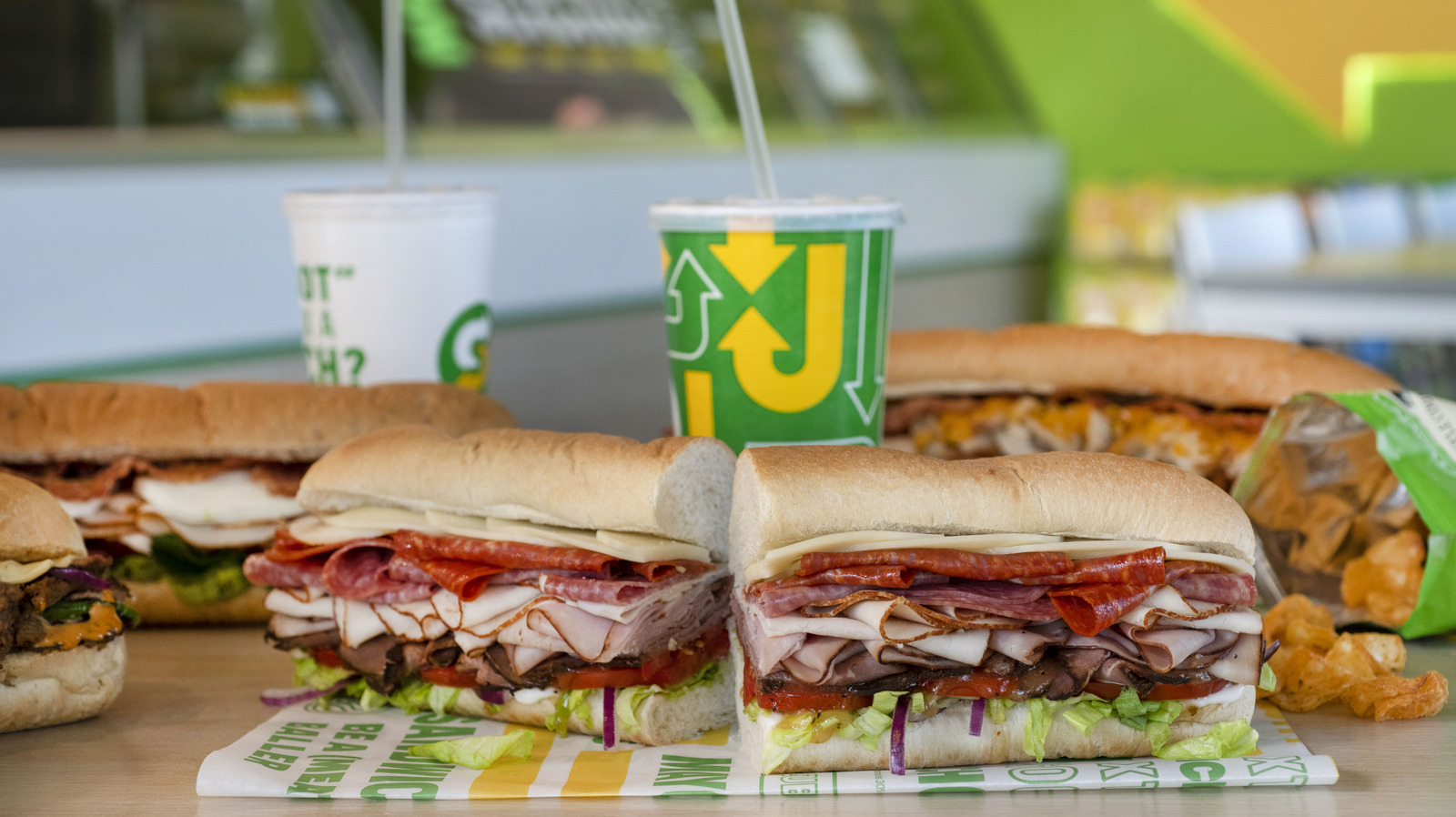
Subway launched its first-ever value menu, the Fresh Value Menu, featuring 11 six-inch sandwiches and four protein wraps priced under $5. The offering includes a rotating Sub of the Day at $4.99, six classic sandwiches, two new sandwiches, and Protein Pockets aimed at value-conscious, protein-focused consumers. The move is a modest positive for customer acquisition and traffic, but it is unlikely to materially move the stock or sector.
This is less a branding story than a margin-defense maneuver: Subway is using price architecture to re-anchor traffic in a category where consumers have become highly elastic on lunch spend. The key second-order effect is mix suppression elsewhere in the menu—if the value tier pulls incremental visits but cannibalizes higher-priced sandwiches, the revenue lift may lag traffic lift unless attachment on drinks/sides improves. That makes the program more meaningful for same-store sales stabilization than for immediate ticket expansion.
The competitive read-through is negative for quick-service operators that rely on aggressive value signaling, because Subway is offering a relatively protein-dense option below the psychological $5 barrier. That can pressure regional sandwich chains and chicken concepts that have been leaning on premium positioning without a strong value lane, while also forcing competitors to match on calories/protein per dollar rather than just price. Supply chain wise, standardized SKUs and a limited rotating menu should improve forecasting and reduce waste, which can offset some margin dilution from lower price points.
The main risk is that this becomes a traffic-only event that fades after the initial novelty window, especially if consumers treat the offer as a temporary promotion rather than a durable shift in everyday lunch behavior. The faster the industry reacts with more compelling bundled meals, the shorter the duration of any share gain. The contrarian view is that underpricing may actually be defensive rather than offensive: if the move is necessary to keep franchisee throughput from deteriorating, it signals the broader consumer is still trading down, which is positive for value-led QSR but not necessarily for the category’s pricing power.
The best setup is to watch whether this improves comparable transactions over the next 1-2 quarters without materially compressing average unit economics; if it does, the stock could rerate modestly on proof of concept. If not, the market will likely treat it as another promo cycle. Either way, this is a useful tell on the strength of lower-income lunch demand and the sustainability of premium menu pricing across fast food.
AI-powered research, real-time alerts, and portfolio analytics for institutional investors.
Request DemoOverall Sentiment
mildly positive
Sentiment Score
0.20
