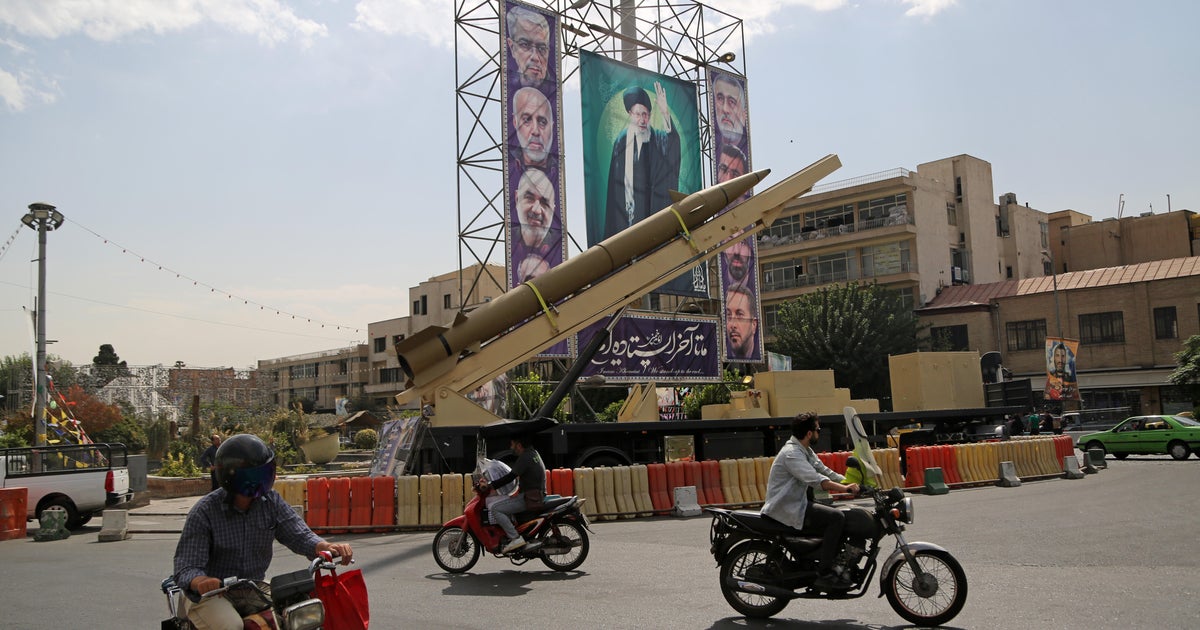
The U.S. State Department authorized non-emergency personnel and family members to depart Israel citing safety risks as tensions with Iran persist amid indirect negotiations in Geneva aimed at averting renewed strikes. Iranian and Omani officials described limited progress and planned technical talks in Vienna, but U.S. political leaders signaled that military options remain on the table, prompting multiple countries to issue evacuation or travel warnings for Israel and Iran. The heightened regional risk increases the likelihood of disruptions to travel and potential volatility in defence and safe-haven assets; managers should monitor energy, defense contractors, regional credit spreads and FX flows for emerging risk premia.
Market Structure: Near-term winners are defense primes (backlog/pricing power) and commodity producers; losers are airlines, hotels, cruise lines and regional EM tourism flows. Expect defense capex repricing over quarters (10–25% EPS improvement scenario if procurement accelerates) while travel revenues can fall 10–30% regionally over weeks when flights suspend. Cross-asset: risk-off -> Treasuries bid (2s/10s flatten), USD strengthens, gold/GLD up, oil spikes on supply-risk (shock of $10–30/bbl possible on military strikes), and equity implied vols rise 20–60% from current levels.
Risk Assessment: Tail risk is full regional escalation/crippling attack on Gulf infrastructure producing a multi-week oil shock and global growth hit; probability ~5–15% in next 3 months but >$30bn market impact on energy equities if realized. Immediate (days): travel disruptions and volatility; short-term (weeks–months): tactical strikes and repricing; long-term (quarters+): structural defense budget increases and supply-chain reconfiguration. Hidden dependencies include insurance premia, shipping chokepoints, and semiconductor inputs to defense OEMs that can create production lags.
Trade Implications: Favor convex, time-boxed longs in defense (call spreads), tactical oil exposure (call spreads or XOM/CVX equity) and gold (GLD) as tail hedges; short travel/airport-linked names (JETS, RCL, AAL) and travel REITs. Use pair trades to isolate geopolitical premium (long LMT/RTX vs short JETS) and size volatility buys to 0.5–1% notional to capture spikes while capping theta decay.
Contrarian Angles: Consensus assumes prolonged war; market may overprice immediate full-scale conflict while underpricing a negotiated pause that still leaves defense spending higher. Historical parallels (1990/2003 Gulf shocks) show defense re-rates can lag price moves — stagger entries and use pullback accumulation. Watch for overbought oil moves that trigger demand destruction; these create reversal opportunities within 3–6 months.
AI-powered research, real-time alerts, and portfolio analytics for institutional investors.
Request DemoOverall Sentiment
moderately negative
Sentiment Score
-0.55
