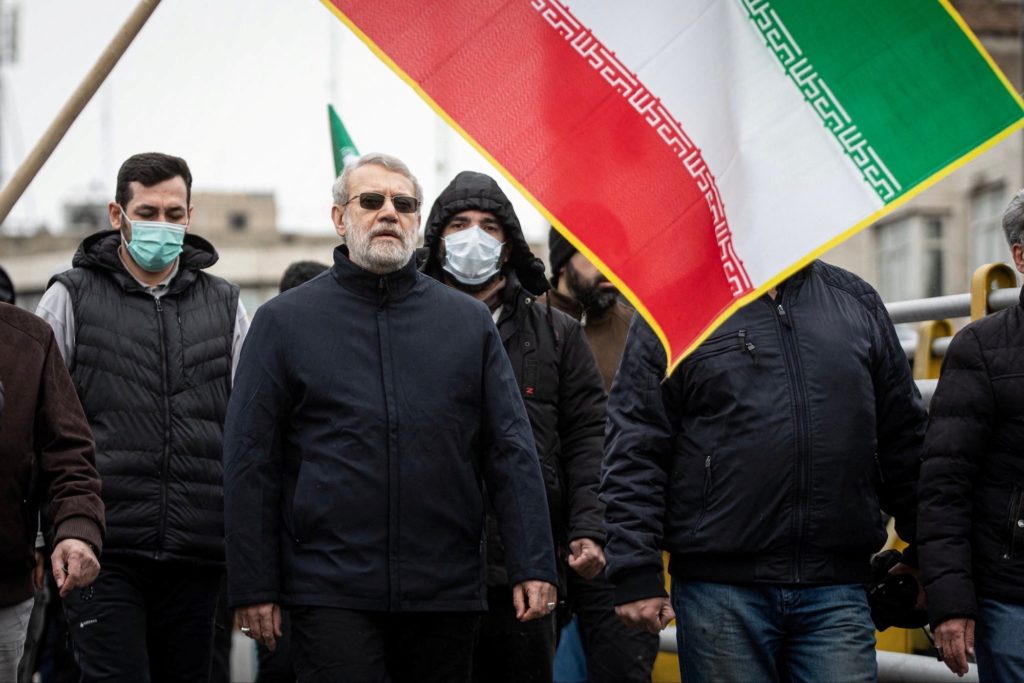
Killing of two senior Iranian figures — Ali Larijani and the head of the Basij internal security force — prompted analysts to assess destabilization of Iran’s internal power structure. Experts (Alan Eyre, Joel Rayburn) warned the incident raises risks of regional escalation, potential shifts in Iran’s security posture, and uncertainty around succession and internal cohesion. Market implications include higher geopolitical risk premia, upside pressure on regional energy prices, and likely risk-off flows into safe-haven assets.
A targeted decapitation of senior regime figures tends to compress near‑term strategic options inside Tehran: hardline security organs gain leverage over diplomatic wings, raising the probability of staggered asymmetric retaliation (proxy strikes, cyberattacks, shipping interdiction) rather than symmetrical conventional escalation. Expect a measurable lift in demand for point‑defense and ISR systems over 3–9 months as regional militaries and commercial operators pay to harden assets against drones, cruise missiles and electronic attack.
Market mechanics: shipping rerouting and elevated war‑risk premiums are the fastest channels for economic impact — insurance/toll spreads can move several hundred basis points within weeks and drive container rates and energy transport costs materially higher. Oil/insurance impacts are front‑loaded (days–weeks) whereas defense capex and export control tightening play out over quarters; sanctions amplification can re‑route advanced components away from regional manufacturers and accelerate onshore sourcing initiatives across 6–18 months.
Second‑order winners include niche cyber and counter‑UAV suppliers, global reinsurers with re‑priced risk pools, and defense primes with recent backlog in air‑defense and loitering munitions; losers are regional tourism, logistics providers with Red Sea exposure, and EM sovereigns whose CDS tend to reprice sharply on sustained proxy activity. Monitor freight rate indices, war‑risk premiums for Gulf/Red Sea lanes, and 3–6 month build rates for air‑defense deliveries as high‑signal trackers.
Contrarian read: markets often overshoot on headline risk and underprice the political cost to the attacker of broad escalation — Tehran’s fiscal and sanction constraints raise the bar for sustained kinetic campaigns. If retaliation stays asymmetric and compartmentalized, defense names may see compressed performance after an initial spike; a calibrated de‑escalation channel (back‑channel diplomacy, limited tit‑for‑tat) could reverse risk premia in 30–90 days.
AI-powered research, real-time alerts, and portfolio analytics for institutional investors.
Request DemoOverall Sentiment
moderately negative
Sentiment Score
-0.60
