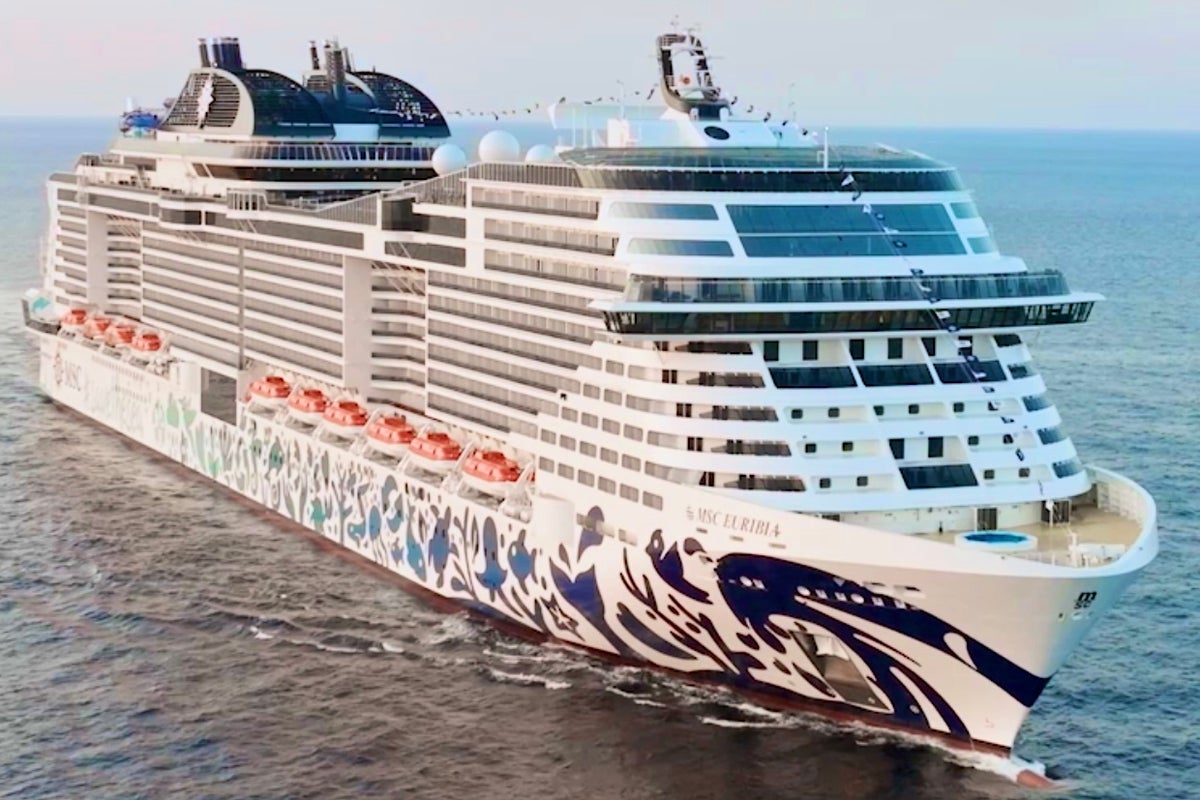
All six cruise ships stranded in the Gulf have now cleared the Strait of Hormuz and are expected to resume passenger sailings within weeks, with the first five rerouting around the Cape and Aroya Manara heading to Jeddah. The disruption forced dozens of cruise cancellations and cost the operators tens of millions of pounds, though the immediate maritime evacuation risk has eased. The story underscores ongoing geopolitical risk in the Gulf and its impact on cruise operations and regional shipping routes.
The immediate market read-through is not the cruise line equity impact itself but the signal that Gulf maritime traffic can be rerouted without a full shipping shutdown. That lowers the probability of a broad, persistent energy supply shock and should compress the geopolitical risk premium in adjacent transport assets, especially insurers, port operators, and bunker-fuel-sensitive carriers. The bigger second-order effect is reputational: the industry just demonstrated an operational playbook for crisis evacuation and convoy routing, which reduces tail-risk pricing for future sailing disruptions across the Middle East and eastern Mediterranean.
That said, this is not a clean de-risking. The rerouting adds meaningful voyage time and fuel burn, which will pressure cruise margins and schedule utilization over the next 1-2 quarters even after normal operations resume. The stranded capacity also likely forces promotional pricing into European summer sailings, creating a subtle earnings headwind for the large cruise operators even if headline cancellations roll off. If regional tensions flare again, the market should expect a faster move into longer, more expensive alternate routes rather than outright fleet immobilization.
The contrarian point is that the worst-case scenario for travel may already be partially priced, while the more durable beneficiary is the defense-and-maritime-security stack. The visible success of convoying through a narrow choke point reinforces demand for surveillance, escort, and maritime domain awareness spending among Gulf states and insurers. If the Strait remains passable but elevated-risk, the winners are not the cruise names that simply reopen, but the companies monetizing persistent security budgets and higher logistics friction.
AI-powered research, real-time alerts, and portfolio analytics for institutional investors.
Request DemoOverall Sentiment
mildly negative
Sentiment Score
-0.12
