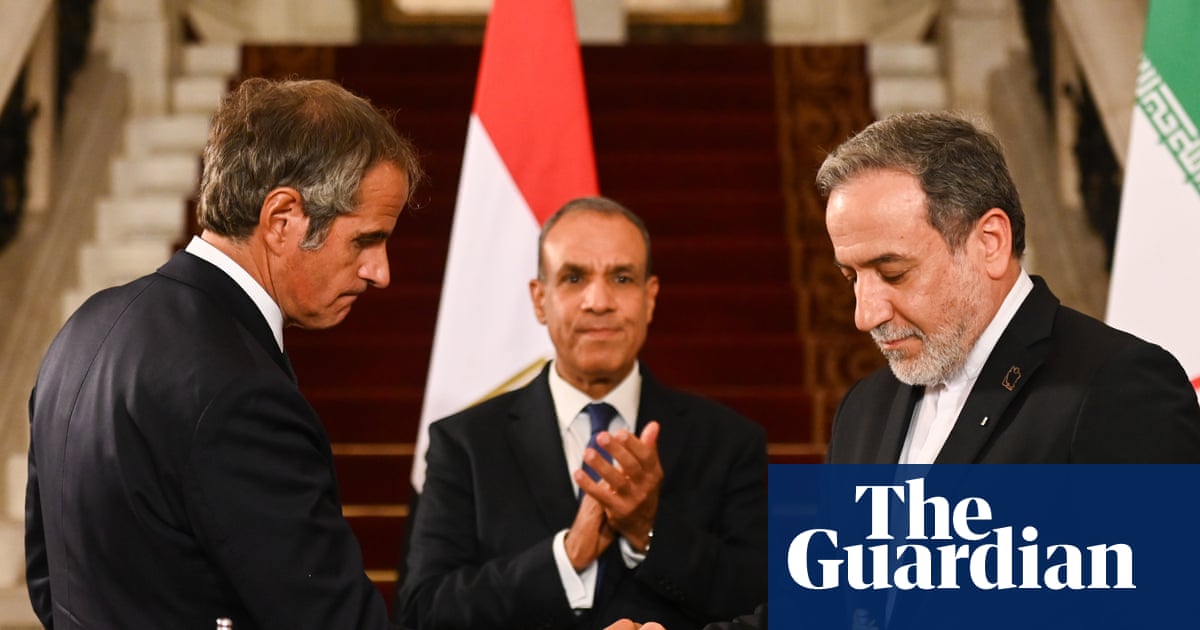
Iran and the UN nuclear inspectorate (IAEA) have reached an agreement allowing inspectors to return to all Iranian nuclear sites, including those previously bombed, a crucial precondition for European leaders to defer reimposing sweeping UN sanctions. Confirmed by IAEA Director General Rafael Grossi, the deal grants access to all facilities and requires reporting on attacked sites, specifically addressing Iran's 440kg stockpile of 60% highly enriched uranium. While seen as an important step for nuclear diplomacy and adherence to the non-proliferation treaty, the agreement's full implementation is expected to face challenges.
A significant geopolitical development has occurred with Iran and the International Atomic Energy Agency (IAEA) reaching an agreement to allow UN inspectors back into all of Iran's nuclear sites. The deal is critical as it serves as a precondition from European leaders to defer the reimposition of comprehensive UN sanctions. According to IAEA Director General Rafael Grossi, the agreement provides access to all facilities and mandates reporting on attacked sites, including the status of Iran's 440kg stockpile of 60% highly enriched uranium. While Grossi termed it an "important step in the right direction," he also underscored the deal's fragility, noting its implementation will be neither simple nor automatic. This caution is warranted given the internal political dynamics within Iran, where the deal required approval from the Supreme National Security Council to bypass parliamentary objections. The underlying distrust persists, with Tehran concerned that IAEA intelligence could be used by the US or Israel for future military strikes. For markets, this represents a tactical de-escalation of a major tail risk, but the acknowledged implementation difficulties and political hurdles signal that the situation remains fluid and uncertain.
AI-powered research, real-time alerts, and portfolio analytics for institutional investors.
Overall Sentiment
moderately positive
Sentiment Score
0.40
