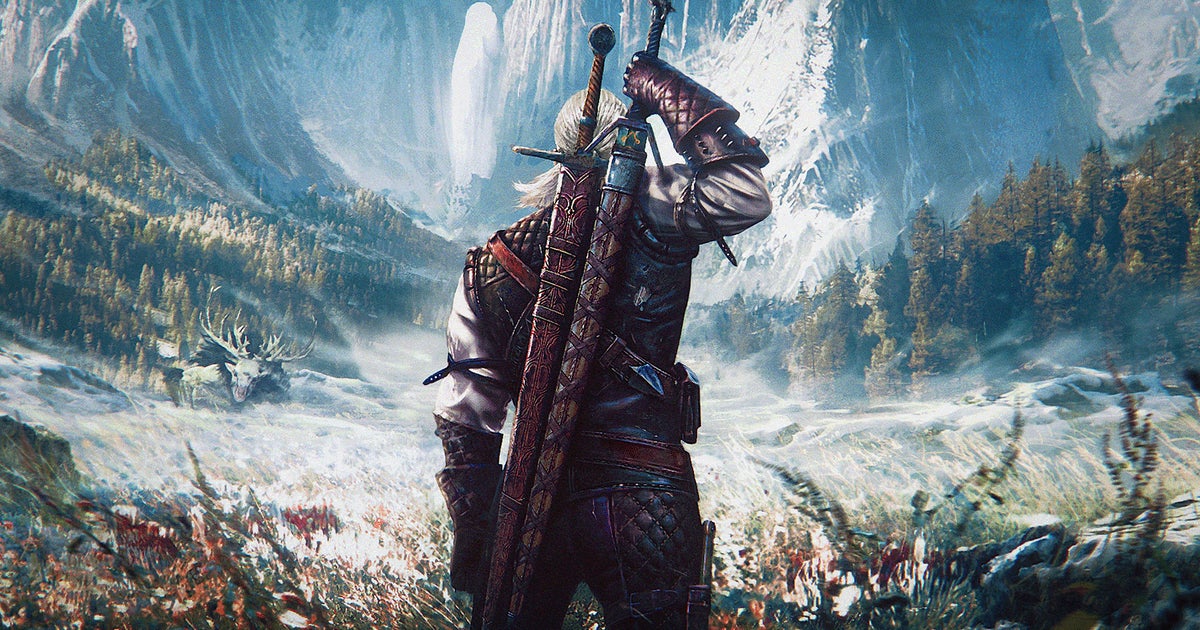
CD Projekt Red said The Witcher 3: Wild Hunt has sold more than 65 million copies, underscoring a very large installed base and supporting a third expansion, Songs of the Past, now in advanced development. The company also signaled the new content could introduce more players to the franchise ahead of The Witcher 4. The update is positive for long-term franchise monetization, but the immediate market impact is likely limited.
This is a monetization-and-distribution story, not just a nostalgia story. A 65m-unit legacy title with active support can be re-opened as an annuity stream via premium add-ons, re-engagement sales, and a funnel into the next flagship release; that meaningfully lowers the risk profile of CD Projekt’s long-duration content pipeline and likely supports a higher quality of earnings multiple. The key second-order effect is that the company is now proving it can extend the life of a single AAA asset far beyond the normal console cycle, which should help management justify more evergreen investment in back-catalog optimization and cross-gen packaging.
The market is likely underestimating how powerful this is for customer acquisition ahead of the next Witcher title. A new expansion that effectively serves as a reacquisition event can create a fresh cohort of players who enter at a lower CAC than a brand-new launch, especially if distributed across subscription and discount channels. That matters because it converts a future sequel into a lower-friction sequel-plus-service ecosystem, which improves launch-day conversion and reduces dependence on a single quarter’s sell-through.
The main risk is timing slippage: the monetization upside is real, but the equity story is still exposed to execution risk across multiple long-dated releases. If the expansion under-delivers creatively or slips materially, the market will treat this as opportunistic back-catalog harvesting rather than evidence of durable franchise strength. Conversely, if it lands well, expect a multi-month rerating as investors price in higher lifetime value per franchise user and better visibility into the Witcher 4 funnel.
Contrarian take: the consensus may be over-focusing on the ‘11 years later’ novelty and underpricing the fact that this is a proof point for extending premium IP without full remake economics. The real upside is not one expansion’s revenue, but the signal that CD Projekt can keep pulling incremental monetization from a mature base while preserving relevance for the sequel cycle. That should support the stock on dips, but the optimal entry is likely on any post-announcement fade once the market realizes the direct revenue is modest while the strategic value is larger.
AI-powered research, real-time alerts, and portfolio analytics for institutional investors.
Request TrialOverall Sentiment
moderately positive
Sentiment Score
0.50
