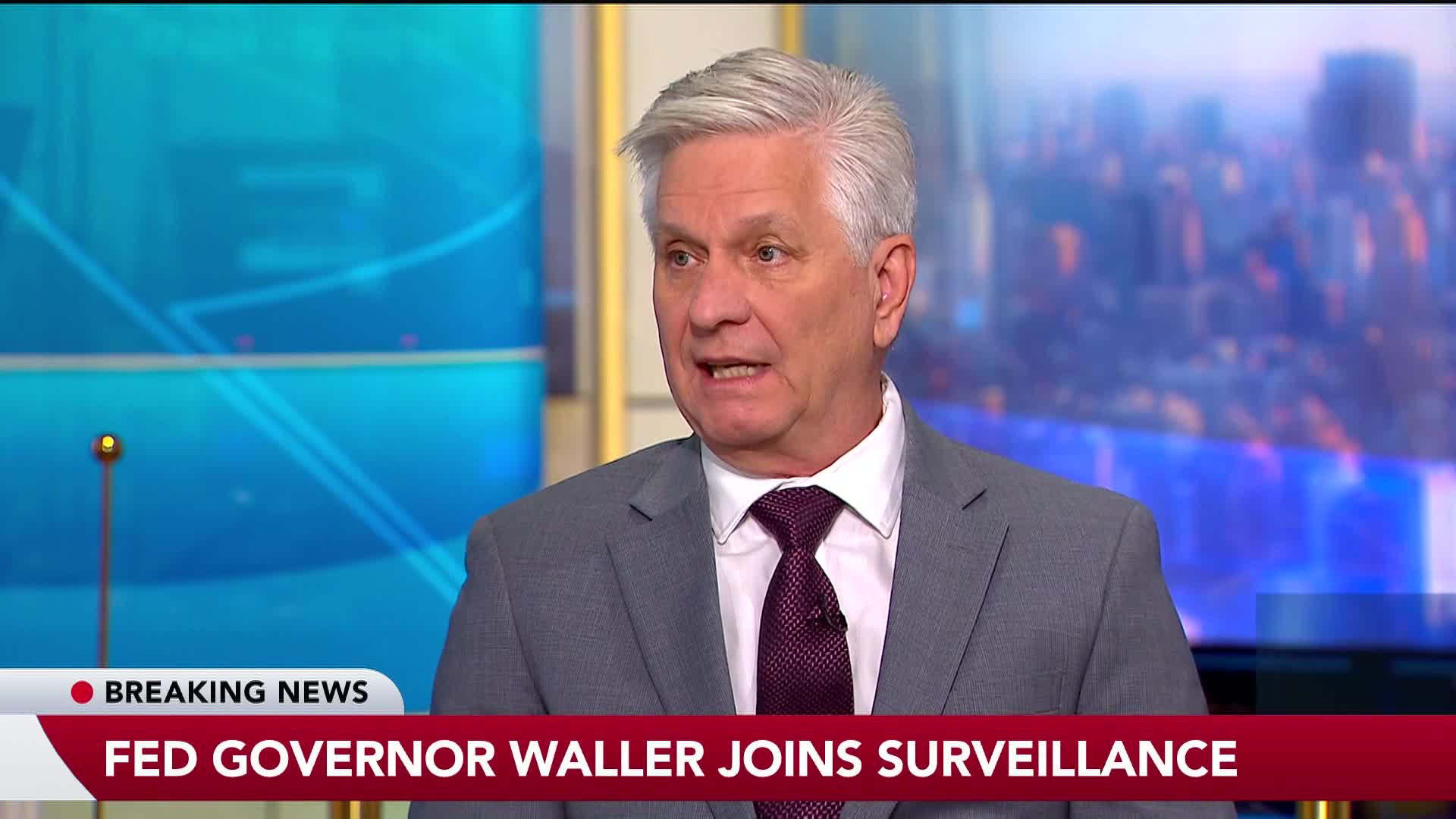
Fed Governor Christopher Waller indicated that the U.S. labor market is finely balanced, stating it 'wouldn’t take much to tip' it. This assessment suggests a heightened sensitivity to economic shifts, potentially accelerating the Federal Reserve's consideration of monetary policy adjustments, including interest rate cuts, should labor conditions weaken more rapidly than anticipated.
Federal Reserve Governor Christopher Waller's statement that it 'wouldn’t take much to tip' the U.S. labor market introduces a significant element of caution into the monetary policy outlook. This assessment suggests a shift in the central bank's perception, viewing the previously robust labor market as now being finely balanced and susceptible to a more rapid deterioration. The high market impact score of 0.7 associated with this news underscores its importance for investors. Waller's comments directly link potential labor market weakness to the Federal Reserve's reaction function, implying a lower threshold for initiating monetary policy adjustments. Consequently, any negative surprises in upcoming employment data could accelerate the timeline for interest rate cuts, making these indicators the primary focus for gauging the Fed's next move.
AI-powered research, real-time alerts, and portfolio analytics for institutional investors.
Request DemoOverall Sentiment
moderately negative
Sentiment Score
-0.50
