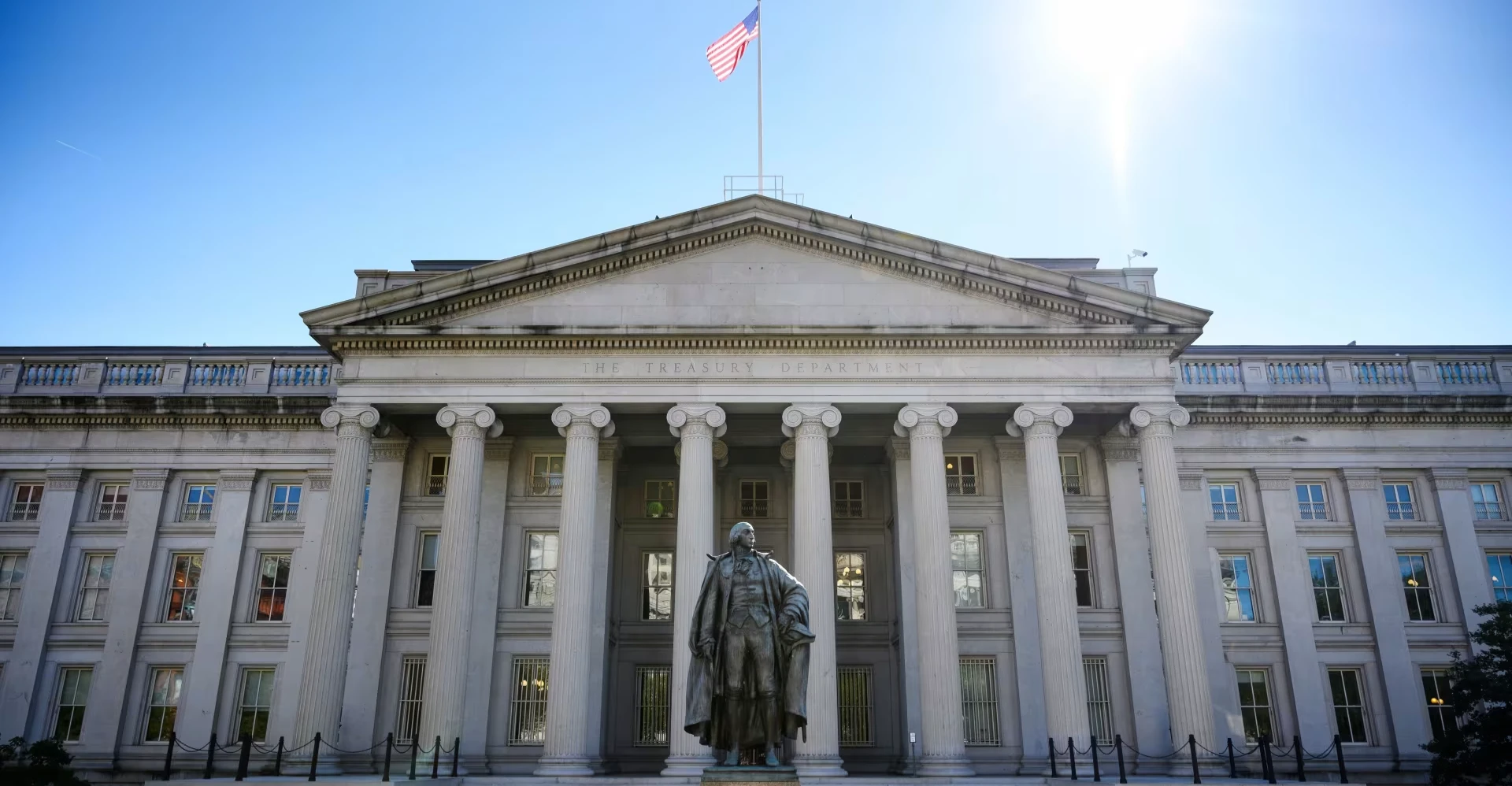
The US Treasury removed sanctions on 76 individuals and entities in a broad OFAC review, including Iraqi national Badran Turki Hishan al-Mazidi. The update was administrative in nature, aimed at streamlining older sanctions records and also covered deceased individuals, dismantled vessels, and defunct financial networks. The move is routine and unlikely to have meaningful market impact.
This is a cleanliness signal for the sanctions apparatus, not a regime shift. The market implication is that OFAC is increasingly willing to prune legacy designations that no longer map cleanly to current enforcement priorities, which modestly lowers the probability of accidental compliance hits for banks, shippers, and payment intermediaries operating in complex Middle Eastern corridors.
The second-order effect is more interesting than the direct one: sanctions-screening vendors, trade-finance desks, and correspondent banks may see a small reduction in false positives, especially where transliteration variance has inflated operational risk. That is marginally constructive for cross-border payment rails and regional banks with Iraq exposure, but it is not enough to change underwriting or capital allocation on its own.
The real catalyst to watch is whether this administrative housekeeping is a precursor to narrower, more targeted sanctions policy or simply a periodic data hygiene exercise. If it is the former, names tied to older networks could see incremental delistings over the next 1-3 quarters; if it is the latter, any move to extrapolate into broader easing would likely reverse quickly. The tradeable risk is not in the delisted names themselves but in the knock-on reduction in compliance friction across frontier-market flows.
Contrarian view: the market may underappreciate how much legacy sanctions clutter creates hidden costs in regional finance. Even small delistings can improve settlement speed and reduce reserves against compliance errors, which benefits larger banks more than local players because they have the volume to monetize lower friction.
AI-powered research, real-time alerts, and portfolio analytics for institutional investors.
Request DemoOverall Sentiment
neutral
Sentiment Score
0.05
