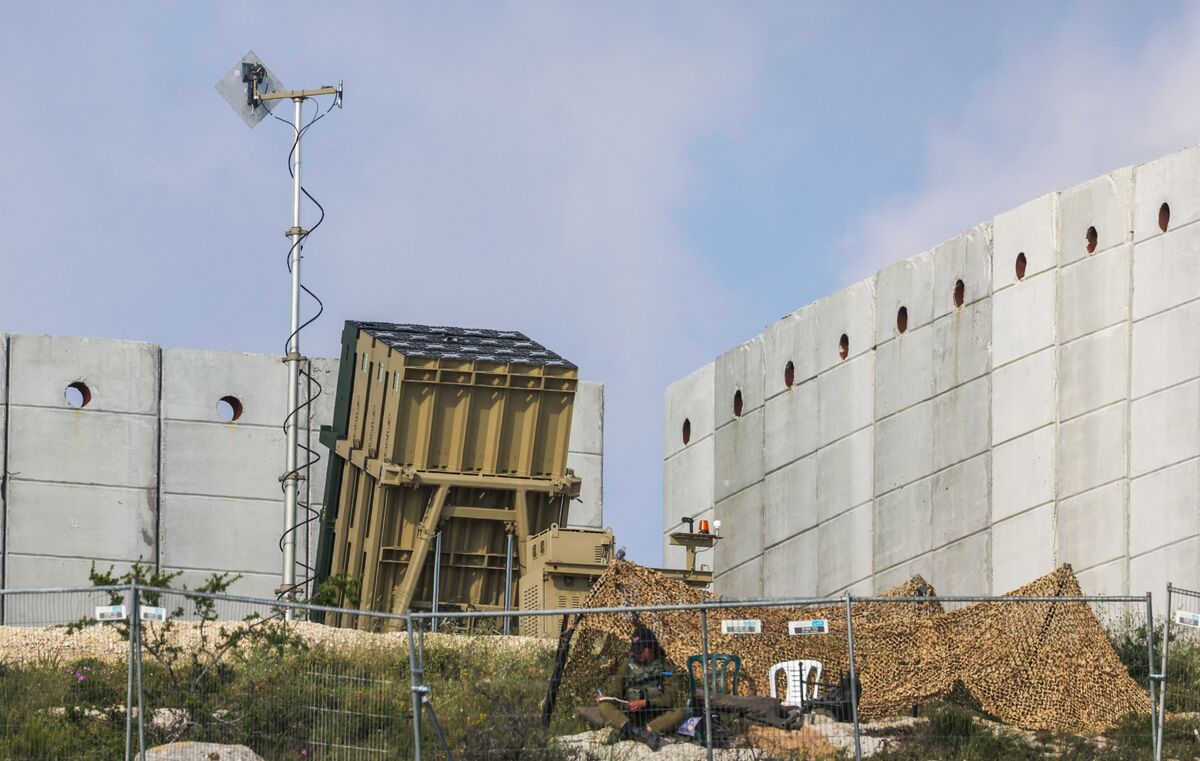
Iran's October 2024 attack on Israel tested the country's air defenses, with numerous ballistic missiles bypassing the systems and causing an estimated 150 million to 200 million shekels ($40 million to $53 million) in damages, according to the Israel Tax Authority. While no casualties were reported, the event highlights vulnerabilities in Israel's air defense capabilities despite its reputation for advanced technology in this sector.
Iran's October 2024 missile attack on Israel, part of ongoing hostilities since October 2023, resulted in numerous ballistic missiles breaching Israeli air defenses, causing an estimated 150 million to 200 million shekels ($40 million to $53 million) in damages, according to Israel's tax authority, although no casualties were reported. This event occurred subsequent to an Israeli strike in June targeting Iranian nuclear facilities and military leadership. Despite Israel's significant investment in what it considers some of the world's best air defenses, described as 'billion-dollar systems,' the successful penetration by Iranian missiles highlights a tangible vulnerability and the financial costs associated with such breaches. The moderately negative sentiment (-0.45) associated with this news underscores the concerning implications of these defense limitations in a high-tension geopolitical environment, particularly concerning the efficacy of existing defensive infrastructure against evolving offensive capabilities.
AI-powered research, real-time alerts, and portfolio analytics for institutional investors.
Request DemoOverall Sentiment
moderately negative
Sentiment Score
-0.45
