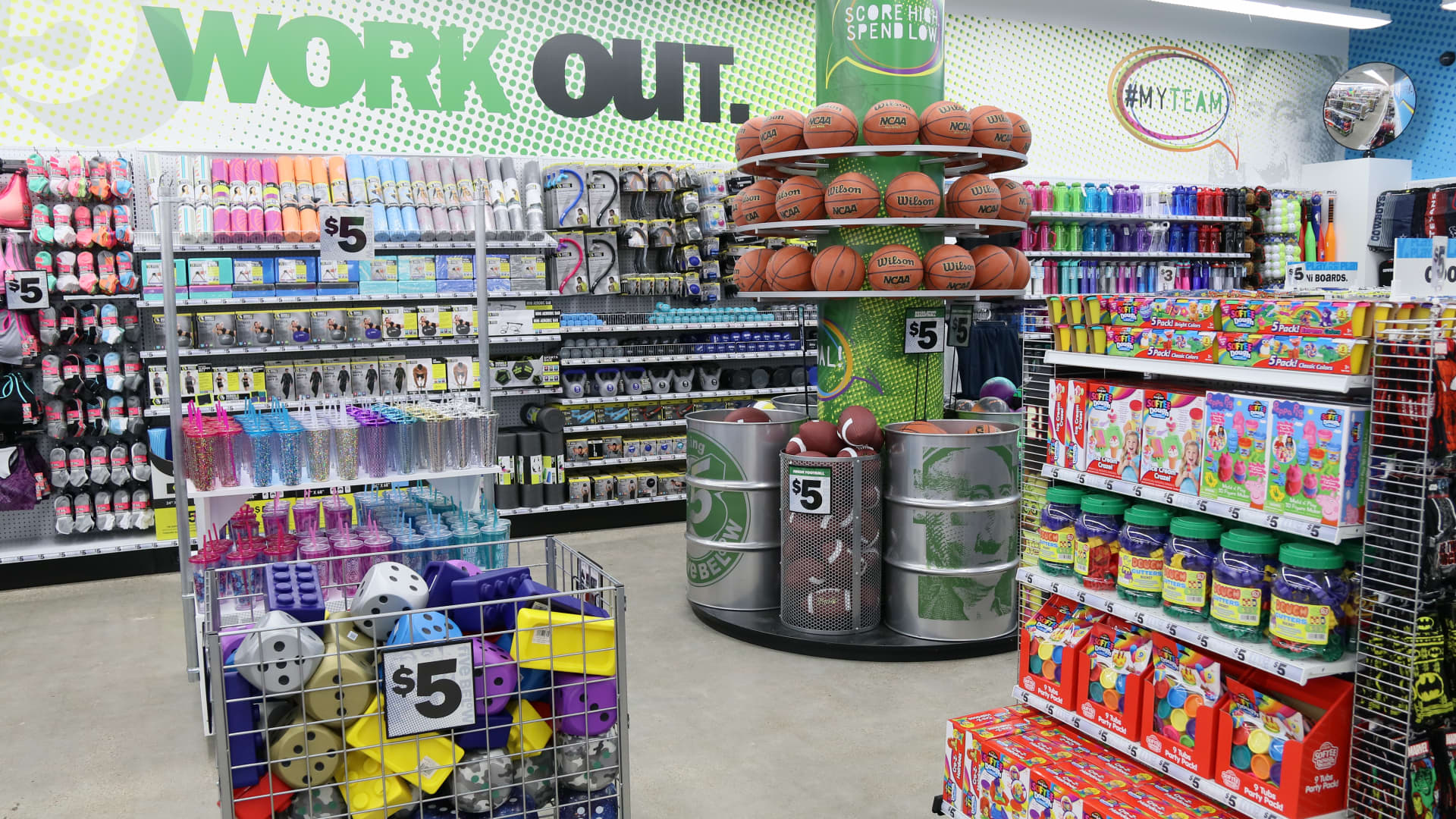
Retailers are employing diverse strategies to mitigate tariff impacts, with varying success. Abercrombie & Fitch, despite extensive supply chain diversification and inventory front-loading, tightened its annual profit forecast due to a higher-than-expected $90 million tariff hit, primarily from non-China sources. Best Buy has also front-loaded inventory and reduced China reliance, while Five Below, highly exposed to China, leverages its flexible product assortment to manage costs. Industry experts anticipate tariffs to be a greater headwind in the second half of the year, with larger, essential-goods retailers better positioned than general merchandise firms, and consumer price sensitivity remaining a critical unknown for the broader market.
Retailers are employing highly varied strategies to mitigate tariff impacts, and the effectiveness of these approaches is not uniform across the sector. A key insight from the container data is that supply chain diversification away from China is not a guaranteed shield against margin pressure. Abercrombie & Fitch, for instance, sources only 9% from China but has tightened its annual profit forecast, increasing its expected tariff-related margin hit from $50 million to $90 million due to higher-than-anticipated levies in other countries like Vietnam and India. This contrasts sharply with Five Below, which has a 72% exposure to China but is perceived as more resilient due to its flexible business model; it can opportunistically change its product assortment to avoid tariff-laden goods, an advantage not shared by retailers like Best Buy or Abercrombie that must carry specific core items. Industry experts forecast that tariff headwinds will intensify in the second half of the year, disproportionately affecting general merchandise-heavy retailers like Best Buy and Target. In contrast, large-scale retailers with significant food and consumable sales, such as Walmart and Costco, are considered better positioned to absorb or manage these costs without significant consumer impact. The ultimate variable remains consumer price sensitivity, which will dictate the extent to which retailers can pass on costs versus absorbing them.
AI-powered research, real-time alerts, and portfolio analytics for institutional investors.
Overall Sentiment
Mildly Negative
Sentiment Score
-0.20
Ticker Sentiment
