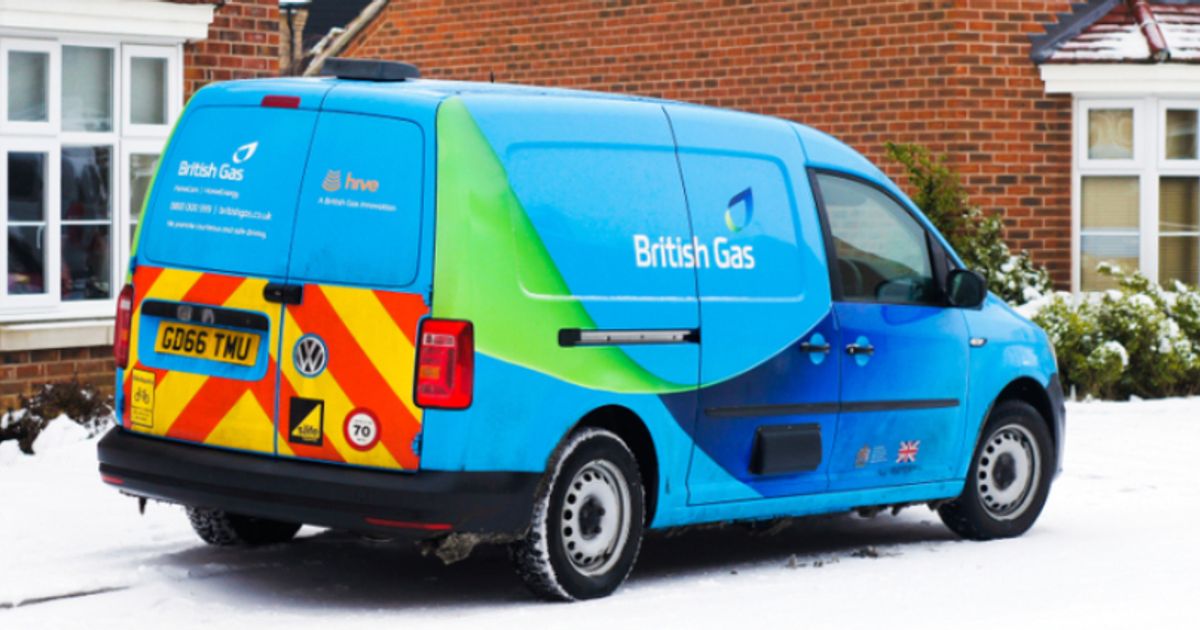
Centrica shares slid about 8% after management paused the share buyback to prioritise capital allocation into infrastructure, including a £1.3bn capped investment in the 3.2GW Sizewell C project (with £376m equity committed) and acquisition of a 50% stake in the Grain LNG terminal for roughly £200m of equity. Capital expenditure surged to £1.23bn in 2025 (from £564m), producing a free cash outflow of £167m versus a £989m inflow a year earlier; adjusted EBITDA fell to £1.4bn from £2.3bn and adjusted operating profit to £814m from £1.55bn amid lower commodity prices and nuclear outages. The company nonetheless raised its full-year dividend by 22% to 5.5p, returned £1.1bn to shareholders during the year, and finished with adjusted net cash of just under £1.5bn (down from £2.9bn).
Market structure: Centrica’s buyback pause redistributes capital toward capital-intensive regulated/contracted assets (Sizewell C £1.3bn cap; Grain LNG ~£200m equity). Winners: EPC contractors, regulated-asset owners (NG.L, SSE.L), and LNG traders who gain incremental capacity; losers: income-focused equity holders and short-term gas trading P&L. Cross-asset: expect near-term BB spreads on Centrica paper to widen +50–150bp, GBP weakness vs EUR/GBP if UK risk premia rise, and downward pressure on prompt UK gas prices as Grain adds supply. Risk assessment: Tail risks include major Sizewell C cost overruns or UK political reversal (low prob, high impact → >£1bn incremental cash need), LNG terminal underutilization, or a 100–200bp rise in funding costs that makes projects uneconomic. Immediate (days): equity volatility and bond spread widening; short (3–6 months): cash burn and potential dividend stress if adjusted net cash falls below £1.0bn; long (2–5 years): value accretion if contracted revenues commence. Hidden dependency: realisation hinges on government support/terms (CfD/guarantees) and third‑party offtake contracts. Trade implications: Tactical short bias near-term on sentiment (3–12 weeks) but selective long-term exposure if projects hit milestones. Consider hedged option structures to monetize volatility while keeping upside optionality; rotate core capital into higher-quality regulated utilities (NG.L, SSE.L) and contractors exposed to nuclear EPC work. Key catalysts: UK government project approvals, Sizewell C revenue-commencement notices, quarterly cash-flow updates (next 60–120 days). Contrarian angle: The market may be over-penalising Centrica for pausing buybacks — adjusted net cash ~£1.5bn and a growing regulated asset base could re-rate earnings in 24–36 months once contracted cashflows start. Historical parallel: National Grid’s mid-cycle acquisitions depressed EPS then re-rated as regulated income materialised. Risk: if execution fails, investors who chased dip without hedges suffer heavy drawdowns.
AI-powered research, real-time alerts, and portfolio analytics for institutional investors.
Request DemoOverall Sentiment
moderately negative
Sentiment Score
-0.45
