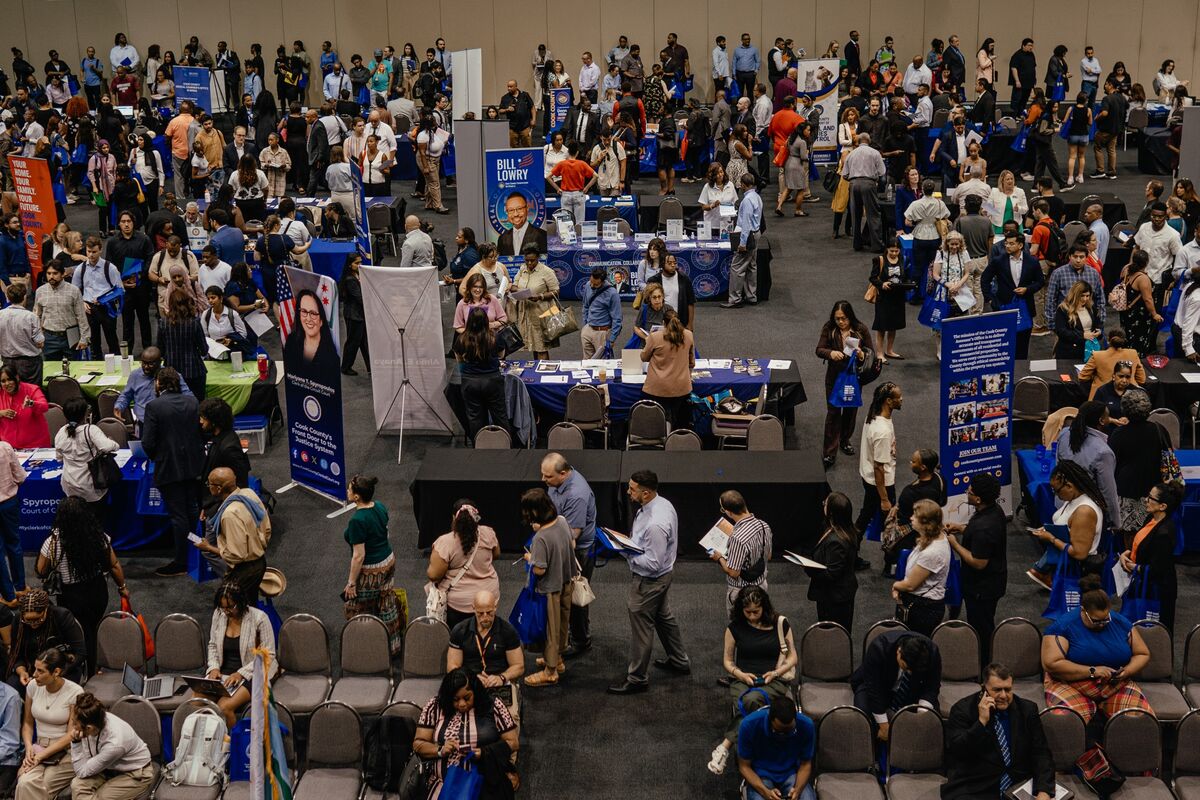
Disappointing employment data released today has fueled concerns over a significantly weaker-than-expected labor market, with Morgan Stanley economists labeling it a 'no-hire labor market.' This unexpectedly soft jobs report introduces considerable uncertainty regarding market direction, potentially signaling either an impending climb or slide.
A significantly weaker-than-expected employment report has raised material concerns about a sharp deceleration in the U.S. labor market. This sentiment is amplified by commentary from Morgan Stanley economists, who have characterized the current environment as a 'no-hire labor market.' The report introduces a high degree of uncertainty, creating a binary outlook where markets could either rally on expectations of a more dovish Federal Reserve policy or decline on fears of an impending economic slowdown. The situation is further complicated by political dynamics, with allies of former President Trump already assigning blame to the Federal Reserve. The overall 'moderately negative' sentiment and high market impact score of 0.65 underscore the report's significance as a pivotal data point for near-term market direction.
AI-powered research, real-time alerts, and portfolio analytics for institutional investors.
Request DemoOverall Sentiment
moderately negative
Sentiment Score
-0.50
Ticker Sentiment
