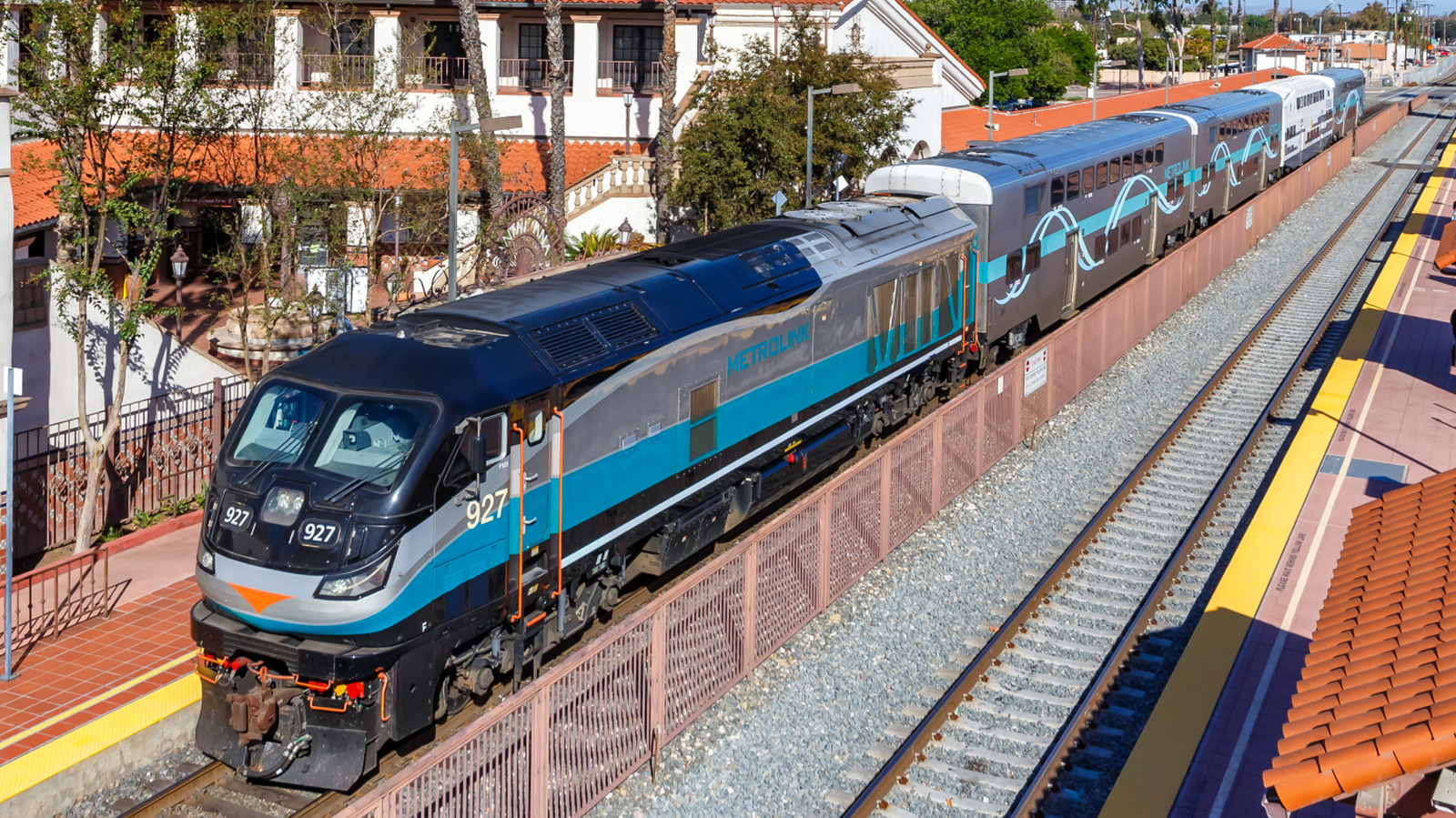
Historic gas prices tied to the Iran war narrative are being linked to higher public transit ridership, with California seeing the largest pressure as the national average tops $4.50 per gallon and California averages about $6.14. Reported gains include San Diego transit up 6.5%, Metrolink up 4%, and San Francisco Muni posting its highest monthly ridership since 2020. The piece also highlights funding stress at transit agencies, including a $590 million emergency loan for Bay Area transit and a near-implemented 40% CTA service cut tied to a $770 million deficit.
The first-order read is not “transit is back,” but that fuel prices are starting to act as a tax on discretionary vehicle use, which tends to hit the outer-ring suburban commute first. That matters because the marginal rider is usually higher-income and less fare-sensitive, so even a modest conversion from car to rail/bus can be sticky if gas stays elevated for another 2-3 months. The bigger second-order effect is on local budgets: agencies get modest fare relief, but the real pressure shifts to municipalities already facing higher service and pension costs, which means funding fights likely intensify into the next budget cycle rather than resolve with higher ridership.
The market implication is a relative winner/loser setup across transportation modes. Urban rail and commuter operators with existing capacity and recent network improvements should capture incremental utilization with limited marginal opex, while highway toll-road volumes, parking operators, and fuel retailers face a softer near-term traffic profile if the behavior change persists. A meaningful gas-price shock also nudges mode substitution toward rail and intercity buses before it fully shows up in labor-market data, so the cleanest read-through is to mobility mix, not just headline consumption.
The contrarian point is that this may be less about a durable transit renaissance than about consumers arbitraging a temporary cost spike. If gasoline rolls over in 4-8 weeks, ridership momentum can fade quickly because service quality constraints and frequency gaps still limit transit’s ceiling. The true bullish case for transit equities and funding is not a one-month demand pop; it is a prolonged fuel-price regime above the psychological threshold where households re-optimize commute patterns and local governments are forced into structural subsidies.
AI-powered research, real-time alerts, and portfolio analytics for institutional investors.
Request DemoOverall Sentiment
mildly negative
Sentiment Score
-0.25
