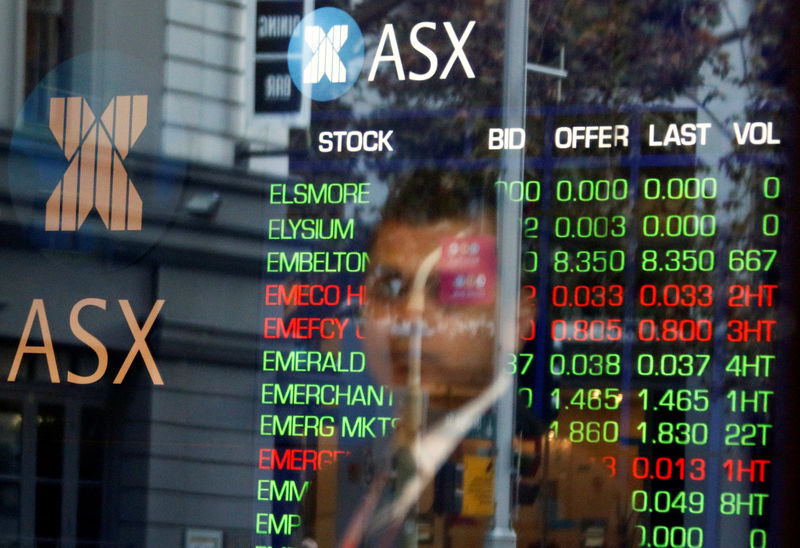
Crude oil rose 1.23% to $70.08 a barrel and Brent gained 0.96% to $73.30 as renewed US-Iran strikes in the Middle East lifted geopolitical risk premia. Gold futures slipped 0.52% to $4,074.97, while the S&P/ASX 200 added 0.68% and its VIX fell 2.24% to 11.46, a new 3-month low. The article also notes AUD/USD was flat at 0.69 and the US Dollar Index futures edged down 0.05% to 101.08.
The market is treating the oil move as a simple geopolitics headline, but the bigger signal is regime shift: crude grinding higher while implied vol in equities makes new lows is classic “complacent risk / expensive hedge” behavior. That creates a favorable setup for energy beta without requiring an outright panic spike; the first-order beneficiary is upstream cash flow, but the second-order winners are refiners, oilfield services, and any balance-sheet-sensitive producers that can re-rate on FCF durability.
The most vulnerable assets are duration proxies disguised as defensives: infrastructure, utilities-like toll operators, and highly levered property cash-flow names. A sustained move in Brent into the low/mid-$70s does not need to be dramatic to pressure consensus on rates, transport costs, and inflation breakevens; that matters because it can delay multiple expansion in growth while compressing earnings quality in rate-sensitive sectors over the next 1-3 months.
The contrarian angle is that this is not yet a broad inflation shock; FX is stable and gold is not confirming panic, which suggests the market still believes the conflict remains contained. If that view is right, energy longs should be expressed tactically, not as a macro thesis—because any de-escalation headline can unwind the move fast, especially given low vol and thin positioning. The asymmetric edge is in owning upside convexity in oil while fading rate-sensitive cash-flow names that are pricing in a benign macro backdrop.
AI-powered research, real-time alerts, and portfolio analytics for institutional investors.
Overall Sentiment
neutral
Sentiment Score
0.12
Ticker Sentiment
