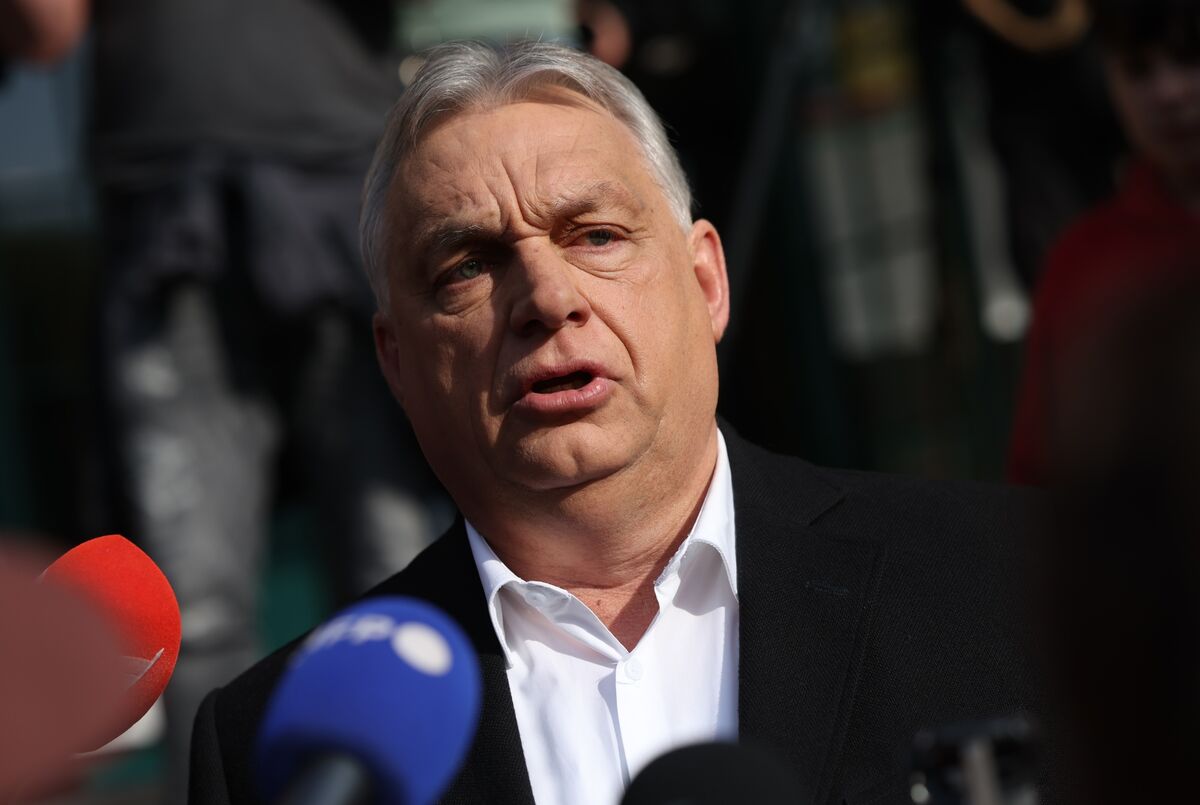
About 400 journalists are losing their jobs as Mediaworks Hungary Zrt. reportedly issues termination notices and shutters or rationalizes several publications after Viktor Orban’s election defeat. The collapse of the pro-Orban media empire marks a major setback for the former ruling party’s media infrastructure. The event is politically significant but likely limited in direct market impact.
This is less an isolated labor event than a forced monetization reset across an entire political media stack. The first-order damage is to cash flow, but the second-order effect is a rapid repricing of distribution power: once the state-aligned content machine loses staffing, editorial cadence, and local reach, adjacent outlets compete for the same audience and advertising relationships, accelerating share migration to digital-native and cross-border platforms. The winners are likely independent online publishers, broadcasters with stronger commercial management, and international ad-tech intermediaries that can absorb displaced inventory at lower cost.
The bigger signal is governance fragility. A politically protected media group can function like a subsidy until the regime changes; once that support disappears, the asset base often proves structurally overstaffed and under-optimized. That creates a classic restructuring cascade over the next 3-12 months: severance costs, content degradation, lost circulation, and then fire-sale asset disposals at depressed multiples. If there is any creditor exposure, this is the phase where covenant pressure and working-capital stress tend to surface, not at the headline layoff event.
From a market perspective, the trade is not in the specific names here but in the broader anti-incumbent media and governance complex. The contrarian angle is that the collapse may be more bullish for aggregate media spending efficiency than bearish for the sector: fewer low-ROI outlets can lift pricing power for better-run peers, while advertisers reallocate budgets toward measurable channels. The key risk to that view is political reversal or emergency support within weeks, which would convert this from a liquidation story into a managed downsizing and blunt the second-order benefits.
AI-powered research, real-time alerts, and portfolio analytics for institutional investors.
Request DemoOverall Sentiment
strongly negative
Sentiment Score
-0.65
