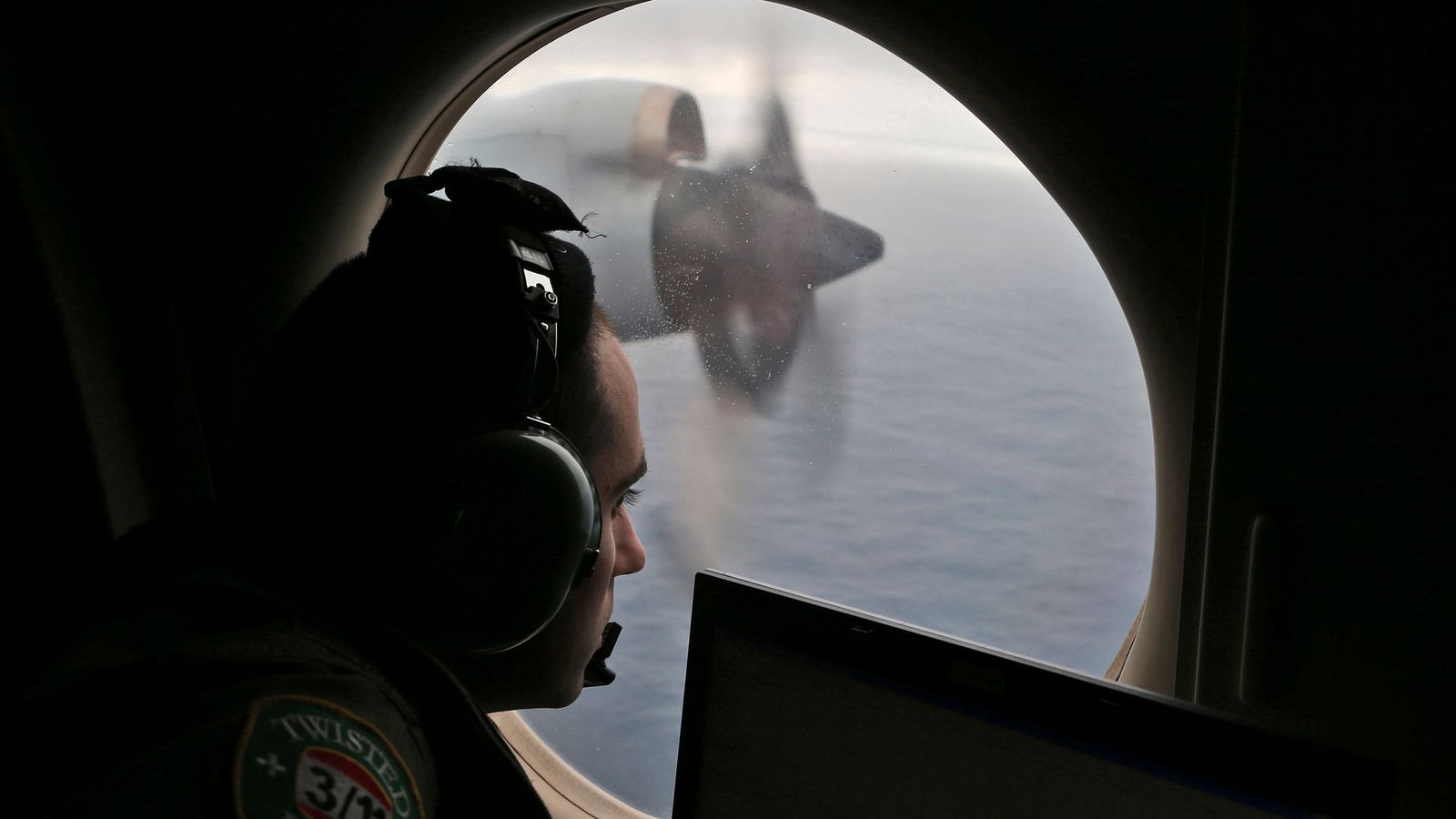
An Ocean Infinity-led deep-sea search for Malaysia Airlines flight MH370 has resumed more than 11 years after the Boeing 777 vanished on 8 March 2014 with 239 people aboard; the Malaysian government reported the search vessel Armada 86 05 has arrived in an undisclosed southern Indian Ocean area with two autonomous underwater vehicles. Malaysia approved a contingent “no-find, no-fee” contract under which Ocean Infinity would receive $70m only if wreckage is discovered; the company previously conducted an unsuccessful private search in 2018 and halted operations earlier this year due to poor weather. The search is described as an intermittent 55-day effort staged from Fremantle Port, but the exact search coordinates remain undisclosed, limiting immediate commercial or market ramifications beyond a potential contingency payment to the contractor.
Market structure: The restart of MH370 seabed operations is a demand shock for high-end AUVs, deep-tow sensors and niche vessel days; winners are specialist marine-robotics and seabed-mapping suppliers (AUV OEMs, sensor makers, contract survey firms) while commodity airlines/airframe OEMs see negligible direct impact. Pricing power will accrue to owners of advanced AUV fleets and capable survey vessels — expect day-rates and premium equipment rental margins to rise 10–30% in constrained windows (weather-limited seasons) over the next 6–18 months.
Risk assessment: Tail risks include discovery-triggered regulatory/legal scrutiny that could retroactively affect Boeing (BA) litigation exposure (low probability, high impact) and operational risks like lost equipment or weather suspension that blow out search costs; immediate newsflow (days–weeks) matters for equities, while capex responses play out over 3–18 months. Hidden dependencies: satellite/metadata providers, port logistics in Australia and seasonal weather windows will determine hit/miss outcomes; a confirmed debris find is the binary catalyst that would re-rate service providers and bring insurers into play.
Trade implications: Tactical longs in publicly listed subsea tech/survey names (e.g., Teledyne TDY, Kongsberg KOG.OL, Fugro FUR.NV) offer asymmetric returns if follow-on contracts materialize; size modest (1–3% per name) with 6–12 month horizons and stops of ~18–20%. Use 6–9 month call spreads to capture upside while limiting premium (allocate 0.5–1% portfolio to options) and consider a relative trade long Fugro (survey/tech) vs short commodity offshore E&P services (e.g., RIG) to express tech/structural outperformance.
Contrarian angles: Consensus underestimates follow-on industrial capex — a successful publicized search could accelerate budgets for AUV fleets and black-box retrieval tech, creating a multi-year demand cycle (2026–2028) that markets have not priced. Conversely, the market may briefly overreact to any BA-linked headlines; those dislocations (days–weeks) create tactical hedging/entry opportunities rather than long-term negative thesis on BA fundamentals.
AI-powered research, real-time alerts, and portfolio analytics for institutional investors.
Request DemoOverall Sentiment
neutral
Sentiment Score
0.00
Ticker Sentiment
