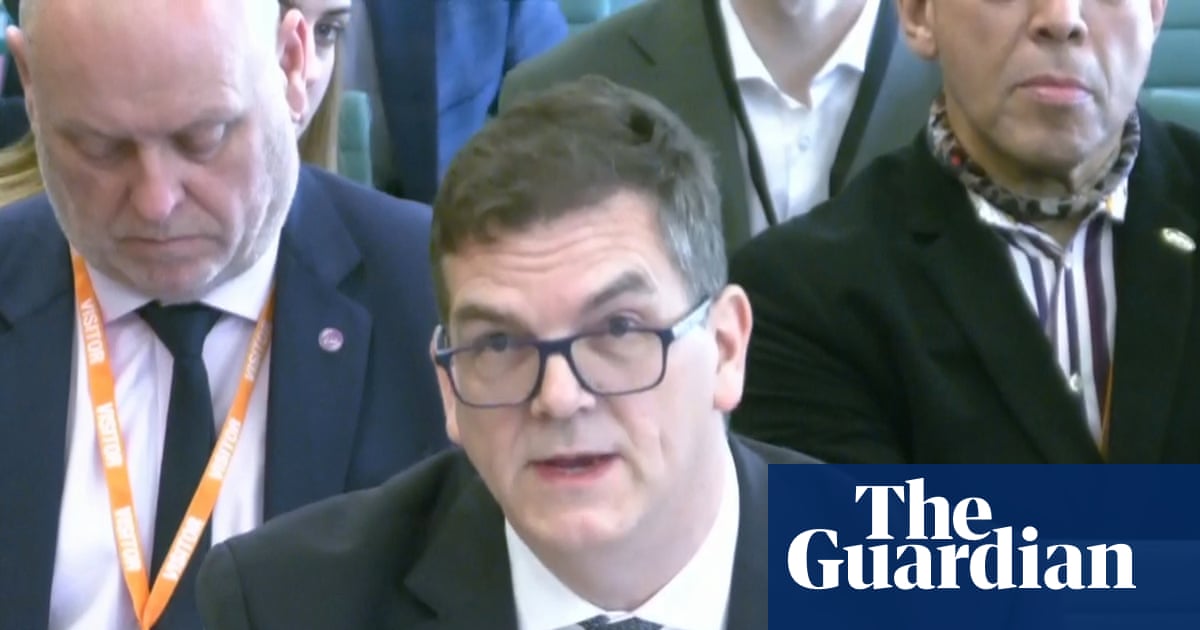
The article says former senior civil servant Oliver Robbins was sacked after disclosing that he overturned a UK Security Vetting recommendation to deny Peter Mandelson clearance, amid claims of political pressure from No 10. Robbins told MPs he never informed Starmer, David Lammy or other No 10 officials of the adverse vetting finding, while also confirming sensitive documents on the process were considered for withholding from parliament. The fallout raises questions about Starmer’s judgment and the handling of a politically sensitive ambassadorial appointment, but the direct market impact is likely limited.
This is less about one ambassador and more about the market pricing of institutional process risk in the UK. The second-order effect is that the real damage accrues to Downing Street’s operating credibility: once career officials feel pressure can override clearance standards, the cost of future appointments rises through slower execution, more defensive record-keeping, and a higher probability of leaks. That tends to be negative for domestically exposed UK assets only indirectly, but it is clearly a drag on the government’s ability to push through any agenda requiring tight civil-service cooperation.
The near-term catalyst is political, not economic: a change in Labour MP support would matter most over the next 1-4 weeks, because it would reprice the odds of an early leadership wobble well before any policy impact shows up in fundamentals. If the story broadens into a wider pattern of No 10 pressure on appointments, the issue stops being reputational and becomes governance-related, which usually hits sterling-sensitive UK risk premia first. The key risk is that this is still a narrative trade unless it contaminates broader cabinet cohesion or triggers a formal inquiry with new disclosures.
The contrarian view is that the initial market reaction may overestimate the macro significance. A government can survive a governance scandal if growth data are weak enough to keep investors focused on rates and fiscal loosening rather than personnel drama. The bigger medium-term risk is not Starmer personally, but that civil-service distrust slows state capacity at exactly the moment the market wants planning reform, infrastructure delivery, and cleaner regulatory signaling.
AI-powered research, real-time alerts, and portfolio analytics for institutional investors.
Request TrialOverall Sentiment
moderately negative
Sentiment Score
-0.35
