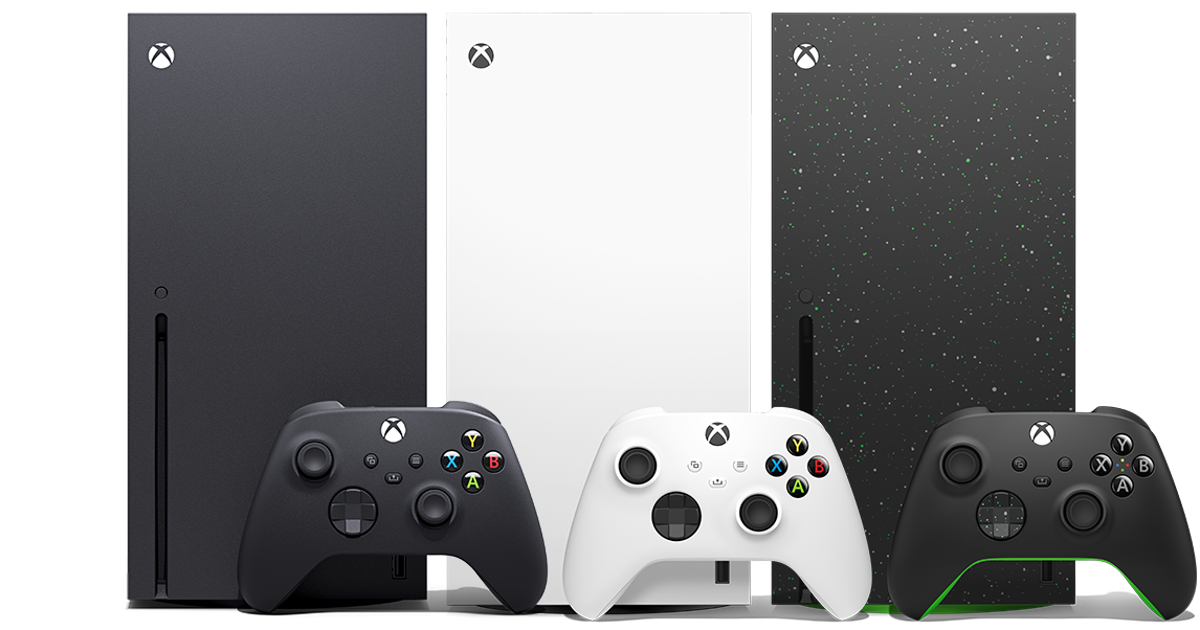
Microsoft Gaming is reverting to the Xbox brand and refocusing its strategy around daily active players as the key KPI, while reaffirming the console remains central to future plans. Management said it will re-evaluate exclusivity and AI approaches and support the next-gen Project Helix console with AMD, alongside more flexible pricing for Game Pass. The recent Game Pass price cuts to $22.99 for Ultimate and $13.99 for PC signal a more consumer-friendly stance, though the article is largely strategic rather than financially material.
The important read-through is that management is implicitly admitting the old monetization ladder was fraying, and they are now optimizing for engagement density rather than near-term ARPU. That usually favors the platform owner in the long run, but it can pressure premium-content economics in the near term because a “daily active players” KPI pushes more aggressive pricing, broader accessibility, and less reliance on exclusivity as a value lever. The second-order effect is that the ecosystem may become less winner-take-all around any single title and more balanced across hardware, services, and recurring content spend.
AMD is the clearest listed beneficiary because a refreshed console cycle improves the durability of semi-custom demand and gives the company a multi-year design-win narrative with low headline volatility. If the new box is positioned as affordable and open, that can expand addressable unit volume versus a pure halo-product strategy, which matters more for AMD than the absolute launch unit count. The risk is timing: console ramps are notoriously back-end loaded, so the market may front-run the design-win while the revenue inflects only over 6-12 months, creating an easy setup for disappointment if launch cadence slips.
The more subtle competitive loser is any company monetizing through scarcity, exclusivity, or high-priced subscriptions. A willingness to revisit exclusivity windows suggests management sees an elasticity problem, which is usually a warning sign that consumers are trading down or churning faster than internal models captured. If that diagnosis is correct, the next 1-2 quarters should bring more pricing experimentation across games and subscriptions, but if engagement fails to recover, the strategy can quickly flip from growth-friendly to margin dilutive.
Contrarian view: the market may underappreciate that this is less a pro-growth pivot than a defensive reset aimed at stabilizing user retention. In that case, the positive reaction to the branding change could be overdone because branding itself does not fix content cadence or hardware adoption. The real catalyst is whether daily active players actually inflect after the pricing reset; if not, investors will likely re-rate the franchise on slower growth and lower monetization quality within 3-6 months.
AI-powered research, real-time alerts, and portfolio analytics for institutional investors.
Request TrialOverall Sentiment
mildly positive
Sentiment Score
0.15
Ticker Sentiment
