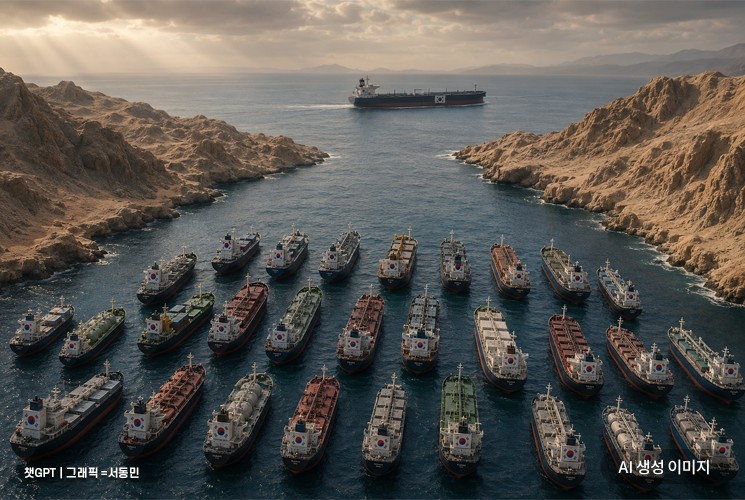
Oil markets reacted to reports of a principled US-Iran agreement, with WTI crude futures down about 4.8% and Brent down 4.3% as expectations grew for the Strait of Hormuz to reopen. But normalization of shipping could take months: roughly 1,500 to 2,000 vessels are reportedly stranded, mine clearance may take several weeks, and ADNOC's CEO said traffic may not recover to 80% of pre-war levels for at least four months, with full normalization possibly delayed until next year.
The market is pricing the headline de-escalation faster than the physical system can re-route, which creates a classic spread trade between paper oil and real-world logistics. The first-order move is lower crude, but the second-order winner is the owners of optionality in transport and inventory: anyone with flexible sourcing, floating storage, or non-Gulf supply exposure can arbitrage the lag between sentiment normalization and actual throughput recovery. That argues the move in energy equities tied to near-term price relief may be less durable than the move in freight, insurance, and disruption-sensitive industrial inputs.
Consensus is likely underestimating the duration of the “friction tax.” Even if barrels are technically available, mine clearance, convoy protocols, and insurance repricing tend to keep effective capacity below nominal capacity for weeks to months, which means prompt barrels can stay bid versus deferred barrels. That supports a flatter-to-backwardated physical curve in the near term even if front-month futures soften, and it also means downstream users with low inventory coverage remain exposed to a second spike if any clearance or security step is delayed.
The more interesting contrarian angle is that the market may be overestimating how quickly shipping costs normalize. Vessel owners and underwriters can embed geopolitical risk premiums for much longer than crude traders expect, so the persistent earnings uplift may accrue to non-obvious beneficiaries in marine logistics and defense-adjacent monitoring/clearance rather than to the obvious oil majors. If the peace process stalls or a single transit incident occurs, the rebound in oil can be violent because positioning is likely to flip from risk-off to underweight supply shock in a very short window.
For the broader macro tape, lower headline oil is supportive for cyclicals and duration-sensitive assets, but if the shipping bottleneck persists it will show up as an input-cost lag rather than an immediate consumer benefit. That creates a window where inflation prints can stay sticky even as crude retraces, which is precisely the setup that can trap consensus long-duration trades if they extrapolate spot prices instead of delivered-cost inflation.
AI-powered research, real-time alerts, and portfolio analytics for institutional investors.
Request DemoOverall Sentiment
neutral
Sentiment Score
-0.05
Ticker Sentiment
