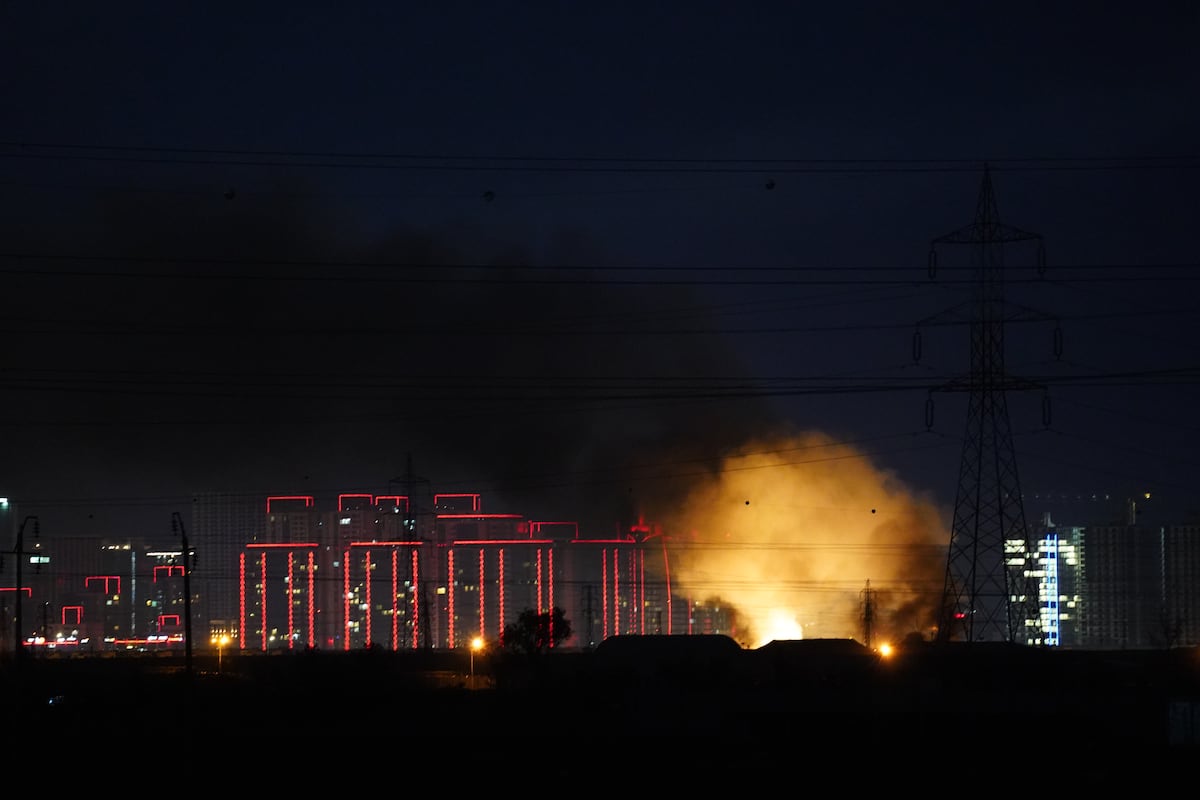
Iranian strikes hit multinational bases in Erbil (Iraq) and Al Azraq (Jordan), triggering air defenses and sending German troops into shelters; an Iranian drone also struck RAF Akrotiri in Cyprus with no casualties and only limited damage. The EU reiterated sanctions on Iran’s Revolutionary Guards, extended the Operation Aspides naval mission for a year and authorized two additional French warships (bringing the mission to five), while Spain and Germany each estimate over 30,000 citizens are in the region. These developments increase near-term geopolitical risk, with potential implications for regional military posture, Red Sea shipping security and energy-route risk premia that could pressure markets in a risk-off environment.
Market structure: European military strikes and Iranian reprisals raise near-term demand for defense hardware, air‑defense, ISR and naval escorts while depressing travel, tourism, and regional logistics. Expect outsized gains for prime defense contractors with export-heavy revenues and European suppliers able to capture accelerated procurement (potential 5–15% revenue bump over 12–18 months if EU governments reallocate budgets). Energy and shipping see upside risk-premia: oil/insurance spreads can widen rapidly, shifting freight routing and increasing container/shipping costs by low-double digits if incidents persist.
Risk assessment: Tail scenarios include a broader Iran–NATO engagement or sustained strikes on Gulf infrastructure sending Brent >$120 (>$30 spike) and S&P down 10–20% within weeks. Immediate window (days) is volatility spikes and safe-haven flows; short-term (weeks–months) is re‑pricing of defense capex and travel earnings; long-term (quarters–years) is persistent higher defense budgets and regional supply-chain reshoring. Hidden dependencies: European fiscal constraints, escalation ladders with Israel/US, and insurance market capacity (P&I and hull) which can nonlinearly amplify trade disruptions.
Trade implications: Favor overweight defense and energy, underweight travel/leisure and EM cyclical exposure. Buy selective long-dated defense equities and commodity convexity (oil call spreads); hedge equity beta with sovereign bonds and gold. FX: expect USD strength—short EM FX and increase USD-hedged exposures if risk-off deepens.
Contrarian view: Consensus assumes limited escalation; that underprices durable European defense budget increases and onshore procurement — a multi‑year structural revenue tailwind for primes and European tier‑1 suppliers. Reaction in travel stocks may be overdone—selective regional airlines with diverse networks (long-term contracts) will recover; avoid indiscriminate shorts. Historical parallels (Houthi/2019) show mean reversion in oil in 3–6 months, so convex option exposure is preferable to outright long commodity positions.
AI-powered research, real-time alerts, and portfolio analytics for institutional investors.
Request TrialOverall Sentiment
moderately negative
Sentiment Score
-0.45
