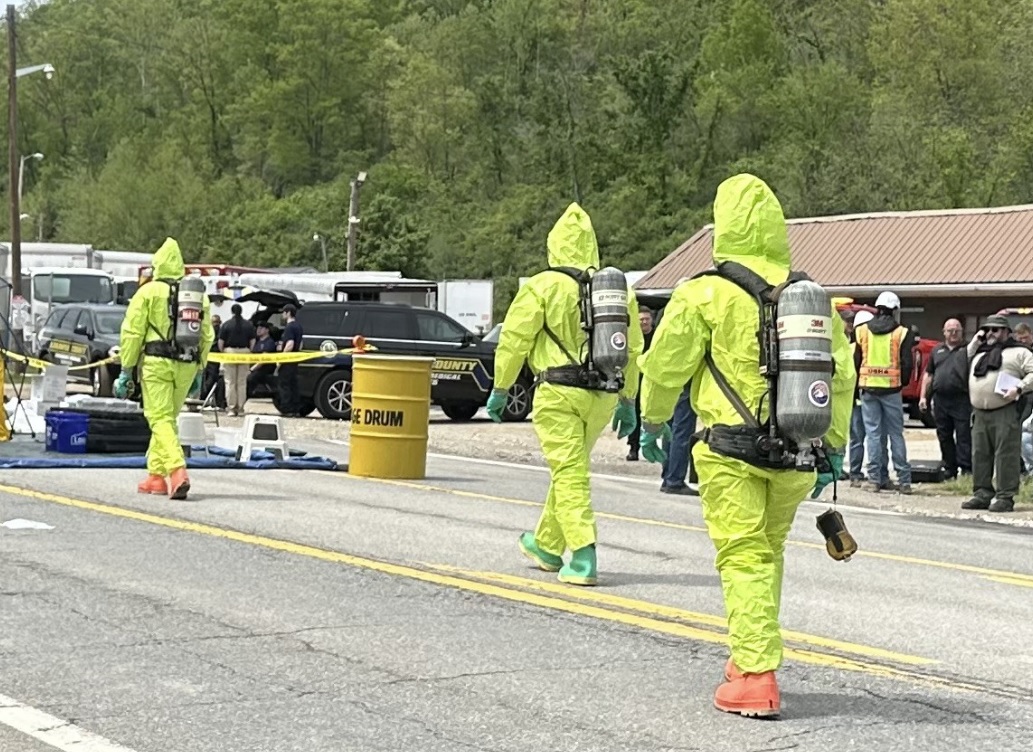
Two workers were killed and one was critically injured during decommissioning work at Ames Goldsmith Catalyst Refiners in Nitro, West Virginia, after a chemical reaction involving M2000A and nitric acid reportedly produced toxic hydrogen sulfide fumes. Roughly 30-45 people were treated on site and 21 were evaluated at hospitals, while 12 patients were treated at Thomas Memorial and seven ambulance crew members were hospitalized after contamination. The incident triggered shelter-in-place orders, route closures, and likely OSHA, DEP, and National Chemical Safety Board investigations.
This is less a one-off tragedy than a shutdown-liability event that can metastasize into a multi-month cash drain. The immediate market implication is for the parent/related operating entity to absorb investigation costs, remediation, legal claims, and possible permit/insurance disputes while simultaneously accelerating decommissioning spend into a compressed timetable. In a small-facility setting, fixed costs do not disappear with closure; they often reappear as termination, environmental, and indemnity obligations that can consume any remaining asset-sale value.
The second-order risk is that the incident raises the bar for every other industrial decommissioning project in the region. Expect regulators and insurers to treat tank cleaning, chemical neutralization, and contractor oversight as higher-risk processes, which likely means slower closures, higher bond requirements, and tighter coverage terms across specialty chemicals and industrial services. That is a negative read-through for smaller operators with aging assets and limited safety redundancy, while better-capitalized peers with documented EHS controls may gain relative share as customers prefer lower execution risk.
The timeline matters: the next 2-6 weeks are about headlines, agency findings, and potential work stoppages; the next 3-9 months are about OSHA/chemical-safety conclusions, insurance recoverability, and civil exposure. The key contrarian point is that the market may underprice the tail risk if it assumes closure limits liability — decommissioning is often when latent process hazards are most dangerous and when insurers are most aggressive about exclusions, especially if improper chemical sequencing or contractor oversight is alleged.
AI-powered research, real-time alerts, and portfolio analytics for institutional investors.
Request TrialOverall Sentiment
extremely negative
Sentiment Score
-0.85
