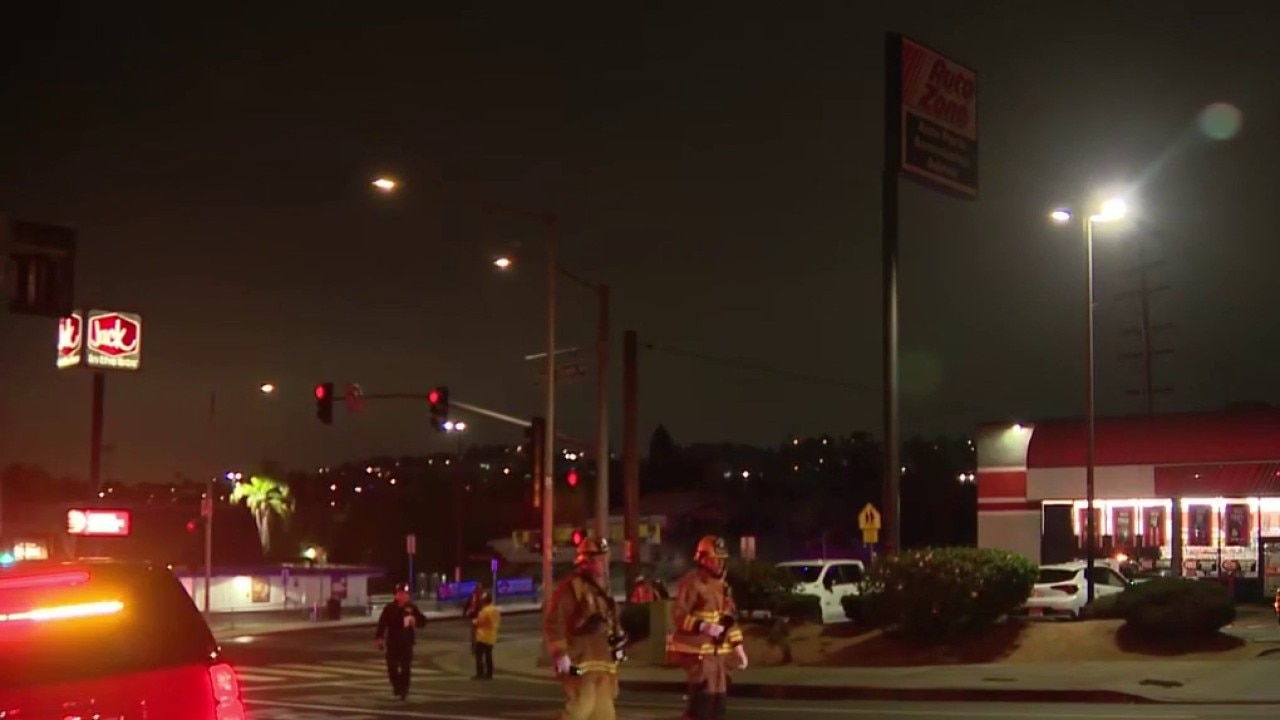
An underground 16-inch crude oil pipeline from Kern County to the Port of Long Beach ruptured in East Los Angeles, spilling at least 2,400 gallons into streets, storm drains, and the Los Angeles River. The flow was shut down within 30 minutes, no injuries were reported, and officials said cleanup and repairs will take days while investigators determine the final spill volume and cause. The incident creates localized environmental and traffic disruption, but is unlikely to have broad market impact.
This is a localized, non-catastrophic oil logistics shock, but the second-order effect is that it increases the probability of tighter permitting and higher operating friction for midstream assets running through dense urban corridors. The immediate economic damage is not the lost barrels; it is the combination of cleanup downtime, inspection drag, and a likely step-up in municipal and state scrutiny around aging intracity lines, which can extend repair timelines beyond the stated days if regulators push for integrity testing across adjacent segments.
For market structure, the incident is mildly supportive for alternative transport and storage optionality rather than for crude prices themselves. Any sustained disruption on the Kern-to-port route would be a modest tailwind for Gulf Coast and coastal terminal operators, but the bigger beneficiary is anyone with spare takeaway capacity or marine access that can arbitrage localized logistics bottlenecks. The flip side is negative for pipeline operators with exposed urban easements: this adds to the probability of higher insurance costs, more frequent valve/SCADA upgrades, and slower capex deployment.
The contrarian point is that the market may overestimate ESG headline risk and underestimate the actual earnings impact: a single spill rarely moves sector fundamentals, but repeated incidents create a compounding cost of capital effect over months and quarters. If regulators use this event to justify broader right-of-way restrictions or accelerated replacement mandates, the winner is not necessarily clean energy broadly, but regulated utilities and infrastructure names with safer, rate-based returns versus unregulated midstream. The key catalyst to watch is whether cleanup remains a 1-2 week operational issue or becomes a multi-month compliance event.
AI-powered research, real-time alerts, and portfolio analytics for institutional investors.
Request DemoOverall Sentiment
moderately negative
Sentiment Score
-0.45
