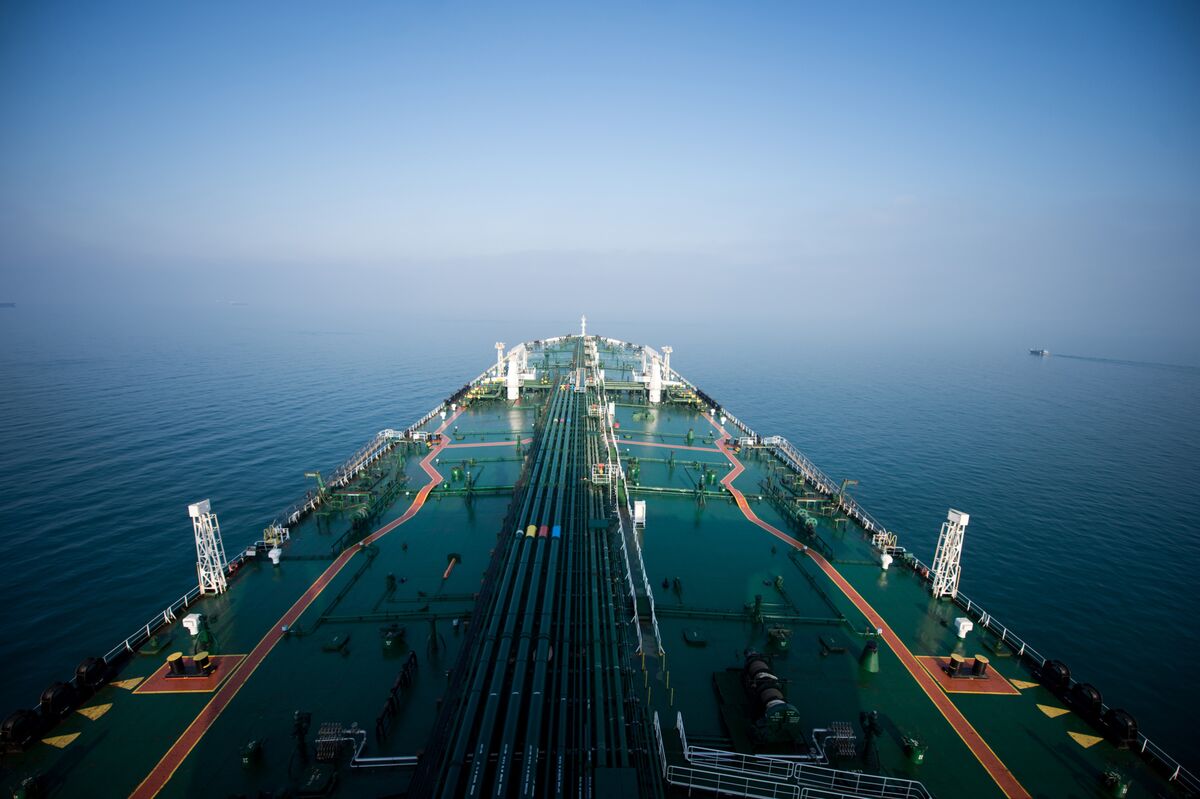
Russia's seaborne crude exports surged to a one-month high, averaging 3.23 million barrels per day in the four weeks to July 13, marking a 3% increase from the prior period and exceeding the year-to-date average. This rebound, which coincided with a sharp decline in domestic refinery runs, occurred ahead of President Trump's recent threat of secondary tariffs on buyers of Russian oil, suggesting potential future volatility for these elevated export volumes.
Russia's seaborne crude exports have demonstrated a significant rebound, reaching a one-month high of 3.23 million barrels per day in the four-week period ending July 13, a 3% increase over the prior period. This surge in export volumes, which brings flows slightly above the year-to-date average, directly coincides with a sharp reduction in domestic refinery operations, suggesting a diversion of crude from internal processing to the global market. Crucially, this export strength was recorded just before the emergence of a significant geopolitical risk: a threat from U.S. President Donald Trump to impose secondary sanctions on buyers of Russian oil. This impending threat introduces substantial uncertainty, as the current high export levels could face significant disruption if sanctions are implemented, potentially impacting global oil supply dynamics.
AI-powered research, real-time alerts, and portfolio analytics for institutional investors.
Request DemoOverall Sentiment
mixed
Sentiment Score
0.00
