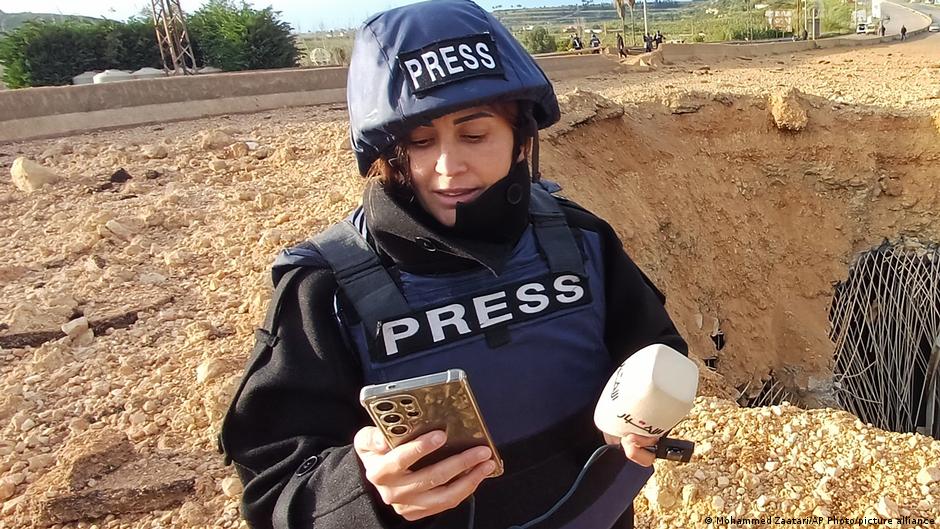
Lebanon said Israeli airstrikes killed journalist Amal Khalil while she was reporting in southern Lebanon, bringing the year’s journalist death toll in the country to nine. Prime Minister Nawaf Salam accused Israel of war crimes, while Reporters Without Borders and the Committee to Protect Journalists condemned the obstruction of rescue efforts. The incident underscores ongoing Israel-Hezbollah tensions despite a ceasefire in place since April 16.
This is less about the immediate tragedy and more about the erosion of the ceasefire’s credibility curve. When rescue access is contested and reporting operations become casualty vectors, the conflict moves from a military event to a governance/liability problem, increasing the probability of miscalculation, retaliatory escalation, and international pressure on any party seen as obstructing humanitarian response.
The second-order market implication is not broad risk-off so much as a slow rebuild in geopolitical risk premium across adjacent pockets: defense primes, ISR/surveillance, hardened communications, and cyber/secure networking all benefit if the market starts pricing a longer-duration Lebanon front. The more underappreciated loser is any company with exposure to Levant logistics, cross-border trucking, port throughput, or regional ad budgets tied to media operations; even if not directly named, these industries face a tail of localized disruption and insurance repricing over the next 1-3 months.
The key catalyst is the Washington ceasefire meeting. If talks produce even a temporary mechanism for incident deconfliction and rescue access, the market can quickly fade the headline premium; if they fail, expect a sharper response from NGOs, press-freedom groups, and European policymakers within days, which raises sanction and procurement scrutiny around Israeli defense suppliers and any firms with compliance-sensitive government contracts. The contrarian view is that the headline damage may be overread into assets with little direct exposure: unless fighting widens materially, this is likely a volatility event rather than a sustained macro shock.
What matters for positioning is asymmetry: defense and security software names have cleaner upside than downside because the conflict need only remain unresolved to support order flow, while the downside from a diplomatic breakthrough is usually limited to sentiment compression. The best trade framing is to own duration in beneficiaries of persistent uncertainty and avoid chasing broad region-beta where the market may already discount a non-escalatory outcome.
AI-powered research, real-time alerts, and portfolio analytics for institutional investors.
Request TrialOverall Sentiment
strongly negative
Sentiment Score
-0.70
