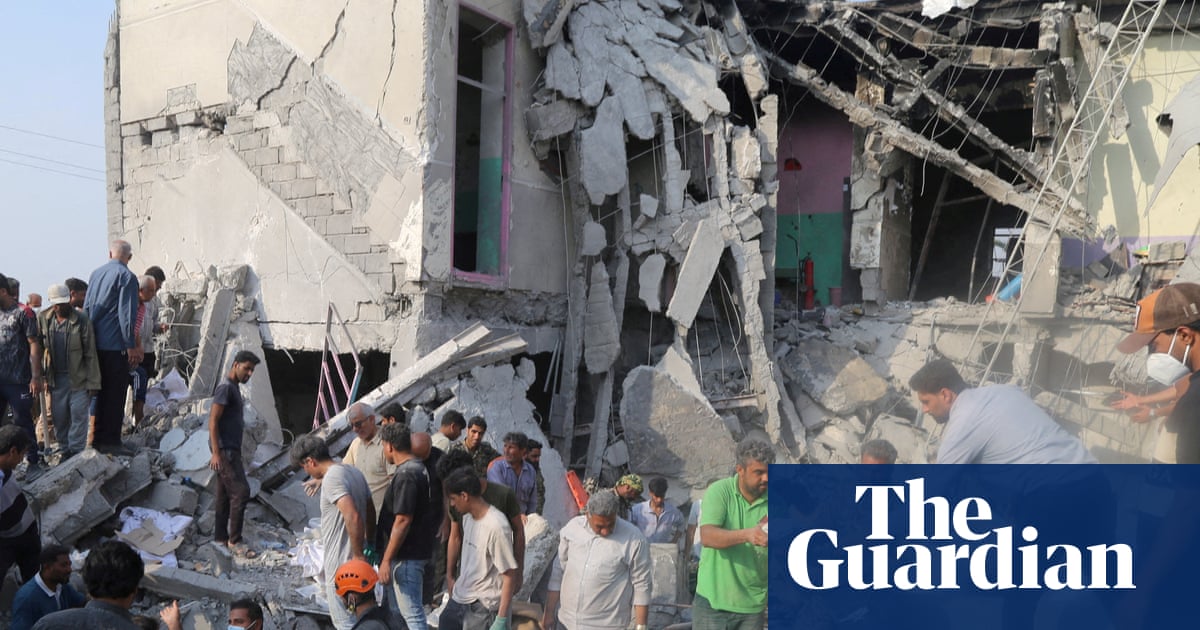
168 people, mostly children, were killed when a US Tomahawk missile struck the Minab naval base and adjacent Shajareh Tayyebeh primary school on 28 February, according to geolocated video, satellite imagery and verified footage. The evidence indicates the munition was a US Tomahawk, contradicting the US president's claim that Iran was responsible; US military says it is investigating and UNESCO/Human Rights Watch are calling for war-crime probes. This materially raises regional escalation risk and is likely to drive short-term risk-off flows (oil upside and safe-haven demand) until the incident and retaliatory risks are clarified.
This incident tightens the short-term geopolitical premium: if strikes or reprisals continue, expect a discrete shock to energy and shipping risk premia over days-to-weeks. Based on precedents in the Red Sea, insurers and charterers will repriced route risk quickly — anticipate freight and security surcharges that can lift delivered oil and LNG costs by enough to move Brent 3–8% within a 1–3 week window if chokepoints are threatened.
Defense demand dynamics diverge by mechanism: prime contractors that supply cruise missiles, guidance, and ISR (e.g., Tomahawk ecosystem suppliers) stand to see order acceleration and aftermarket parts/munitions demand over 1–12 months, while short-term political and legal scrutiny could delay some contracts. Expect electoral and congressional noise to create volatility around award timing even as topline order flow ticks higher — tradeable windows will be driven by procurement announcements, not headlines.
Legal/litigation and reputational tail risks elevate counterparty and sovereign-risk premia for firms with regional exposure (shipping operators, insurers, port operators) over months-to-years; potential investigations or rulings could materially increase claims reserves and force rerouting costs. Credit spreads for regional sovereigns/corporates and specialty marine insurers are the most levered to this uncertainty and will reprice before corporate earnings reflect the impact.
Consensus is likely to overshoot the immediate fear trade (oil spike, defense rally) without fully pricing mean-reversion if escalation abates; conversely, it may underprice protracted legal/insurance liabilities that unfold over quarters. A balanced approach — tactical, time-boxed convex exposures to defense and energy plus insurance against a protracted legal/regulatory follow-through — is the highest-expected-return posture.
AI-powered research, real-time alerts, and portfolio analytics for institutional investors.
Request DemoOverall Sentiment
strongly negative
Sentiment Score
-0.80
