
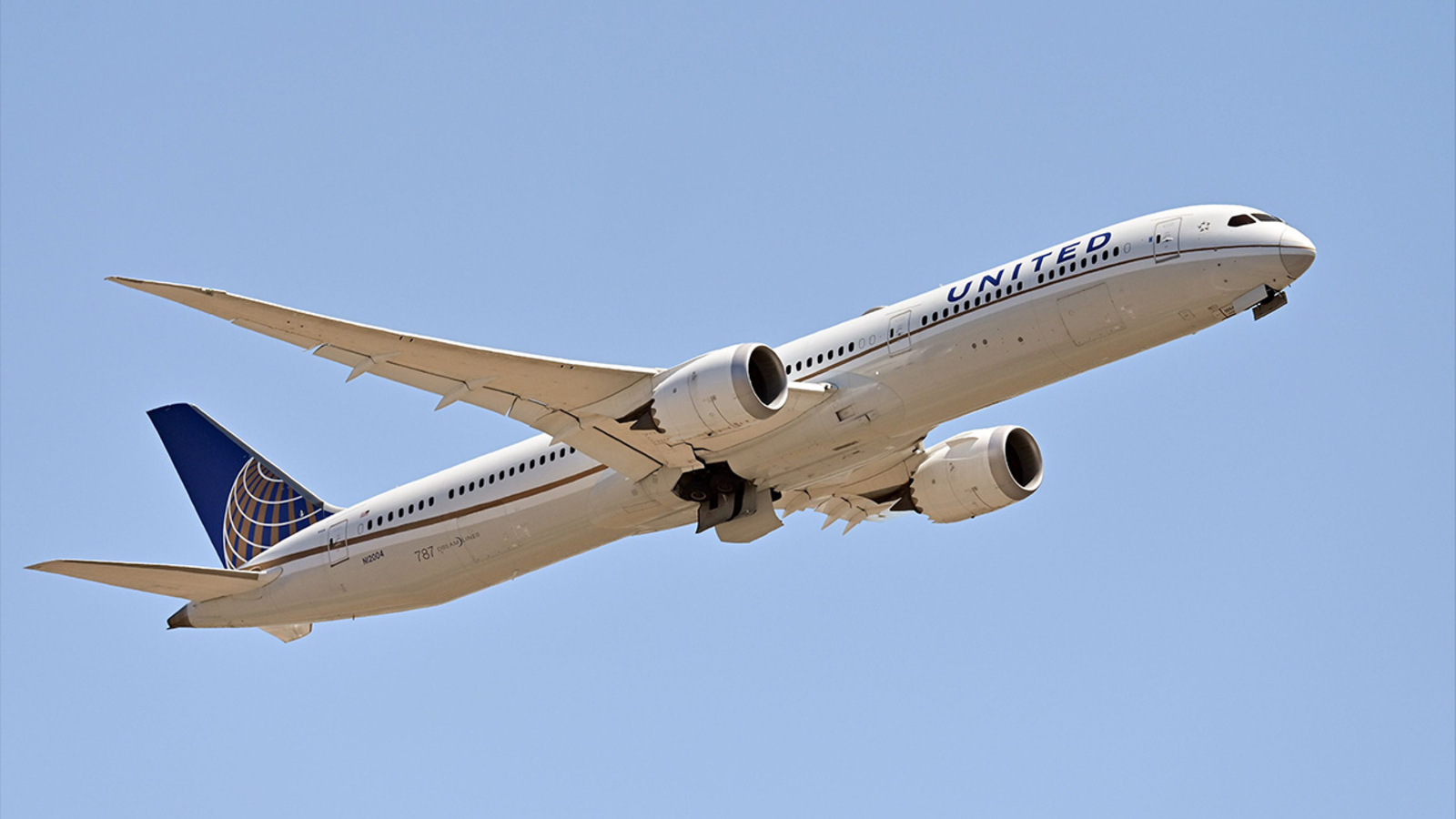
United Airlines flight 2092 was diverted from Chicago O'Hare to Pittsburgh due to a potential security concern, and passengers evacuated via slides. There were 159 passengers and 6 crew members on board, with no injuries reported. The incident is operationally negative for the airline but appears limited in market impact absent further details.
This is not a first-order earnings event for UAL so much as a reputational and regulatory latency risk. The market usually shrugs off isolated aviation incidents in the first 24-48 hours, but the important second-order effect is that security-related diversions can tighten the probability distribution around future operating disruptions: higher scrutiny at hubs, more conservative dispatch decisions, and incremental schedule padding, all of which raise unit costs at the margin.
The immediate loser is UAL, but the bigger pressure point is on the carrier group’s implied safety premium. If this becomes a pattern rather than a one-off, investors will likely rotate away from the least defensible network carriers first and into names with cleaner operational narratives, because the headline risk is asymmetric even when direct financial damage is trivial. On the supply-chain side, this type of event can also ripple into airport services, TSA/contract security vendors, and insurers if it triggers even modest tightening in screening or coverage assumptions.
Time horizon matters: over days, the stock impact should fade unless there is follow-on news; over months, repeated incidents would matter through higher disruption reserves, customer booking elasticity, and weaker corporate travel confidence. The key reversal catalyst would be rapid clarity that this was an isolated false alarm; absent that, the risk is not the incident itself but the accumulation of small trust fractures that can show up in booking curves and yield pressure later in the quarter.
The contrarian view is that the move is probably overdone if traders are extrapolating a single diversion into a structural safety issue. UAL can absorb one operational shock without meaningful EPS impact, and aviation headlines often create better entry points than they do lasting drawdowns. The cleaner trade is to express caution only if this adds to a cluster of incidents, because one event is noise; two or three inside a short window start to change how corporates and regulators price the network.
AI-powered research, real-time alerts, and portfolio analytics for institutional investors.
Request TrialOverall Sentiment
mildly negative
Sentiment Score
-0.15
Ticker Sentiment
