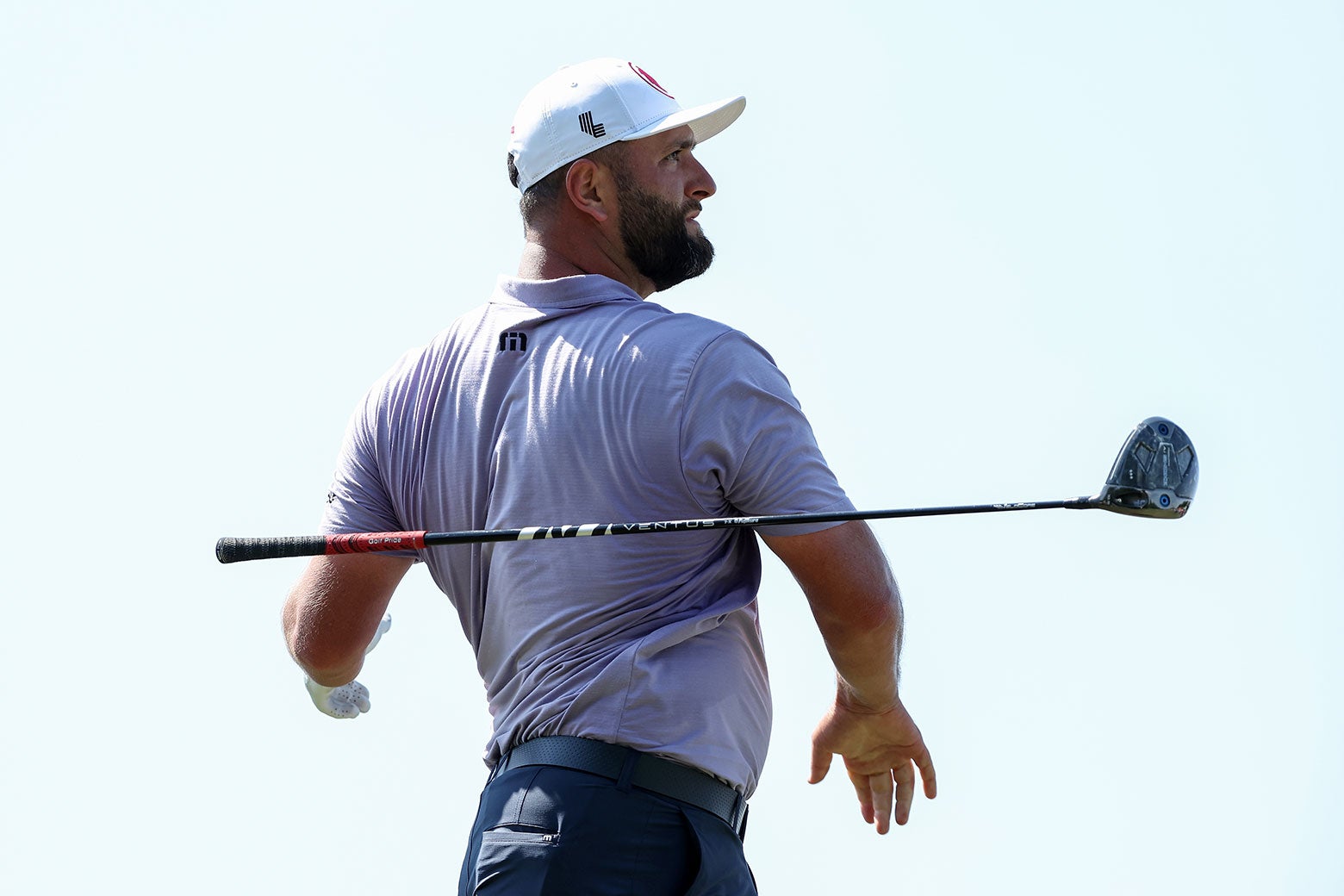
Saudi Arabia’s Public Investment Fund is pulling funding from LIV Golf at the end of this season, after the league had already bled billions since its 2021 launch and canceled an upcoming New Orleans event. The piece argues LIV failed to grow golf, failed commercially, and will likely leave PGA Tour players with more leverage and more money while undermining overall fan engagement. Market impact is mostly limited to golf and sports-media stakeholders, but the shutdown risk and restructuring angle are meaningful for the sport.
The market implication is not “golf is dead,” but that a politically sponsored capital misallocation is being unwound. The immediate beneficiaries are the incumbent PGA ecosystem, media partners, and premium course owners that can now reprice scarcity: if elite fields reconsolidate, the value of weekly content quality rises even if total fan growth stays flat. Second-order, the collapse removes a subsidy that had artificially inflated player compensation across the top end of the labor stack; that should cool wage inflation for the rest of the sport over 12-24 months.
The bigger read-through is to sovereign wealth fund discipline. When a state-backed sponsor exits after a multi-year burn, it signals a lower tolerance for prestige projects with weak narrative-to-cash conversion. That matters for other “sportswashing” adjacent assets and for any private-market sponsor relying on strategic, not financial, return hurdles. Expect a near-term repricing of event-level hospitality, premium travel, and adjacent luxury spending tied to tentpole tournaments, as the marginal dollar of promotional outlay becomes harder to justify.
From a competitive standpoint, the damage is asymmetric. Established tours and media rights holders gain leverage because fragmentation reduced product quality without creating a durable alternative brand. The losers are the players who optimized for cash extraction over legacy utility; their transferability into other formats is limited, so the contract unwind is not frictionless. Over the next few months, the main catalyst is where the displaced talent lands and whether the PGA Tour chooses to reintegrate selectively or keep the market bifurcated enough to preserve pricing power.
The contrarian view is that the cleanup may be mildly bullish for golf’s investability. Scarcity of elite matchups can improve average viewer value if the product is re-concentrated, and the sport’s monetization problem has always been distribution, not demand. If the post-collapse structure yields fewer but better events, the long-run earnings power of rights holders and top venues could improve even as headline participation metrics remain weak.
AI-powered research, real-time alerts, and portfolio analytics for institutional investors.
Request DemoOverall Sentiment
strongly negative
Sentiment Score
-0.78
